Top Landscaping Services in Vernon, OH, 45107 | Compare & Call
There are 123 landscaping companies server in Vernon OH
H&S Lawn Services is a trusted local lawn care provider serving Cortland, OH, and the surrounding communities. We specialize in comprehensive lawn maintenance, including mulching, weed control, yard c...
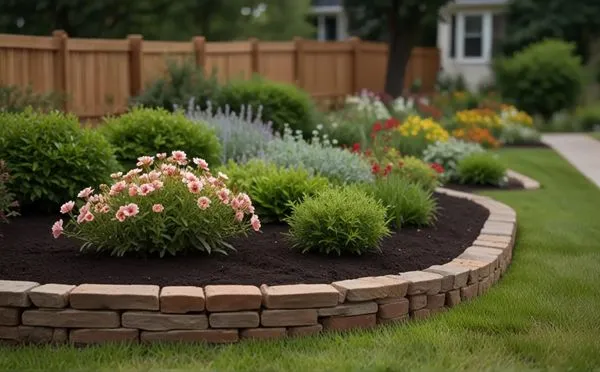
Raber Landscaping is a family-owned business dedicated to transforming outdoor spaces in Dover, Ohio. We combine expert design and personalized service with a focus on sustainable practices to create ...
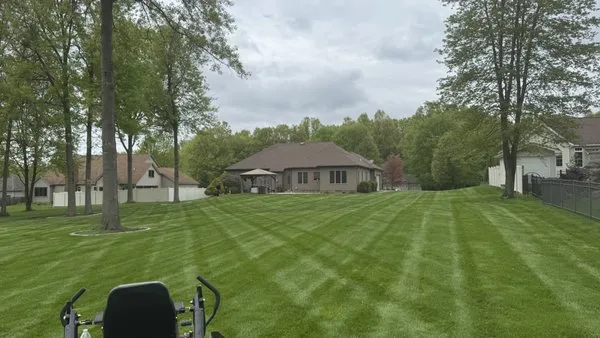
Lucky Leaf Landscaping is a trusted local landscaping company serving Mineral City, OH, and the surrounding areas. We specialize in comprehensive landscape design, maintenance, and building design to ...
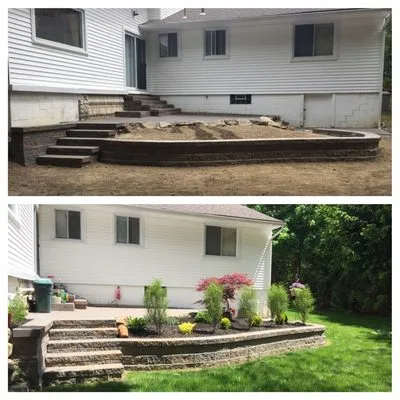
Stanley Lawn and Landscape in Boardman, OH, is a locally owned and operated business dedicated to enhancing and maintaining residential outdoor spaces. We provide a comprehensive range of services tai...

Helping Hands Property Maintenance is a family-owned company in Ashtabula, OH, founded to provide reliable and affordable property care for both residential and commercial clients. We specialize in la...
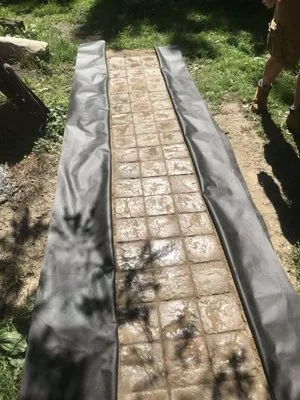
Wyatt Landscaping, founded and operated by Chris Wyatt in Madison, OH, brings a blend of formal education and hands-on experience to every project. Chris began his landscaping journey at age 15, earni...
Flanders & Sons is a trusted, family-owned lawn care and snow removal service proudly serving Ashtabula and the surrounding communities. We understand the unique challenges of maintaining a property i...
Brobst Landscaping is a trusted, locally-owned landscaping company serving Ashtabula, OH, and surrounding areas. With deep roots in the community, we understand the unique challenges homeowners face i...
Justin's Mowing and More is a trusted, locally-owned lawn care provider serving Conneaut, Ohio, and the surrounding communities. Specializing in comprehensive lawn maintenance, Justin and his team und...
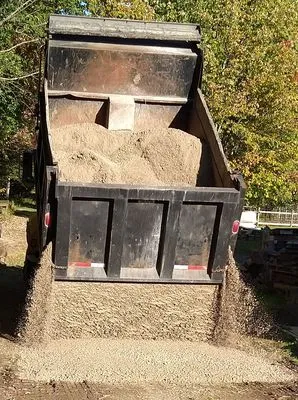
Bull Moose Aggregates And Trucking is a locally owned and operated business serving Rome, OH, and surrounding Ashtabula, Trumbull, Lake, and Geauga counties since 2020. We specialize in providing esse...
Estimated Landscaping Service Costs in Vernon, OH
FAQs
I want a lower-maintenance, quieter yard. What should I consider?
Transitioning high-input turf areas to a planting of Ohio native species like Purple Coneflower, Butterfly Milkweed, and Little Bluestem is a forward-looking strategy. These plants require no fertilization, minimal water once established, and provide critical habitat. This shift reduces the need for frequent mowing and gas-powered blowers, aligning with evolving noise ordinances and creating a resilient, biodiverse landscape.
Are permeable clay pavers a better choice than wood for a new patio?
For longevity and ecological function in Vernon, clay pavers are superior. Unlike wood, which decays and requires replacement, clay pavers offer a permanent, stable surface with a 50+ year lifespan. Their permeability manages runoff, and their non-combustible nature contributes to defensible space, an asset even in our Low Fire Wise rating area. They provide a classic aesthetic without the maintenance burden of composite or natural wood.
How quickly can you respond for an emergency storm cleanup to meet HOA compliance deadlines?
For urgent storm response in Vernon Center, we dispatch crews from our staging area near Vernon Public Square. Using OH-7, we maintain a peak response window of 25-35 minutes, factoring in typical traffic. Our electric-powered chippers and blowers operate quietly within the 7:00 AM to 9:00 PM noise ordinance, allowing for immediate debris processing and site restoration upon arrival.
What invasive species should I watch for, and how do I handle them safely?
Be vigilant for Japanese Knotweed and Lesser Celandine, which thrive in moist soils and can dominate Vernon yards. Manual removal or targeted, EPA-registered herbicide applications during the plant's active growth phase are most effective. All treatments must comply with Ohio's Phosphorus Application Restrictions, meaning we use zero-phosphorus, slow-release fertilizers and avoid any application near waterways or during prohibited blackout dates.
Why is proper licensing so important for grading and drainage work on my quarter-acre lot?
Significant grading alters water flow across property lines and can impact municipal systems, which is why the Trumbull County Planning Commission often requires permits. A professional licensed through the Ohio Landscape Industry Association carries the required liability insurance and understands state Best Management Practices for erosion control. This ensures the work is performed to code, protecting you from future liability and neighbor disputes.
Should I be worried about watering my Kentucky Bluegrass lawn with potential future restrictions?
Not with a properly programmed Wi-Fi ET-based system. These controllers use local weather station data to apply only the water lost to evapotranspiration, eliminating overwatering. This precision maintains Tall Fescue and Kentucky Bluegrass health while conserving significant water, keeping you compliant even if Vernon moves to Stage 1 restrictions. It's the most effective tool for responsible turf management in Zone 6a.
My yard stays soggy for days after a rain. What's the best long-term solution?
This is a classic symptom of our region's seasonal high water table interacting with poorly infiltrating silty clay loam. Beyond regrading, we specify permeable clay pavers for any new patios or walkways. This material allows stormwater to percolate directly into the subsoil, reducing runoff volume and often meeting Trumbull County Planning Commission's updated standards for on-site water management without a complex drainage system.
My Vernon Center yard has such heavy, sticky soil. Is this normal for our neighborhood?
Yes, that is characteristic of the silty clay loam common throughout Vernon, especially on properties from the 1958 development era. This soil type has a dense structure that developed over nearly 70 years of standard lawn management. It often leads to poor infiltration and seasonal compaction. Core aeration in the fall and incorporating 2-3 inches of composted organic matter are critical practices to improve soil percolation and root zone health.
