Top Landscaping Services in Turtlecreek, OH, 45005 | Compare & Call
There are 202 landscaping companies server in Turtlecreek OH

Henderson Turf Farms is a family-owned sod farm established in 1960, located in Springboro, Ohio, and serving residential and commercial clients across Ohio, Indiana, and Kentucky. With over 400 acres...
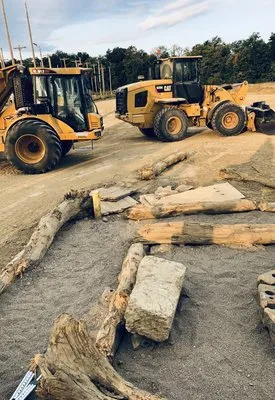
Robinson Site Development is your Lebanon-based partner for transforming land. We specialize in turning overgrown forests, uneven hills, or unused spaces into functional, beautiful areas for homes and...
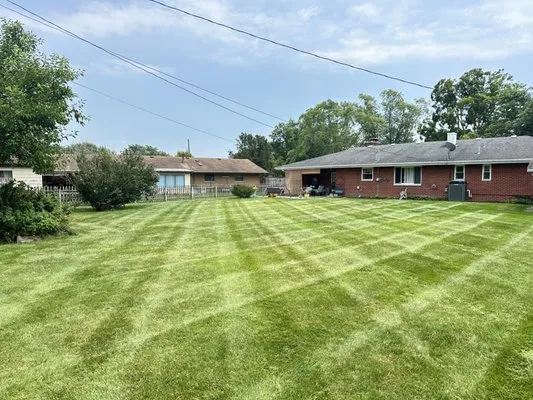
Zimmerman Lawn & Land Care
Zimmerman Lawn & Land Care is your trusted, full-service outdoor partner in Germantown, OH. We specialize in year-round care, from meticulous lawn maintenance and strategic tree planting to reliable s...
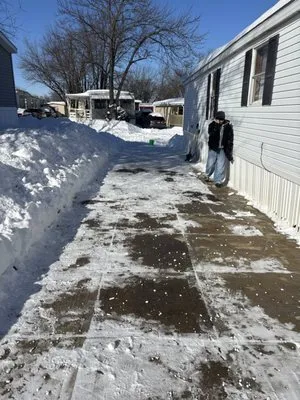
Trueroots Landscaping & Cuts is a locally owned and operated landscaping service in Hamilton, Ohio, run by two dedicated high school students. We are committed to providing reliable, honest service fo...
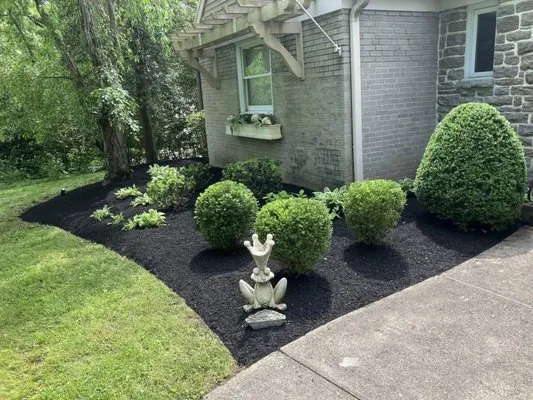
Founded by Vicente Martin, M&R Landscaping, LLC brings a genuine love for the outdoors and nearly a decade of hands-on experience to every project in West Chester Township. What began as a personal pa...
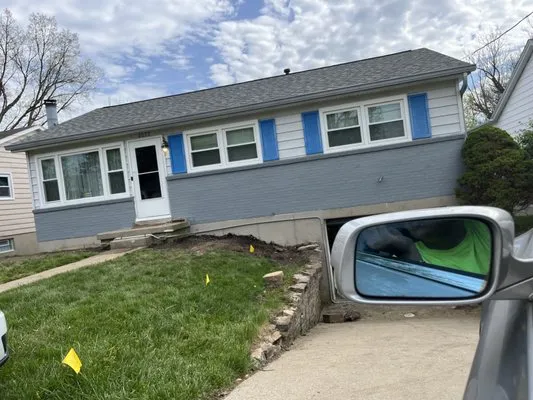
PHC Tree Services is a locally owned and operated company founded in Liberty Township with a simple mission: to help West Chester Township residents achieve their ideal outdoor spaces while ensuring s...

With over 16 years of hands-on experience in every facet of landscape maintenance and lawn care, our business is deeply rooted in West Chester. As a local who grew up here and attended Lakota East Hig...
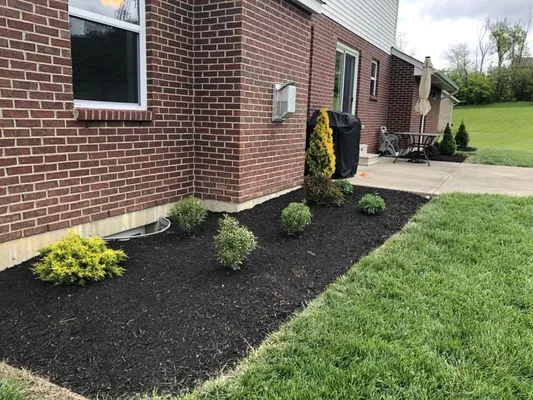
Simplicity Lawn and Landscaping is a full-service company based in Middletown, OH, dedicated to enhancing and maintaining outdoor spaces for both residential and commercial clients. With over five yea...
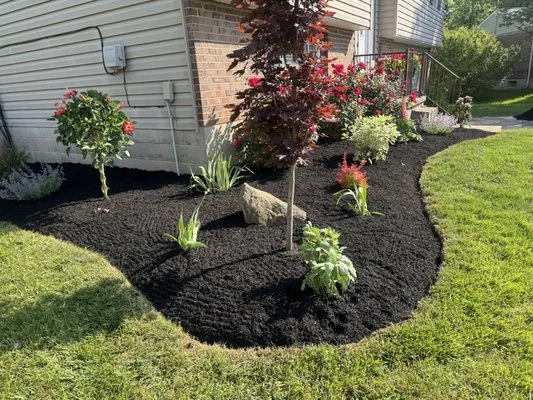
Liberty Heritage Nursery Farm
Liberty Heritage Nursery Farm in Liberty Township is a family-owned nursery born from a landscaper's need for superior plants. Founded in 2018 by Ryan Thompson after purchasing the 87-acre former Gree...
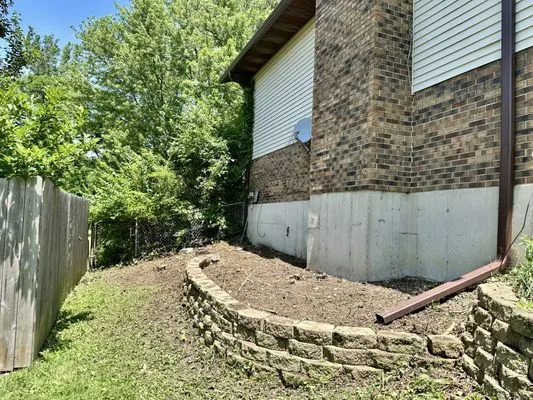
Linir Landscaping is a family-owned lawn care provider in Hamilton, OH, dedicated to keeping your yard healthy and well-maintained. We focus on consistent, professional mowing services that enhance yo...
Estimated Landscaping Service Costs in Turtlecreek, OH
Common Questions
Our yard holds water for days after a storm. What's the underlying issue?
The seasonal high water table and poor infiltration are direct results of the clay subsoil inherent to the Miamian-Celina silt loam profile. This creates a perched water condition where surface water cannot percolate downward. Correcting this requires a dual approach: installing subsurface drainage like French drains to intercept groundwater and replacing impervious surfaces with permeable clay pavers or crushed limestone. These materials allow stormwater to infiltrate on-site, which is now a key consideration for meeting Warren County Building & Zoning Department's updated runoff management standards.
We have an HOA violation notice for overgrowth and need a rapid cleanup. How fast can you respond?
For an emergency compliance cleanup, our crew can typically mobilize from Turtlecreek Township Park and route via I-71 to reach homes in Turtlecreek Township Estates within the 25-35 minute window, even during peak traffic. We prioritize these calls to meet standard daytime noise ordinance windows, scheduling work between 7:00 AM and 9:00 PM. Our electric-powered maintenance fleet allows for immediate deployment without the noise and emissions concerns of traditional equipment, ensuring we can address the violation swiftly and discreetly.
Are permeable clay pavers a better long-term choice than wood for a new patio?
For longevity and performance in Turtlecreek's climate, permeable clay pavers are superior. Unlike wood, which decays and requires constant treatment, clay pavers are fired at high temperatures for durability and will not warp, rot, or attract insects. Their permeability manages stormwater runoff directly at the source, reducing load on the site's drainage system. While the residential Fire Wise rating here is standard, the non-combustible nature of clay pavers also contributes inherently to defensible space, an increasingly valued feature as climate patterns shift.
Is it wasteful to run sprinklers on our Kentucky Bluegrass, given the city's water status?
Under Stage 0 restrictions, there are no municipal limits, but efficient water use is still critical for soil health and cost control. Modern Wi-Fi ET-based weather sensing controllers are the solution. They automatically adjust runtime based on real-time evapotranspiration data, local rainfall, and soil type, applying only the water the specific turfgrass blend of Kentucky Bluegrass and Tall Fescue needs. This technology prevents overwatering, which exacerbates the poor infiltration of our clay subsoil, and keeps the system within any future water restriction thresholds that may be enacted.
We want to reduce mowing and chemical use. What are our options?
Transitioning high-input turf areas to a native plant community is the most effective long-term strategy. Species like Purple Coneflower, Butterfly Milkweed, and Little Bluestem are adapted to Zone 6b conditions and require no fertilization, minimal watering, and only a single annual cut. This shift dramatically reduces the need for weekly mowing and gas-powered equipment, aligning with evolving noise ordinances targeting gas leaf blowers. It also creates a higher-biodiversity landscape that supports local pollinators and requires no phosphorus applications, adhering strictly to state guidelines near waterways.
What permits and qualifications should we verify for a major grading and landscaping project?
Any significant grading or earth-moving on a 0.55-acre lot likely requires a permit from the Warren County Building & Zoning Department to ensure compliance with erosion control and drainage ordinances. Furthermore, the design and oversight of such work should be performed by, or under the direction of, a professional licensed by the Ohio Department of Agriculture Landscape Architect Board. This licensing ensures the individual has the required expertise in horticulture, soil science, and hydrology to execute plans that will be stable, functional, and legally compliant for decades.
Our subdivision's lawns seem to struggle more each year. What's happening to our soil?
Turtlecreek Township Estates was developed in the early 1980s, giving the soil on your 0.55-acre lot over 40 years to settle and compact. The predominant Miamian-Celina silt loam, with a near-neutral pH of 6.8-7.2, naturally has a dense, clay-rich subsoil that restricts root growth and water percolation. Decades of standard maintenance without deep-tine aeration or significant organic matter inputs have degraded soil structure, leading to poor infiltration and thin turf. A soil health program focused on core aeration and top-dressing with compost is now essential to rebuild porosity and microbial activity.
We're seeing a fast-spreading vine. How do we handle invasive species safely?
Rapidly colonizing vines like wintercreeper or Japanese honeysuckle are a significant alert in our area. Eradication requires a targeted, integrated approach. Manual removal of root systems is followed by careful spot-treatment with appropriate herbicides, always applied by a licensed professional to prevent drift and runoff. Timing is critical to avoid the local fertilizer ordinance's blackout dates near waterways, which typically restrict applications during peak spring runoff periods. A proper treatment plan prioritizes soil health and prevents damage to desirable native plants like Wild Bergamot and Ohio Goldenrod.
