Top Landscaping Services in Turpin Hills, OH, 45230 | Compare & Call
There are 168 landscaping companies server in Turpin Hills OH
Madison Tree Care & Landscaping
For over 75 years, Madison Tree Care & Landscaping has been the trusted, family-owned name for tree and landscape care in Milford, OH. Founded in 1946, our deep local roots mean we understand the spec...
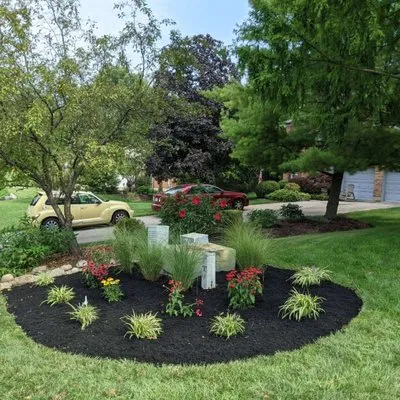
Flourish Lawn & Landscape is a family-owned and operated lawn service business proudly serving Cincinnati for over 15 years. Our longevity is built on quality service and dependability, working closel...

Wheeler Lawn Care is a trusted lawn service provider serving Bethel, OH homeowners with reliable and professional lawn care solutions. We specialize in comprehensive lawn maintenance to address common...

LTD Landscapes
LTD Landscapes is a family-owned landscaping company serving Milford, OH, with over 40 years of local experience. Specializing in custom landscape design, installation, and remodeling, they transform ...
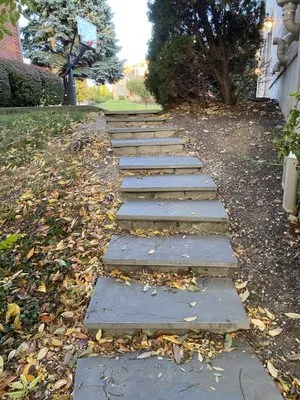
Spivey Bros. is your local partner for maintaining a healthy and attractive outdoor space in Evendale. We provide reliable lawn care, including mowing and seasonal mulching, alongside essential gutter...
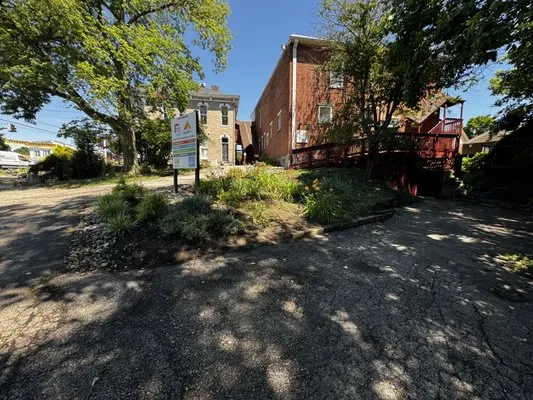
Grayscaping is a dedicated lawn care business serving Hamilton, OH. We are a small, locally-owned company that believes in taking the time to do the job right, ensuring every customer is satisfied. Ou...

Turpin Farms is a Cincinnati institution with deep roots in the community, operating as a family-owned farm since 1785. We specialize in turf type tall fescue and a new native grass blend featuring Oh...
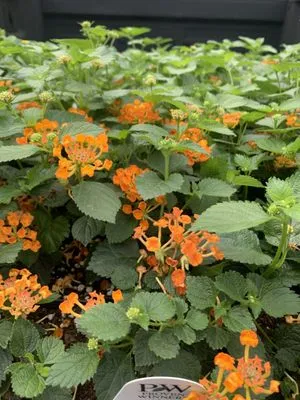
Garden Roots Consulting is a Cincinnati-based landscaping consultancy that transforms outdoor spaces with sustainable, tailored solutions. We specialize in comprehensive design and implementation, fro...
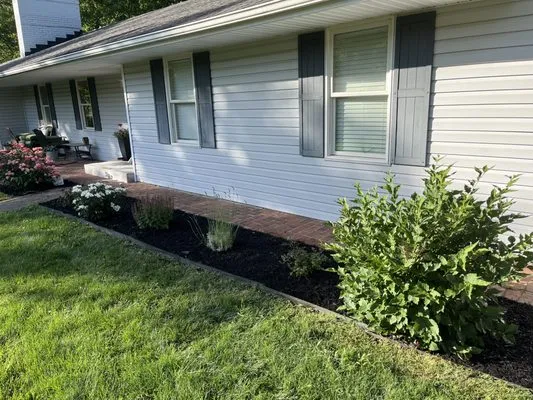
Duck’s & Bell’s is a family-owned lawn care business in Wilmington, OH, founded on a deep commitment to treating every lawn as if it were our own. Inspired by our family and a passion for small busine...

At Landscape By Sayid in Franklin, my work is built on a lifelong passion for creating beautiful, serene spaces. It all started in my childhood, meticulously building miniature towns for model trains—...
Estimated Landscaping Service Costs in Turpin Hills, OH
Q&A
How can I reduce maintenance while supporting local biodiversity in my Turpin Hills yard?
Replacing high-maintenance turf with native plantings like Purple Coneflower, Wild Bergamot, Butterfly Milkweed, and Little Bluestem creates resilient landscapes. These species require 75% less water than traditional lawns and support 3-5 times more pollinator species. Electric maintenance equipment operates quietly within noise ordinances while eliminating gas emissions. This approach anticipates 2026 biodiversity standards and reduces seasonal maintenance from weekly to quarterly.
What solutions address moderate runoff in Turpin Hills' clay-heavy soils?
Silty clay loam's low permeability (0.06-0.2 in/hr) requires integrated drainage strategies. French drains with clean gravel and perforated pipe redirect subsurface water, while dry creek beds manage surface flow. Permeable concrete pavers or natural fieldstone installations meet Anderson Township Planning & Zoning Department runoff standards by allowing 3-8 inches per hour infiltration. Grade corrections of 2% slope away from foundations prevent basement flooding common in the neighborhood.
How do concrete pavers and natural fieldstone compare to wood for durability in Turpin Hills?
Concrete pavers offer 30+ year lifespans with minimal maintenance, resisting frost heave in Zone 6b's freeze-thaw cycles. Natural fieldstone provides superior permeability (8-12 in/hr) while creating fire-wise defensible space in low-risk WUI zones. Both materials outperform wood's 10-15 year lifespan and eliminate termite/rot concerns. Their thermal mass moderates microclimates around foundations, reducing energy costs in 1970s-era Turpin Hills homes.
Why does my Turpin Hills lawn have drainage issues and compacted soil?
Turpin Hills properties average 49 years of soil development since 1977 construction, creating mature silty clay loam with pH 6.5-7.2. This soil type naturally compacts over decades, reducing permeability to 0.06-0.2 inches per hour. Core aeration every 2-3 years with organic amendments like composted leaf mold addresses compaction while maintaining soil structure. The neighborhood's topography and historical land use patterns contribute to consistent soil characteristics across lots.
What permits and licensing are required for grading work on my 0.45-acre Turpin Hills property?
Anderson Township Planning & Zoning Department requires grading permits for soil movement exceeding 50 cubic yards on 0.45-acre lots. Ohio Landscape Industry Association (OLIA) licensed professionals must execute work involving drainage alterations or slope changes exceeding 10%. These regulations prevent downstream erosion in the neighborhood's clay-heavy soils. Proper documentation ensures compliance with state sediment control standards and protects property values.
What invasive species threaten Turpin Hills landscapes, and how are they managed safely?
Japanese knotweed, garlic mustard, and Bradford pear cultivars present significant invasion risks in Zone 6b. Mechanical removal during dormancy prevents seed spread, while targeted glyphosate applications follow Ohio's phosphorus guidance for timing. Treatment schedules avoid fertilizer ordinance blackout dates typically in early spring and fall. Regular monitoring catches new infestations before they establish in the neighborhood's silty clay loam soils.
How quickly can you respond to storm damage for HOA compliance in Turpin Hills?
Emergency cleanup crews dispatch from our Anderson Township facility with 20-30 minute peak response times. The route follows Beechmont Avenue past Turpin High School to I-275, optimizing access to Turpin Hills properties. Electric maintenance fleets operate within standard 7 AM to 9 PM noise ordinances while providing immediate debris removal. This scheduling ensures compliance with neighborhood aesthetic standards following significant weather events.
How do smart irrigation systems conserve water while maintaining Kentucky Bluegrass and Tall Fescue blends?
Wi-Fi ET-based weather sensing irrigation calculates evapotranspiration rates specific to Turpin Hills' Zone 6b climate. These systems adjust watering schedules daily, applying 1-1.5 inches weekly during peak growing seasons while respecting municipal conservation standards. Soil moisture sensors prevent overwatering clay-heavy soils, reducing runoff by 30-40% compared to traditional timers. This technology maintains turf health within water allocation limits without manual intervention.
