Top Landscaping Services in Sylvania, OH, 43560 | Compare & Call
There are 156 landscaping companies server in Sylvania OH
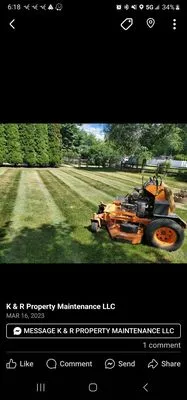
K & R Property Maintenance is a trusted, full-service property care company serving Toledo and the surrounding areas. We specialize in lawn care, tree services, and fence & gate installation and repai...
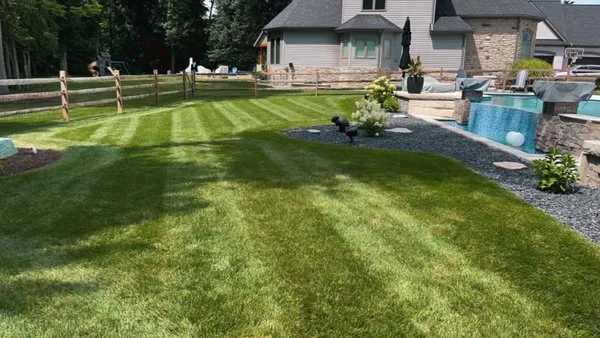
Quality Craft Contracting is a trusted, full-service provider for homeowners in Toledo, OH, expertly blending skilled interior remodeling with dependable lawn care. Our team is dedicated to delivering...

Jack's Outdoor Services is a trusted, family-operated landscaping and property maintenance company serving Sylvania, Ohio. We specialize in comprehensive solutions for local homeowners, directly tackl...
Blake Gable, owner of BGS Lawn Service in Sylvania, OH, brings a hands-on, personal approach to every project. With a genuine passion for creating healthy and well-maintained lawns, he treats each pro...
Blades At Work is your trusted, year-round outdoor service provider in Sylvania, OH. We specialize in professional snow removal, comprehensive landscaping, and thorough gutter cleaning to keep your pr...

Martin Family Lawncare is a trusted, family-owned lawn service provider serving Sylvania, OH, and the surrounding communities. We specialize in comprehensive lawn care solutions designed to keep your ...
Get Mowd is your trusted, full-service partner for property care in Sylvania, Ohio. We go beyond basic lawn care to offer a comprehensive range of landscaping, construction, junk removal, and window c...
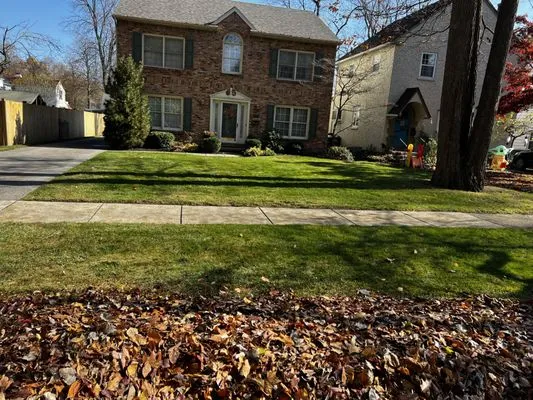
Based in Sylvania, D&T Lawn Maintenance LLC provides dependable lawn care services to Lucas County, Ohio. We focus on practical, effective solutions tailored to the local climate, helping your propert...
ARK Landscaping is a trusted lawn care provider serving Sylvania, OH homeowners. We specialize in comprehensive lawn care services designed to tackle common local landscaping challenges like persisten...
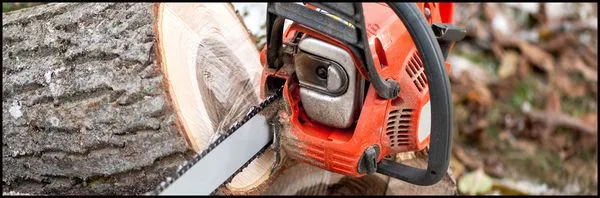
Make your Mark, LLC is a Sylvania-based landscaping and tree care company, locally owned and operated with five years of dedicated service to our community. We specialize in providing reliable, profes...
Estimated Landscaping Service Costs in Sylvania, OH
Frequently Asked Questions
How quickly can you respond to an emergency tree cleanup after a storm in Sylvania?
Our storm response team operates from Olander Park, utilizing US-23 for efficient routing throughout Sylvania. During peak conditions, we maintain a 20-30 minute arrival window for emergency situations. This includes HOA compliance issues requiring immediate attention. Our electric equipment fleet operates within the 7AM-9PM noise ordinance restrictions, ensuring rapid response without community disruption.
Are concrete pavers or wood better for longevity in Sylvania's climate?
Concrete pavers outperform wood in Sylvania's freeze-thaw cycles, typically lasting 25+ years versus wood's 10-15 year lifespan with maintenance. Crushed limestone bases provide superior drainage for the Blount-Pewamo Loam soil. While Sylvania maintains a low urban/suburban Fire Wise rating, non-combustible hardscape materials like concrete contribute to defensible space principles. Properly installed paver systems require minimal maintenance compared to wood's seasonal treatments.
What permits and licensing are required for grading work on my Sylvania property?
The Sylvania Division of Building & Zoning requires grading permits for any excavation altering more than 50 cubic yards of soil on a 0.25-acre lot. Contractors must hold Ohio Landscape Industry Association certification for erosion control and stormwater management. This licensing ensures proper silt fence installation, slope stabilization, and compliance with statewide phosphorus restrictions. Unlicensed grading risks significant fines and may void property insurance during drainage-related claims.
What invasive species should Sylvania homeowners monitor, and how are they treated safely?
Japanese knotweed and garlic mustard present significant invasive risks in Sylvania's USDA Zone 6a. Manual removal before seed set proves most effective, with careful disposal to prevent spread. When chemical intervention becomes necessary, phosphorus-free herbicides applied during dry periods comply with statewide phosphorus restrictions near water bodies. Always verify treatment timing doesn't conflict with local fertilizer ordinance blackout dates for maximum safety.
Why does my Sylvania Historic District lawn struggle with compaction and poor drainage?
Properties in the Sylvania Historic District, with average construction around 1959, have soil systems approximately 67 years old. The prevalent Blount-Pewamo Loam soil (pH 6.5-7.2) develops significant clay pan layers over decades, reducing permeability. Core aeration every 1-2 years and incorporating 0.5 inches of composted organic matter annually addresses this historical compaction. These amendments improve soil structure while maintaining the neutral pH range optimal for most turf and ornamental species.
How do smart irrigation systems work with Sylvania's voluntary water conservation guidelines?
Wi-Fi ET-based weather sensing irrigation calculates evapotranspiration rates specific to Sylvania's USDA Zone 6a climate. The system automatically adjusts runtime to deliver 1-1.5 inches weekly to Kentucky Bluegrass and Tall Fescue blends during active growth periods. This precision prevents overwatering while maintaining turf health within voluntary conservation parameters. Municipal water usage typically reduces 25-40% compared to traditional timer-based systems.
What solutions exist for poor drainage in Sylvania's clay-heavy soils?
Blount-Pewamo Loam's high clay content creates natural drainage challenges requiring engineered solutions. French drains with clean gravel and perforated pipe redirect subsurface water, while dry creek beds with crushed limestone provide surface runoff management. Permeable concrete paver installations meet Sylvania Division of Building & Zoning runoff standards by allowing 4-8 inches per hour infiltration. These systems prevent foundation issues common in 0.25-acre Sylvania lots.
Can I reduce maintenance while supporting local ecology in my Sylvania landscape?
Transitioning high-maintenance turf areas to native plantings creates ecological and practical benefits. Purple Coneflower, Swamp Milkweed, Wild Bergamot, and Little Bluestem establish deep root systems that require minimal irrigation once established. This approach reduces mowing frequency and aligns with evolving noise ordinances that may restrict gas-powered equipment. Native plantings typically support 3-4 times more pollinator species than traditional ornamentals.
