Top Landscaping Services in Swanton, OH, 43558 | Compare & Call
There are 88 landscaping companies server in Swanton OH
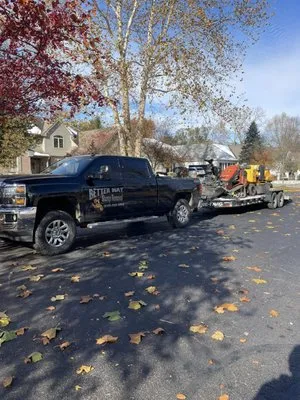
Better Way Land Management
Better Way Land Management LLC is a locally owned and operated land management company based in Swanton, Ohio, proudly serving Toledo, Swanton, Lucas County, and Fulton County. We provide reliable, af...

Loch's Lawn and Landscape is a licensed landscaping company serving Swanton, OH, with over 12 years of experience. We specialize in comprehensive lawn care and landscape services for both residential ...

Wiser Lawn is a Swanton-based landscaping company founded in 2008 by Paul and Jessi Wise. What began with Paul mowing a neighbor's lawn at age 10 has grown into a full-service operation serving reside...
A Green Neighborhood is a trusted lawn care provider serving Swanton, OH, dedicated to helping homeowners achieve lush, healthy lawns. We specialize in addressing common local landscaping challenges l...
Team Nelson Services
Team Nelson Services is a trusted, locally-owned contractor in Swanton, Ohio, providing comprehensive property solutions. We specialize in excavation, tree care, and landscape maintenance to tackle co...
Kikos Greenhouse and Landscaping Services is a trusted, locally-owned business serving Swanton, Ohio, and the surrounding areas. We specialize in diagnosing and resolving the common landscaping challe...
Acme NLS is a trusted, full-service landscaping and irrigation company serving Swanton, Ohio, and the surrounding area. We specialize in creating and maintaining healthy, vibrant outdoor spaces that t...
C & K Landscaping is a trusted, locally-owned landscaping company serving Swanton, OH, and the surrounding areas. We specialize in addressing common residential landscaping challenges that homeowners ...
Estimated Landscaping Service Costs in Swanton, OH
Question Answers
My yard stays soggy for days after rain. What's the long-term solution?
This is a common issue with Blount-Pewamo soils in Swanton, which have poor percolation and a seasonally high water table. Corrective grading paired with subsurface French drains can redirect water. For new patios or walkways, specifying permeable concrete pavers or open-graded crushed limestone increases surface infiltration. These solutions help manage runoff on-site, which may be reviewed by the Village of Swanton Planning and Zoning Department for compliance with local stormwater standards.
Is it wasteful to water my Kentucky Bluegrass lawn during Ohio's dry spells?
Modern Wi-Fi Weather-Based Irrigation Controllers (WBIC) use real-time evapotranspiration (ET) data to apply only the water your turf blend has lost. This technology adjusts for rain, humidity, and temperature, preventing overwatering even under voluntary conservation guidelines. Properly programmed, a WBIC system maintains turf health while conserving municipal water resources, aligning with Swanton's stewardship goals without sacrificing lawn viability.
What are the most aggressive weeds here, and how do I treat them without harming my lawn?
In Swanton's Zone 6a, invasive species like garlic mustard and Japanese knotweed pose significant threats. Treatment requires targeted, non-broadcast methods such as careful spot-spraying or manual removal to protect desirable plants. All applications must adhere to Ohio's fertilizer ordinance, which prohibits application on frozen or saturated ground. A professional soil test first ensures any supplemental feeding addresses actual deficiencies, not weed competition.
I'm tired of weekly mowing and gas-powered noise. What's a quieter, lower-maintenance alternative?
Replacing high-input turf areas with a native plant community featuring Purple Coneflower, Butterfly Milkweed, Little Bluestem, and Wild Bergamot drastically reduces mowing and fossil-fuel use. This established planting requires no irrigation, minimal seasonal care, and supports local pollinators. Transitioning to these landscapes pre-adapts your property to future noise ordinance trends targeting gas-powered equipment, while providing year-round ecological and visual interest.
Do I need a permit to regrade my backyard, and who is legally allowed to do the work?
Significant regrading on a 0.25-acre lot that alters water flow likely requires a review by the Village of Swanton Planning and Zoning Department. The design and execution of such work must be overseen by a licensed professional. In Ohio, this falls under the Landscape Architect Board, a division of the Department of Agriculture, which licenses individuals to design and supervise land shaping that protects property and public infrastructure.
Are concrete pavers or pressure-treated wood better for a long-lasting patio?
Concrete pavers offer superior longevity and stability in Ohio's freeze-thaw cycles compared to wood, which warps and decays. Pavers also provide a non-combustible surface, contributing to defensible space. While Swanton has a low Fire Wise rating, this material choice is a permanent, low-maintenance asset. Crushed limestone is another permeable option for pathways, complementing paver installations for a cohesive and durable hardscape.
If a storm damages my property, how quickly can a crew arrive for emergency cleanup?
Our dispatch for Swanton emergencies routes crews from our staging area near Memorial Park directly onto US-20A. This allows a peak response time of 20-30 minutes to most Village Center addresses. The initial priority is making the site safe by clearing downed limbs from structures and driveways. We coordinate this rapid response to mitigate further property damage and comply with any immediate safety or access concerns.
Why does my Swanton Village Center lawn look thin and compacted compared to newer neighborhoods?
Homes in Swanton Village Center, averaging 65 years old since their 1961 construction, have mature Blount-Pewamo Loam soil. This extended timeline has led to significant compaction and reduced organic matter, limiting air and water movement to roots. Core aeration and top-dressing with compost are critical to reintroduce porosity and microbial life. This process directly addresses the soil's natural pH of 6.5-7.2, which is favorable but currently inaccessible to grass roots due to density.
