Top Landscaping Services in Sunbury, OH, 43021 | Compare & Call
There are 188 landscaping companies server in Sunbury OH
Chase Brick Paving
For nearly 20 years, Chase Brick Paving has been a trusted name in Sunbury for transforming outdoor spaces with durable concrete and brick installations. We specialize in guiding homeowners through ev...

JA McCaulla Grading and Excavation Services
JA McCaulla Grading and Excavation Services, LLC has been transforming properties in Galena, OH, and the surrounding area for over 25 years. We specialize in custom excavation and landscaping, from in...
Shearer Patio & Landscaping
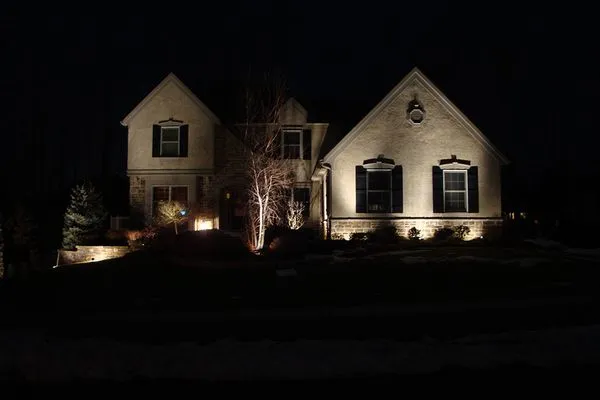
Shearer Patio & Landscaping has been serving Lewis Center and Delaware County since 1996, founded by Craig Shearer who brings over three decades of landscaping expertise. With an Agronomy background f...
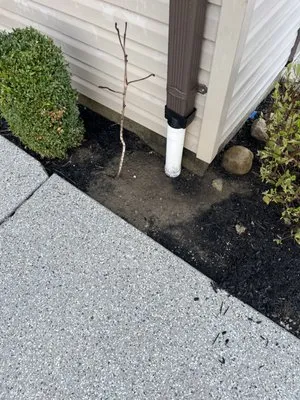
Bowsher Bros is a trusted, family-owned business serving Delaware, OH, with comprehensive lawn care, masonry, and snow removal services. We specialize in addressing common local landscaping challenges...
Kash Cuts Landscaping is a trusted local landscaping company serving Galena, OH, and surrounding areas. We specialize in addressing common residential landscaping challenges faced by homeowners in our...
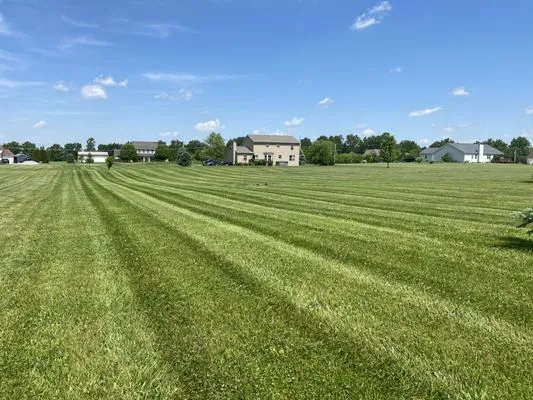
Nine Lines Lawn Care is a local, family-owned lawn service proudly serving Johnstown, OH, and the greater Licking County area. We specialize in providing consistent, reliable care that keeps your prop...

TruBlue in Dublin, OH began when its founder managed maintenance for foreclosed homes, ensuring they were sale-ready. Recognizing a common challenge for homeowners and property managers—the hassle of ...
Demarco's Lawn Care is your trusted Westerville partner for year-round outdoor care. We specialize in reliable snow removal to keep your driveways and walkways safe during Ohio winters. Our core exper...
Estimated Landscaping Service Costs in Sunbury, OH
Questions and Answers
We want to reduce mowing and gas equipment use. What are the best low-maintenance planting options?
Transitioning turf areas to a native plant community is a forward-looking strategy. Species like Purple Coneflower, Butterfly Milkweed, Wild Bergamot, and Little Bluestem are adapted to Zone 6a conditions and require no weekly mowing. This xeriscaping approach significantly reduces water, fertilizer, and fuel consumption. It also future-proofs the landscape against potential tightening of noise ordinances related to gas-powered blowers and mowers.
We have persistent puddling in our yard. What's a long-term solution for this poor drainage?
Persistent puddling indicates the poor sub-surface percolation characteristic of high-clay Blount-Pewamo soils. Installing a French drain system or dry creek bed can intercept and redirect subsurface water. For new hardscape, specifying permeable concrete pavers or open-graded crushed limestone bases increases infiltration, helping manage runoff. These solutions often align with Sunbury Zoning & Planning Department standards for stormwater management on residential lots.
Our lawn in Sunbury Meadows has been struggling since we moved in, and the soil feels dense. What's the underlying issue?
The Blount-Pewamo Silt Loam common to Sunbury Meadows is a high-clay soil prone to compaction. For homes built around 2002, the soil profile is now approximately 24 years old, meaning the original construction-grade subsoil lacks mature organic structure. This compaction severely restricts root penetration and water percolation. Annual core aeration and top-dressing with compost are critical to build soil organic matter and improve permeability for healthy turf.
Do we need a permit to regrade our backyard, and what type of professional should we hire?
Significant regrading on a 0.25-acre lot typically requires a permit from the Sunbury Zoning & Planning Department to ensure compliance with drainage and erosion control ordinances. For design and supervision, hire a professional licensed by the Ohio Landscape Architects Board. This licensing ensures the individual has the required expertise in grading, drainage, and plant systems, protecting you from costly errors related to improper water management on your property.
What invasive species should we watch for, and how do we control them responsibly?
Common invasive alerts in this region include Japanese Knotweed, Lesser Celandine, and Garlic Mustard. Manual removal is preferred for small infestations. For chemical control, always use Ohio Department of Agriculture-labeled herbicides and adhere strictly to the state's fertilizer ordinance, which prohibits phosphorus application on established turf unless a soil test confirms a deficiency. Treatments should be timed to avoid peak pollinator activity and follow label instructions precisely.
We need emergency branch cleanup after a storm to meet HOA rules. What's the fastest service response?
For emergency compliance work, crews dispatch from the Sunbury Town Square area. The primary route uses I-71 for access to Sunbury Meadows, with a standard peak response window of 25-35 minutes. Services prioritize safety and debris removal to restore property access and meet covenant standards. All work adheres to the local noise ordinance, operating within the permitted 7:00 AM to 9:00 PM window.
Is a paver patio or a wood deck better for longevity and safety in our area?
Concrete pavers offer superior longevity and require less maintenance than wood, which is susceptible to rot and insect damage. From a safety and ecological perspective, paver patios contribute to a non-combustible defensible space, which is a consideration even in Sunbury's Moderate Fire Wise rating zone. Crushed limestone pathways also provide a permeable, low-fire-risk surface. Both materials integrate well and support a landscape's overall resilience.
How can we keep our Kentucky Bluegrass and Tall Fescue blend green during summer without wasting water?
Wi-Fi ET-based weather-sensing irrigation systems are the standard for water conservation in Sunbury. These controllers automatically adjust runtime based on real-time evapotranspiration data, preventing overwatering. This technology is essential under voluntary conservation status, as it applies water only when needed, promoting deep root growth. Properly calibrated, such a system maintains turf health while staying well within municipal water use expectations.
