Top Landscaping Services in Stokes, OH, 43324 | Compare & Call
There are 96 landscaping companies server in Stokes OH

Founded by lifelong West Liberty residents, Outlook Landscape and Lawncare is a family-owned business built on local roots and over fifteen years of combined hands-on experience. We started with humbl...
Caught In A Pinch is a Sidney, OH-based lawn care and snow removal service built on a simple, neighborly promise: to help. Owner-driven and customer-focused, the business stems from a lifetime of hand...
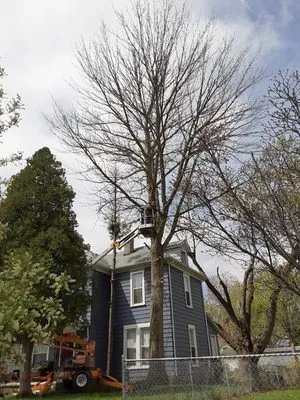
Beverlys Tree & Lawn Care is a trusted, locally-owned provider serving Sidney, OH, and the surrounding Shelby County area. We specialize in comprehensive tree and lawn care solutions designed to addre...

LJD Lawn Service & Power Washing
LJD Lawn Service & Power Washing is a locally owned property maintenance company in Anna, OH, dedicated to enhancing the curb appeal and enjoyment of your outdoor space. Founded by Luke Regula, a coll...
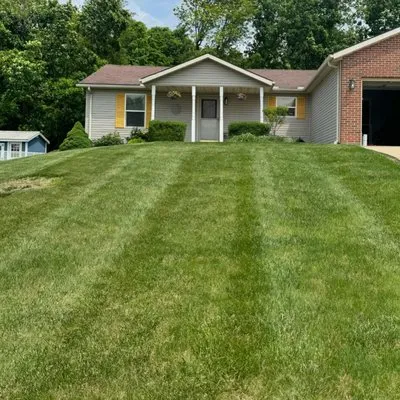
WF Lawncare is your trusted local lawn and snow service provider in Urbana, OH. We understand that many homes in our community face common landscaping challenges like poor lawn grading and sprinkler l...
At Lyons Professional Lawn Care in Bellefontaine, OH, we provide reliable, worry-free lawn maintenance tailored to our local climate. Our approach is built on timing and convenience. Your dedicated la...

Mad Dogs Mowing provides dependable lawn care services for Bellefontaine homeowners. We focus on keeping your lawn healthy and well-maintained with routine mowing, precise trimming around edges, and t...
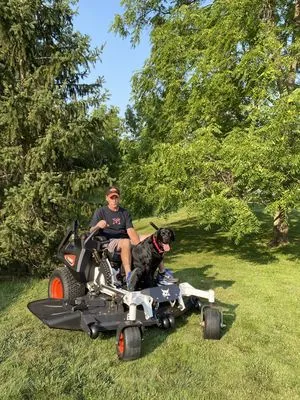
Rubles Lawn Mowing is a trusted local lawn care provider serving Rushsylvania and the surrounding areas. We understand that a common challenge for homeowners here is dealing with dying or overgrown sh...
JSR Stump Grinding
JSR Stump Grinding is a Donnelsville-based provider of essential lawn and property care, including lawn care and snow removal services. We understand the local challenge of patchy, bare lawn grass tha...
MLC Lawncare is a dedicated, locally-owned lawn service provider serving Huntsville, OH, and the surrounding area. We specialize in comprehensive lawn care, focusing on the specific challenges homeown...
Estimated Landscaping Service Costs in Stokes, OH
FAQs
We want to regrade our backyard for better drainage. What permits and qualifications should we look for in a contractor?
Regrading a 0.35-acre lot involves significant earth movement, which requires a permit from the Stokes Department of Building and Zoning to ensure proper water flow and compliance with codes. You must hire a contractor licensed by the Ohio Landscape Industry Association (OLIA) for this work. OLIA licensing verifies expertise in engineering principles and local ecology, protecting you from improper grading that can cause foundation issues or divert water onto neighboring properties.
I've spotted what looks like Japanese Knotweed. How should I handle it?
Japanese Knotweed is a high-priority invasive requiring immediate, multi-year management. In Stokes, treatment must avoid phosphorus-containing herbicides unless a soil test confirms a deficiency, per local ordinance. Professional application of a glyphosate-based herbicide in late summer or fall, when nutrients are moving to the roots, is most effective. Always coordinate treatment with the plant's growth cycle for eradication, as improper timing can strengthen the rhizome network.
Our Stokes Village lawn seems thin and struggles to hold water. Is this typical for our area?
Homes built around 1974, like many in Stokes Village, sit on 52-year-old landscapes where the original topsoil is often depleted. The prevailing silt loam soil compacts over decades, reducing percolation and root penetration. This compaction is the primary cause of your lawn's poor health and the moderate seasonal waterlogging noted in the area. Core aeration and incorporating compost are essential to rebuild soil structure and improve infiltration.
A storm damaged a tree on my property. What's your typical emergency response time?
For emergency storm cleanup in Stokes Village, our standard dispatch routes from the Stokes Community Center via US-33. We maintain a peak response window of 20-30 minutes for priority safety issues like downed trees blocking driveways or threatening structures. This timing accounts for typical traffic while ensuring compliance with local noise ordinances for after-hours work with electric equipment.
My yard has persistent soggy spots every spring. What's the best long-term fix?
Seasonal waterlogging in silt loam soils is typically due to poor subsoil infiltration, a common issue here. While French drains are a solution, integrating permeable clay pavers for patios or walkways adds significant drainage surface area. This strategy meets Stokes Department of Building and Zoning runoff standards by allowing water to percolate on-site. For severe cases, subsoil fracturing may be needed to break up compacted layers beneath the turf.
We're building a new patio. Why choose clay pavers over a traditional wood deck?
Permeable clay pavers offer superior longevity and functionality in our climate. Unlike wood, they do not rot, warp, or require chemical treatments, and their permeability directly mitigates local drainage issues. For Stokes's low Firewise rating, non-combustible pavers provide critical defensible space near structures. Their thermal mass also moderates temperature, creating a more comfortable microclimate than radiant wood or composite surfaces during summer.
How can I keep my Kentucky Bluegrass lawn healthy under the city's water rules?
Stokes's Stage 1 water restrictions align well with smart irrigation management. A Wi-Fi ET-based system uses local weather data to apply water only when evapotranspiration demands it, preventing overwatering. This technology is critical for maintaining Tall Fescue blends in our climate, as it deep-waters roots to withstand heat. Properly calibrated, these systems use less municipal water than a fixed schedule while yielding a healthier, drought-resilient turf.
I'm tired of weekly mowing. Are there lower-maintenance, eco-friendly options?
Replacing high-input turf with a native plant community significantly reduces maintenance and resource use. Species like Purple Coneflower, Butterfly Milkweed, and Little Bluestem are adapted to Zone 6a conditions and require no fertilizer or frequent mowing. This transition also future-proofs your landscape against evolving noise ordinances restricting gas-powered equipment. A designed native planting supports local biodiversity and provides seasonal interest with minimal intervention.
