Top Landscaping Services in Springdale, OH, 45240 | Compare & Call


LV Landscape is a full-service landscaping company serving Springdale, OH, and surrounding areas. We specialize in comprehensive landscape solutions, from design and installation to ongoing maintenanc...
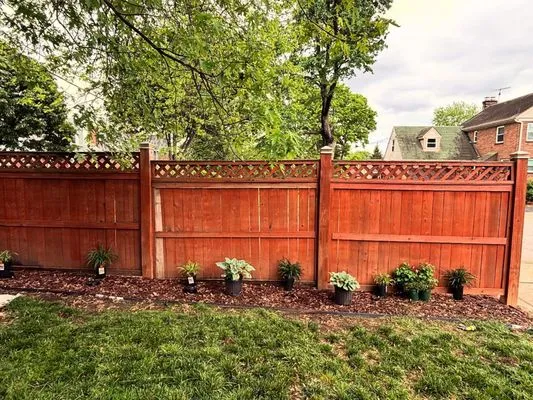
Turner Landscape & Construction
Turner Landscape & Construction is a Springdale-based family business dedicated to creating and maintaining beautiful, functional outdoor spaces for local homeowners. We combine over two decades of ex...
3 Brothers Hardscape in Springdale, OH, is a family-owned landscaping business specializing in durable, functional hardscape solutions for residential properties. With many Springdale homes facing com...
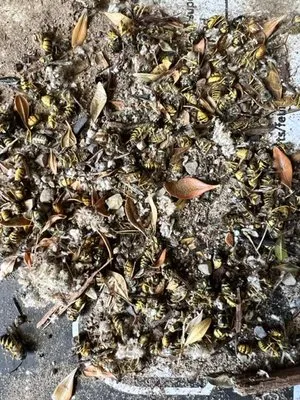
Lawn Plus Pest Control Services
Lawn Plus Pest Control Services has been protecting Springdale homes and businesses since 2005. We specialize in comprehensive pest management for common Ohio pests like ants, termites, rodents, and m...
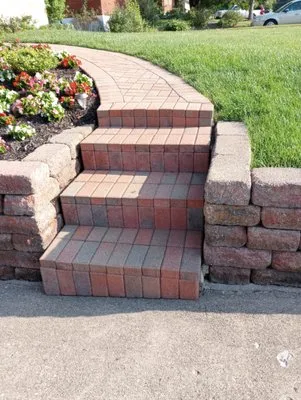
George G Landscaping & Protects is a trusted, locally-owned landscaping company serving Springdale, OH, and the surrounding communities. We understand the common challenges homeowners face, such as ov...

All American Building and Landscaping is a trusted Springdale, OH contractor specializing in both construction and comprehensive landscaping solutions. We understand the common local challenges homeow...
Frequently Asked Questions
What permits and licenses are needed for landscape grading work?
Grading projects on Springdale's typical 0.25-acre lots require Springdale Building and Zoning Department permits when altering water flow patterns or moving significant earth. Contractors must hold appropriate Ohio Landscape Industry Association certification or Ohio Department of Agriculture licensing for erosion control implementation. These requirements ensure proper drainage away from structures and prevent sedimentation in municipal systems. Unlicensed grading can violate local ordinances and create liability issues, particularly when compacted clay subsoils are disturbed without proper restoration techniques.
Are concrete pavers better than wood for patio longevity?
Concrete pavers and limestone veneer offer superior durability in Springdale's climate, typically lasting 25+ years versus wood's 10-15 year lifespan with maintenance. These materials maintain structural integrity through freeze-thaw cycles common in USDA Zone 6b while requiring minimal upkeep. For fire-wise considerations in Springdale's low-risk urban/suburban classification, non-combustible hardscapes create defensible space without contributing to fire spread. Properly installed paver systems also accommodate root growth of nearby trees better than solid concrete slabs.
Why does my Springdale Estates lawn struggle despite regular care?
Springdale Estates homes built around 1972 have soil that has matured for 54 years, developing neutral to slightly acidic silt loam with pH 6.5-7.0. This aging soil profile often exhibits clay-heavy subsoil compaction that restricts root penetration and water infiltration. Core aeration combined with organic amendments like composted leaf mold improves soil structure and microbial activity. Regular soil testing every 2-3 years helps maintain optimal nutrient availability for Kentucky Bluegrass and Tall Fescue blends common in this neighborhood.
How quickly can you respond to storm damage for HOA compliance?
Emergency cleanup crews dispatch from the Springdale Community Center via I-275, reaching Springdale Estates within 20-30 minutes during peak conditions. This response time accommodates immediate debris removal to meet HOA standards while adhering to noise ordinance restrictions on equipment operation between 9:00 PM and 7:00 AM. Crews prioritize safety hazards like downed limbs before addressing cosmetic damage, with electric equipment increasingly used to minimize neighborhood disruption.
What solutions exist for persistent yard flooding?
Moderate runoff issues in Springdale often stem from clay-heavy subsoil compaction beneath neutral silt loam surfaces. Installing permeable concrete pavers with proper base preparation increases surface permeability by 40-60% compared to traditional concrete. These systems meet Springdale Building and Zoning Department runoff standards while directing water away from foundations. For severe cases, French drains with clean gravel and landscape fabric provide subsurface relief, particularly important on 0.25-acre lots where grading changes affect neighboring properties.
Can I reduce maintenance while supporting local ecology?
Replacing high-maintenance turf areas with native plantings like Purple Coneflower, Wild Bergamot, Butterfly Milkweed, and Little Bluestem creates resilient landscapes requiring minimal inputs. These species have evolved for Springdale's climate and soil conditions, typically needing only seasonal trimming rather than weekly mowing. This transition reduces gas-powered equipment use, aligning with evolving noise ordinance trends while supporting pollinator populations. Established native plantings demonstrate 70% lower water requirements than traditional turfgrass in Zone 6b conditions.
Should I worry about watering restrictions with my current system?
Springdale currently maintains normal water restrictions, but Wi-Fi ET-based weather sensing controllers provide proactive conservation. These systems calculate evapotranspiration rates specific to Springdale's USDA Zone 6b climate, adjusting irrigation to deliver precise moisture levels for Kentucky Bluegrass and Tall Fescue blends. This technology typically reduces water usage 20-30% compared to traditional timers while maintaining turf health. Regular system audits ensure proper coverage and prevent runoff on compacted clay subsoils common in the area.
How do I handle invasive species without harming my lawn?
Common invasive alerts in Springdale include Japanese knotweed and garlic mustard, which compete aggressively with native vegetation. Treatment timing avoids local fertilizer ordinance blackout periods when applications are prohibited on frozen or saturated ground. Manual removal before seed set proves most effective for small infestations, while targeted herbicide applications require Ohio Department of Agriculture-approved products. Always identify invasives through Ohio Landscape Industry Association resources before treatment, as misidentification can damage desirable plants in neutral pH soils.
