Top Landscaping Services in South Point, OH, 45680 | Compare & Call

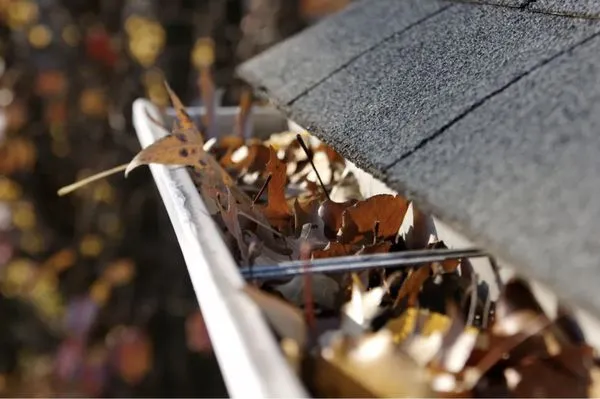
Elite Exterior Services in South Point, OH, is a trusted local provider specializing in roofing, gutter, and lawn services. Our mission is to deliver reliable exterior solutions that protect your home...
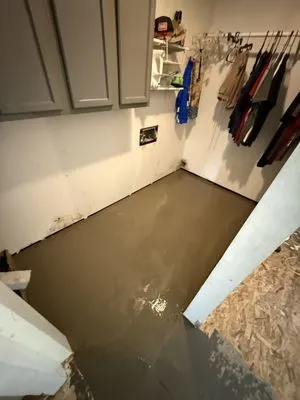
John & Craft Do It All in South Point, OH is a trusted local home services provider specializing in lawn care, tree services, and carpet installation. With a focus on reliable, detail-oriented work, t...
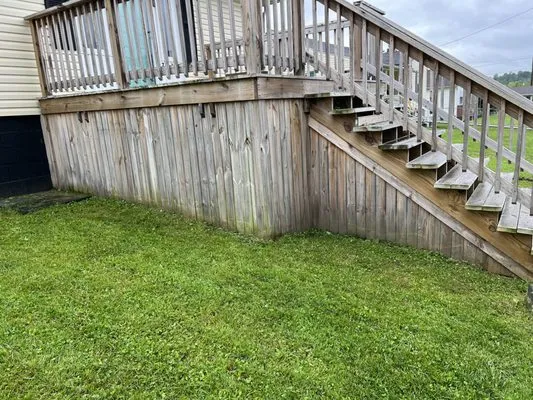
Integrity Home Solutions is a family-owned and operated business serving South Point, Ohio, founded by David Zane Crawford in 2023. We specialize in roofing, gutter services, and landscaping, offering...

Hurley's Landscape & Design
Hurley's Landscape & Design is a South Point-based landscaping company dedicated to creating and maintaining beautiful, functional outdoor spaces for local residents. We specialize in custom landscape...

AEG Automotive Repair is your trusted, full-service automotive and property care center in South Point, Ohio. We go beyond standard auto repair—from diagnosing check engine lights and performing oil c...
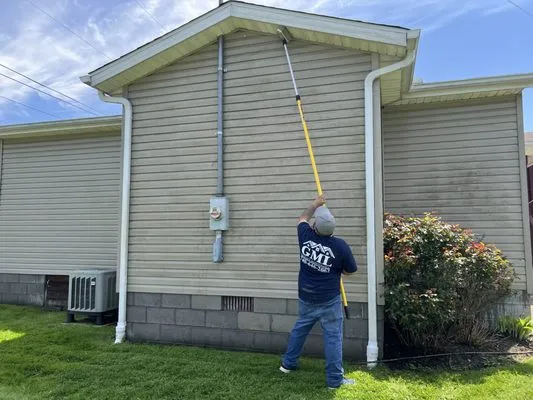
GML Property Maintenance is a full-service property maintenance company based in South Point, OH, dedicated to keeping commercial and residential properties in pristine condition. We specialize in a c...
Jacob's Lawn Care is your trusted local lawn service and junk removal expert in South Point, OH. We specialize in comprehensive lawn care, junk pickup, and pressure washing to keep your property looki...
Question Answers
What permits and licenses are needed for regrading my quarter-acre property?
Grading work on 0.25-acre lots requires Lawrence County Building Department permits for erosion control and stormwater management. Contractors must hold Ohio Department of Agriculture landscape/nursery licensing for soil movement exceeding 10 cubic yards. Professional certification ensures proper slope calculations that prevent runoff onto adjacent properties. These requirements protect against drainage issues while maintaining compliance with municipal land disturbance regulations.
How do I maintain Kentucky Bluegrass and Tall Fescue without wasting water during dry periods?
Smart Wi-Fi ET-based controllers calculate evapotranspiration rates specific to South Point's microclimate, applying water only when soil moisture sensors indicate need. These systems automatically adjust for USDA Zone 6b conditions while staying within municipal conservation guidelines. Programming separate zones for turfgrass versus native plantings optimizes water use efficiency. This approach maintains turf health while reducing overall consumption by 30-40% compared to traditional timer-based irrigation.
Why does my South Point lawn have such compacted soil that won't drain properly?
South Point Village Center properties built around 1974 have 52-year-old soil systems that have experienced decades of compaction from foot traffic and maintenance equipment. The silt loam soil common here naturally compacts over time, reducing permeability and creating drainage issues. Core aeration with organic amendments like composted leaf mold is essential to restore soil structure and improve percolation rates. This addresses the moderate runoff hazard while supporting healthier turfgrass root systems.
How quickly can you respond to an emergency storm cleanup that violates HOA regulations?
Emergency storm response from South Point Park via US-52 typically requires 15-20 minutes during peak traffic conditions. Our electric maintenance fleet operates within South Point's 10 PM to 7 AM quiet hours ordinance, allowing immediate deployment without noise violations. We prioritize routes that avoid residential congestion while maintaining compliance with Lawrence County stormwater management standards. This ensures prompt debris removal while meeting HOA aesthetic requirements.
Are concrete pavers better than wood for long-term durability in South Point?
Concrete pavers and crushed limestone offer superior longevity compared to wood in USDA Zone 6b's freeze-thaw cycles. These materials maintain structural integrity for 25+ years without the decay or insect issues affecting wooden structures. Their non-combustible nature supports South Point's low fire-wise rating by creating defensible space around structures. Properly installed permeable pavers also enhance drainage while providing stable surfaces resistant to seasonal ground movement.
What solutions address seasonal water table issues in my silt loam yard?
Silt loam's moderate permeability combined with South Point's seasonal high water table requires graded swales directing runoff toward permeable hardscape features. Concrete pavers with open-joint designs or crushed limestone pathways increase infiltration rates while meeting Lawrence County Building Department runoff standards. Installing French drains at property perimeters intercepts subsurface water movement before it reaches foundation areas. These systems work collectively to manage moderate runoff hazards common in this soil type.
How should I handle invasive species without violating fertilizer application rules?
Identify invasive threats like Japanese knotweed or garlic mustard during early spring before they establish competitive advantages. Manual removal followed by targeted organic herbicides avoids the state prohibition on frozen ground applications. Timing treatments before mid-April mulching peak prevents chemical migration through the soil profile. Always verify treatment plans comply with Ohio Department of Agriculture landscape chemical regulations for residential properties.
What alternatives exist for reducing weekly mowing and gas-powered maintenance?
Replacing high-maintenance turf with native plantings like Eastern Redbud, Purple Coneflower, and Little Bluestem creates self-sustaining landscapes requiring minimal intervention. These species thrive in South Point's silt loam soil without supplemental irrigation once established. Transitioning to electric maintenance equipment anticipates stricter noise ordinances targeting gas-powered blowers. This approach aligns with 2026 biodiversity standards while reducing maintenance frequency from weekly to seasonal.
