Top Landscaping Services in Sixteen Mile Stand, OH, 45249 | Compare & Call
There are 200 landscaping companies server in Sixteen Mile Stand OH
Honor & Grace is a Cincinnati-based interior design, landscaping, and home staging company dedicated to enhancing the beauty and functionality of local homes. We specialize in comprehensive home inter...
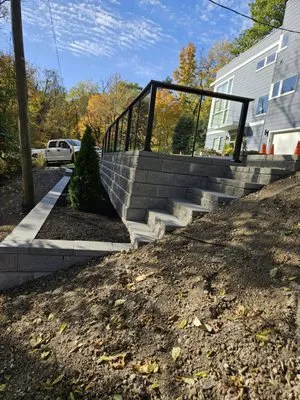
León's Landscaping
León's Landscaping LLC is a Cincinnati-owned and operated company with over 20 years of combined local experience. We specialize in transforming outdoor spaces with a comprehensive approach that goes ...
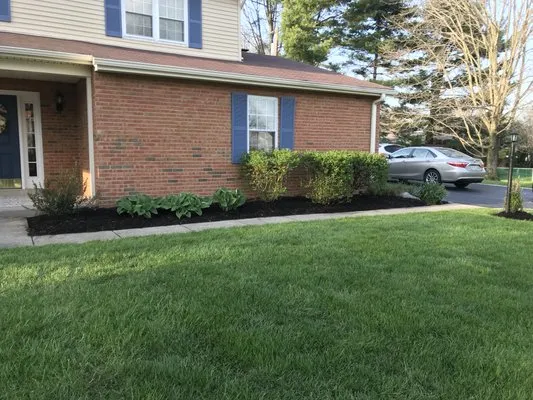
Edge2Edge Lawn Solutions is a Batavia-based landscaping company with over 20 years of experience serving Northeastern and Eastern Cincinnati communities. Founded by Steve, who combines two decades of ...
Ground Works is a trusted lawn care provider serving Loveland, OH, specializing in comprehensive lawn maintenance to keep your outdoor spaces healthy and beautiful. We understand that local homeowners...
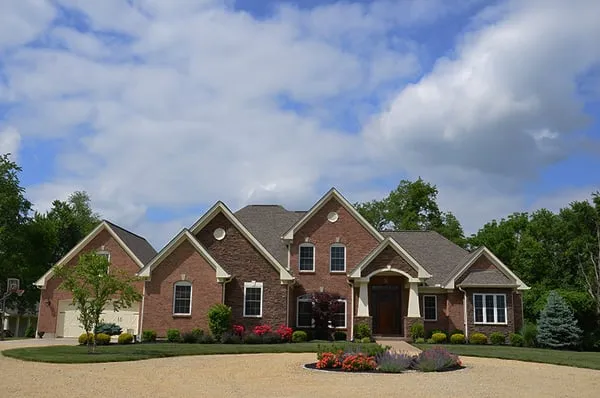
Outside Influence Landscape Design Group
Outside Influence Landscape Design Group brings a fresh perspective to landscaping in Milford, OH, and the greater Cincinnati area. We specialize in comprehensive landscape design and DIY services, of...
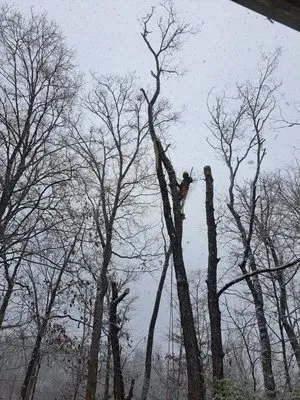
Cotras Tree Service & Landscaping has been a trusted local provider in Cincinnati since 2011, specializing in comprehensive tree care and landscape services. We focus on practical, lasting solutions f...
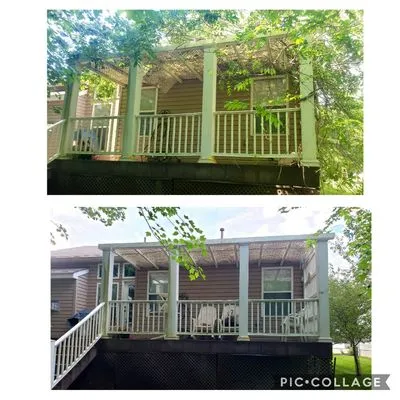
Harts Contracting brings over 23 years of combined expertise to Pleasant Plain, OH, specializing in landscaping and masonry/concrete services. With more than six years of hands-on experience in landsc...
A1 Cincy
A1 Cincy is your go-to Cincinnati neighbor for comprehensive property care across all seasons. For local homeowners struggling with common landscaping issues like persistent mulch bed weeds and dying ...

TruBlue in Cincinnati provides comprehensive house care, making home maintenance straightforward for local residents. We serve as your single point of contact for a full spectrum of needs, from interi...
Impact Lawn Service is a trusted Blue Ash, OH provider specializing in comprehensive lawn care, tree care services, and pest control. We understand the unique challenges local homeowners face, such as...
Estimated Landscaping Service Costs in Sixteen Mile Stand, OH
Q&A
Are concrete pavers or natural sandstone better for long-term durability?
Concrete pavers offer consistent sizing and color stability with minimal maintenance requirements. Natural sandstone provides unique aesthetic variation but may require occasional sealing in Zone 6a freeze-thaw cycles. Both materials create defensible space meeting low urban interface fire ratings when properly installed with adequate clearance. Their non-combustible nature reduces fire risk compared to wood decking or mulch beds near structures.
What permits and licenses are needed for grading my 0.35-acre property?
Grading that alters water flow patterns requires a Hamilton County Planning & Development permit to ensure compliance with erosion control standards. Contractors must hold Ohio Department of Agriculture landscaping licenses for earthmoving exceeding 100 cubic yards. Professional licensing verifies training in proper slope stabilization and drainage techniques. Unpermitted grading can result in fines and mandatory restoration at the property owner's expense.
Why does my Sixteen Mile Stand lawn struggle with compaction and poor drainage?
Properties in Sixteen Mile Stand Residential built around 1984 have Rossmoyne Silt Loam soil that has matured for 42 years. This silt loam develops a dense surface layer that restricts water infiltration and root penetration. Core aeration every 2-3 years is essential to break up compaction and improve soil structure. Adding organic amendments like compost increases permeability and supports microbial activity in the 6.1-6.5 pH range.
What solutions work for seasonal water pooling in my yard?
Rossmoyne Silt Loam's poor infiltration requires graded swales or French drains to redirect surface water. Permeable concrete pavers or natural sandstone installations increase ground absorption while meeting Hamilton County Planning & Development runoff standards. These materials allow 30-50% more water penetration than traditional impervious surfaces. Proper grading ensures water moves away from foundations toward designated drainage areas.
What are low-maintenance alternatives to traditional turf grass?
Transitioning to native plantings like Purple Coneflower, Wild Bergamot, Butterfly Milkweed, and Little Bluestem reduces maintenance by 60-80%. These species require minimal watering once established and support local pollinator populations. Electric maintenance equipment operates quietly within noise ordinance hours while eliminating gas emissions. This approach aligns with 2026 biodiversity standards and reduces seasonal mulching needs.
How do I maintain my Kentucky Bluegrass and Tall Fescue blend during dry periods?
Smart Wi-Fi ET-based controllers adjust watering schedules using real-time evapotranspiration data from local weather stations. These systems apply water only when needed, typically reducing usage by 20-30% compared to traditional timers. For Sixteen Mile Stand's Zone 6a climate, deep, infrequent watering encourages deeper root systems. This approach maintains turf health while following standard conservation guidelines despite no formal water restrictions.
How quickly can you respond to storm damage for HOA compliance?
Emergency cleanup crews dispatch from the Blue Ash-Kenwood Intersection via I-71 to reach Sixteen Mile Stand within 20-30 minutes during peak conditions. This response time accommodates immediate debris removal and safety hazard mitigation. Crews coordinate with property managers to address fallen branches and drainage blockages. All work complies with residential noise standards between 7am and 9pm.
How should I handle invasive species without harming my landscape?
Japanese knotweed and garlic mustard pose significant threats in Sixteen Mile Stand's established landscapes. Manual removal before seed set is most effective for small infestations. For larger areas, targeted herbicide applications follow Ohio's non-phosphorus protocols during approved windows. Soil testing determines specific nutrient needs, preventing unnecessary fertilizer use. Regular monitoring catches new invasions before they establish.
