Top Landscaping Services in Sherwood, OH, 45230 | Compare & Call

There are 15 landscaping companies server in Sherwood OH
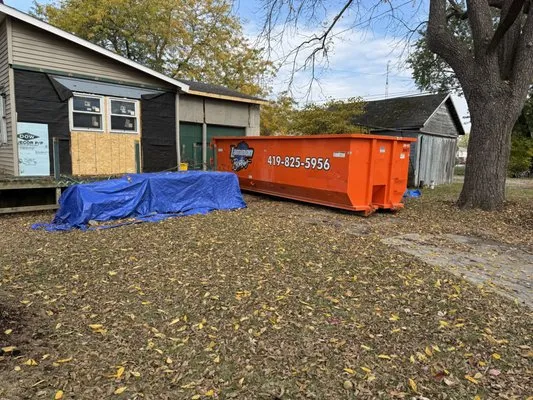
Lammon Brothers is your local Delta resource for landscaping and site management solutions, founded in 2002. We specialize in providing roll-off dumpster rentals for residential and commercial cleanup...
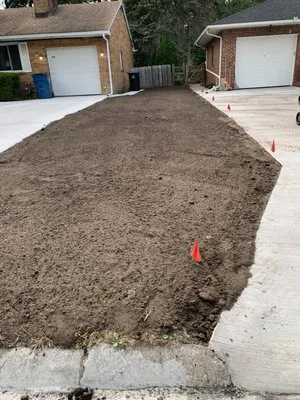
Yost Site Services is your Whitehouse, OH partner for expert landscaping and excavation. We specialize in transforming challenging properties into functional, beautiful spaces. Our comprehensive servi...
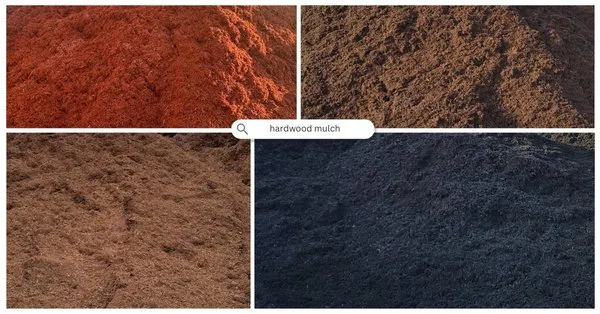
Wagner Farms & Sawmill has been a trusted family-owned business in Leipsic since 1942, specializing in sustainable forestry and quality wood products. We provide firewood, landscape maintenance, tree ...
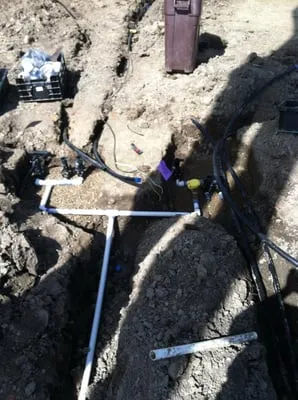
Kreative Solutions & Associates
Kreative Solutions & Associates is a Defiance, Ohio-based company with deep roots in the local landscape. Founded by someone who grew up working on Northwest Ohio farms, we combine hands-on experience...

Jacob's Homefront Services is a trusted, full-service home improvement contractor proudly serving the Defiance, OH community. We specialize in professional painting, expert landscaping, and reliable r...
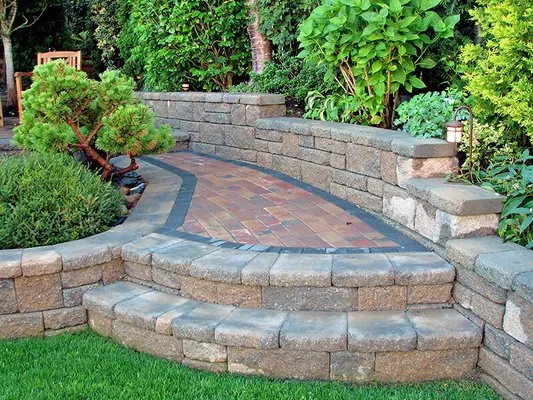
Alvarado Lawn & Landscape
Alvarado Lawn & Landscape has been serving Defiance, OH, and nearby communities since 2018, growing into a trusted local provider of comprehensive landscaping, irrigation, and snow removal services. W...

R&M Lawn Control is your trusted, full-service lawn and landscape partner in Sherwood, OH. We provide comprehensive year-round care, from precise mowing and fertilization to expert tree services and r...
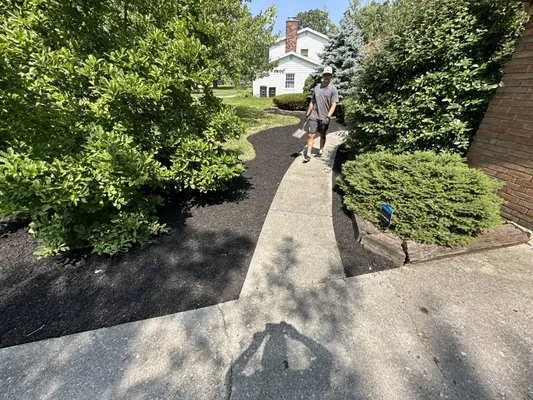
C&Z Outdoor Improvements is your trusted local outdoor specialist in Defiance, OH, dedicated to transforming and maintaining beautiful, functional outdoor spaces. We specialize in deck construction, r...
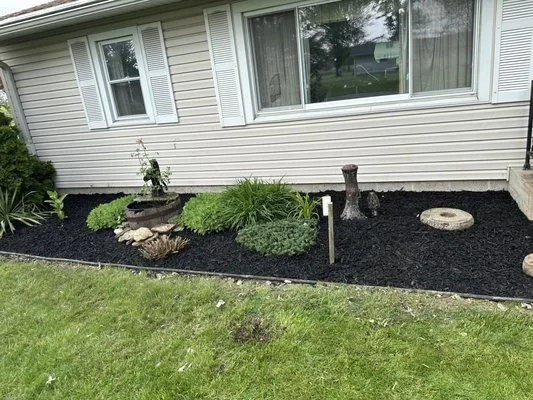
DM Landscaping is your trusted, full-service landscaping partner in Sherwood, OH. We specialize in solving the common local challenges homeowners face, like mossy lawns and sprinkler leaks, with compr...
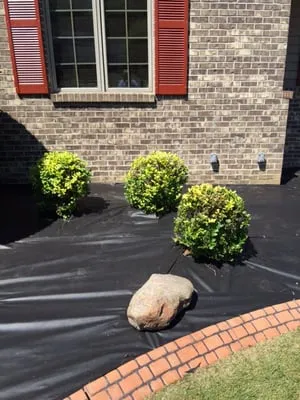
Stantz Landscaping & Design LLC brings a wealth of practical experience to Mark Center, Ohio. Owner Matt Stantz began his career locally with Nature's Way Landscaping in Defiance, learning the fundame...
Estimated Landscaping Service Costs in Sherwood, OH
Questions and Answers
I see a fast-spreading vine taking over my flower beds. How do I handle it safely?
This is likely an invasive species like wintercreeper or bindweed. Manual removal is the first defense. For persistent issues, a targeted, professional-grade herbicide application may be necessary, but it must be scheduled outside of Ohio's state-regulated blackout dates for applications near water bodies. Correct identification and timing are crucial to avoid ordinance violations.
Are concrete pavers a better long-term choice than a wooden deck for my patio?
Concrete pavers offer superior longevity with minimal maintenance compared to wood, which requires regular sealing and eventual replacement. For a 0.25-acre lot in Sherwood, pavers also contribute to a higher Firewise rating by creating a non-combustible defensible space immediately adjacent to the home, an important consideration for standard residential code compliance.
I want to reduce mowing and gas equipment noise. What are my options?
Transitioning high-maintenance turf areas to a planting of Ohio natives like Purple Coneflower, Butterfly Milkweed, and Little Bluestem significantly reduces mowing frequency. This xeriscape approach conserves water and eliminates weekly gas-mower use, aligning with future noise ordinance trends restricting loud equipment. An established native planting requires minimal long-term input.
A storm damaged trees on my property and the HOA requires cleanup within 48 hours. How fast can you respond?
Our dispatch for an emergency cleanup in Sherwood originates near Sherwood Village Park, routing via OH-18. During peak traffic, we allocate a 60-minute travel window. Crews with electric chippers and hauling equipment can mobilize same-day to meet compliance deadlines, operating within the local noise ordinance hours of 7 AM to 9 PM.
The soil in my Sherwood Village Center yard feels hard and doesn't absorb water well. What's wrong with it?
Sherwood lots developed around 1954 now have 70+ year-old soil. The prevalent Blount-Pewamo Silt Loam compacts over decades, reducing permeability. A mature lawn's thatch layer and traffic have likely sealed the surface. Core aeration followed by a top-dressing of compost is critical to reintroduce organic matter and restore pore space for root growth and water infiltration.
My yard has a low spot that ponds every spring. What's a permanent fix?
Seasonal ponding is a known issue in Blount-Pewamo soils with poor percolation. A subsurface French drain system, daylighting into a rain garden planted with natives, will redirect water. For patios or paths, using permeable concrete pavers or open-graded crushed limestone as a base can meet Defiance County runoff standards by allowing infiltration on-site.
I want to regrade my backyard to fix drainage. Do I need a permit or a special contractor?
Yes. Significant regrading on a 0.25-acre lot that alters water flow patterns requires a review by the Defiance County Building Department. Furthermore, this work must be performed by a contractor licensed by the Ohio Department of Agriculture's Landscape Architect Board or a registered professional engineer, as it involves technical expertise in hydrology and soil mechanics.
How can I keep my Kentucky Bluegrass and Tall Fescue blend green without wasting water?
Smart Wi-Fi controllers with integrated soil moisture sensors provide the solution. They schedule irrigation based on actual evapotranspiration (ET) data and real-time soil conditions, preventing overwatering. This system adheres to voluntary conservation by applying water only when the root zone needs it, which strengthens turfgrass resilience during dry periods common in Zone 6a.
