Top Landscaping Services in Seven Hills, OH, 44131 | Compare & Call

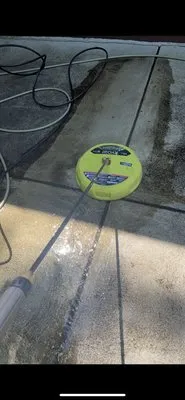
D&S Lawn Care is a Seven Hills-based company founded by two local high school friends, Dylan and Sam. We're dedicated to providing reliable lawn services for our neighbors, combining youthful energy w...

Dunbar Lawn and Landscape Company is a trusted, locally-owned landscaping provider serving Seven Hills, Ohio, and the surrounding communities. We understand the unique challenges homeowners face in ou...
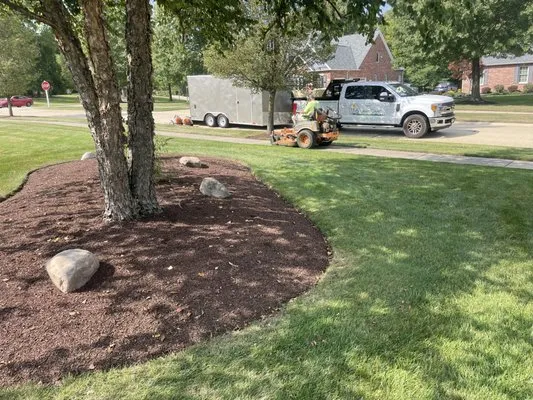
T&A LawnCare is a trusted, locally-owned landscaping service dedicated to caring for Seven Hills yards. Founded in 2018, we combine reliable service with a deep understanding of local needs. Our appro...
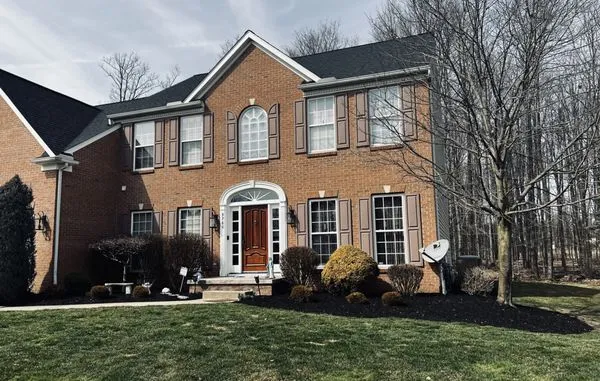
True Lawn Care has been the trusted local lawn and snow service in Seven Hills, Ohio, for over 15 years. As a small, full-service, and family-owned business, we are fully insured and bonded, providing...
P. Monteleone Landscaping is a trusted local landscaping company serving Seven Hills, OH, and surrounding areas. We specialize in comprehensive landscape solutions, including driveway and walkway inst...
D&F Mulching is a landscaping company based in Seven Hills, OH, founded by two local landscapers with a combined 30 years of experience serving the Parma, Seven Hills, and Brecksville areas. Specializ...
Common Questions
My yard stays soggy for days after rain. What's the best long-term solution for this clay soil?
Persistent wetness indicates the low permeability of our silty clay loam. A graded French drain system is often required to intercept subsurface water. For new hardscapes, specifying permeable concrete pavers or open-joint sandstone can significantly reduce surface runoff, which may help meet Seven Hills Building Department standards for managing stormwater on-site and alleviating compaction issues.
My lawn has been struggling since I moved in. Is the soil in Broadview-Hillside just naturally poor?
Homes built around 1967, common in this neighborhood, have soils that have matured for nearly 60 years. The original slightly acidic silty clay loam has likely become heavily compacted, restricting root growth and water percolation. This compaction is a primary cause of seasonal saturation and turf decline. Core aeration and incorporation of composted organic matter are critical first steps to rebuild soil structure and biological activity.
I'm tired of weekly mowing and loud gas equipment. What's a lower-maintenance alternative?
Transitioning perimeter zones to a planting of Purple Coneflower, Wild Bergamot, and Little Bluestem creates a resilient, biodiverse landscape. These deep-rooted natives require no fertilization, minimal watering once established, and only an annual cutback. This reduces reliance on mowing and gas-powered blowers, aligning with evolving noise ordinances and electric fleet trends.
We're regrading our backyard. What permits and contractor qualifications should we verify?
Any significant earth movement on a 0.35-acre lot typically requires a grading permit from the Seven Hills Building Department. The contractor must hold appropriate licensing through the Ohio Landscape Industry Association or the Ohio Department of Agriculture. This ensures they are bonded, insured, and knowledgeable about local soil stability and drainage codes, protecting your property from liability and substandard work.
We want a new patio. Are concrete pavers or natural stone better for our climate?
Both concrete pavers and sandstone are durable in Zone 6b. Concrete offers consistent sizing for precise installation, while sandstone provides a natural aesthetic but requires sealing. Compared to wood, both materials are non-combustible, contributing to defensible space even in our low Fire Wise rating area. Their longevity and permeability make them a sound infrastructural choice.
A storm just knocked down a large limb. How quickly can a crew arrive for emergency cleanup?
For urgent safety hazards, our dispatch from Seven Hills City Hall prioritizes access to I-77. This routing allows a crew to reach most Broadview-Hillside properties within the 20-30 minute peak storm response window. The initial response focuses on securing the area and removing debris from structures and driveways, with full site restoration to follow.
I see a fast-spreading vine taking over my flower beds. How should I handle it?
This is likely an invasive species like wintercreeper or creeping Jenny. Manual removal is safest for nearby desirable plants. For persistent issues, a targeted, phosphorus-free herbicide application may be necessary, but only after positive identification. Always adhere to the local ordinance requiring phosphorus-free fertilizers and treatments unless a confirmed soil test deficiency exists.
How can I keep my Kentucky Bluegrass and Tall Fescue lawn healthy without wasting water?
Smart Wi-Fi controllers using ET-based scheduling are now the standard for efficiency. They automatically adjust runtimes by calculating daily evapotranspiration rates from local weather data. This method delivers precise water volumes that match plant needs, conserving water under voluntary conservation guidelines while maintaining turf health far more effectively than traditional timer-based systems.
