Top Landscaping Services in Russells Point, OH, 43348 | Compare & Call
There are 47 landscaping companies server in Russells Point OH
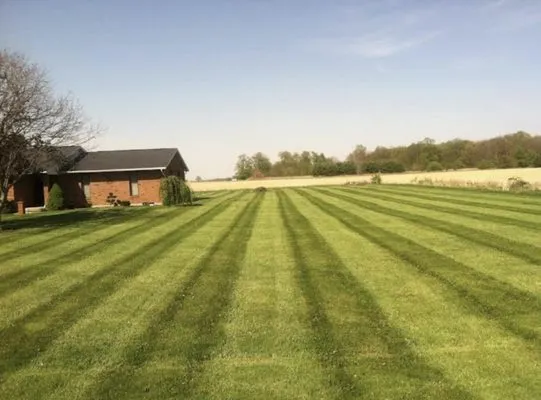
Randy Conner Mowing Services provides reliable lawn care solutions for homeowners in Lakeview, OH. Many local properties face challenges like storm debris cleanup and standing water in yards after hea...
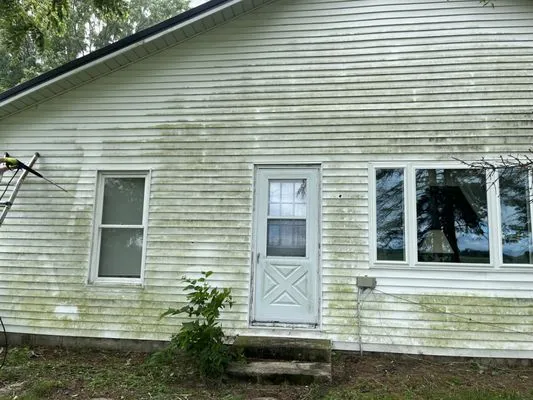
McGue’s Mowing & More is your trusted local partner for lawn and landscape care in La Rue, OH. We understand that local homeowners often face issues like dying shrubs and damaged landscape edging, whi...
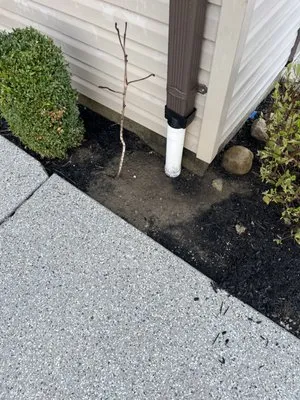
Bowsher Bros is a trusted, family-owned business serving Delaware, OH, with comprehensive lawn care, masonry, and snow removal services. We specialize in addressing common local landscaping challenges...

Lawn Wizard is a trusted local lawn care and snow removal service based in Lakeview, OH, dedicated to keeping your property looking its best year-round. We understand the common landscaping challenges...
Goings Landscaping & Snow Removal is a trusted, locally-owned company serving Lakeview, OH, and the surrounding communities. We specialize in comprehensive seasonal services, including reliable snow r...
Green Elf Lawn Service is your trusted local landscaping partner in Russells Point, OH. We specialize in tackling the most common yard challenges our neighbors face, from storm debris cleanup to resto...
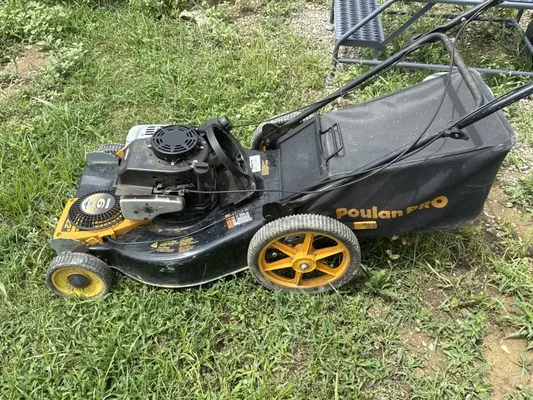
SB's Lawn Mowing is a trusted local lawn care provider serving Huntsville, OH homeowners. We specialize in addressing common Huntsville landscaping challenges like dead lawn patches and yard drainage ...
Estimated Landscaping Service Costs in Russells Point, OH
Common Questions
Can I maintain healthy turf while following water conservation guidelines?
Smart Wi-Fi soil moisture sensor controllers optimize irrigation by measuring actual soil conditions rather than following fixed schedules. These systems reduce water use by 30-40% while maintaining Kentucky Bluegrass and Tall Fescue blends. The technology adjusts watering based on evapotranspiration rates and precipitation events. Russells Point's standard conservation approach allows flexible irrigation when paired with efficient technology. Deep, infrequent watering encourages deeper root systems that better withstand dry periods.
What permits and licenses are required for significant landscape modifications?
The Logan County Building Authority requires grading permits for any earth movement exceeding 50 cubic yards on 0.22-acre lots. Ohio Department of Agriculture licensing mandates certified professionals for pesticide applications and certain soil amendments. Drainage system installations affecting property boundaries need engineered plans showing water flow patterns. Retaining walls over 4 feet require structural calculations and inspection at multiple construction phases. Always verify contractor credentials through state licensing databases before commencing work.
What solutions address seasonal water pooling in my yard?
High water tables in Blount-Pewamo Silt Loam require graded swales and French drains to redirect surface water. Permeable concrete pavers and crushed limestone hardscapes meet Logan County Building Authority runoff standards by allowing water infiltration. Dry creek beds with native stone provide both functional drainage and aesthetic appeal. Strategic planting of moisture-tolerant natives in low-lying areas creates natural absorption zones. Proper grading ensures 2% slope away from foundations to prevent structural moisture issues.
What invasive species threaten my landscape and how do I manage them safely?
Japanese knotweed and garlic mustard present significant invasion risks in Zone 6a with rapid spread through root fragments. Manual removal during early growth stages prevents establishment without chemical intervention. Ohio's phosphorus application restrictions (SB 1/HB 463) prohibit certain treatments during blackout dates in spring and fall. Targeted spot treatments with EPA-approved herbicides follow label instructions precisely. Regular monitoring catches new invasions before they establish extensive root systems.
Why does my lawn have compacted soil that resists water penetration?
Your property's soil has matured for 53 years since the typical 1973 construction date, leading to significant compaction in Blount-Pewamo Silt Loam. This soil type naturally develops dense layers that restrict root growth and water movement. Indian Lake Shoreline properties experience seasonal saturation that exacerbates compaction through repeated wet-dry cycles. Core aeration with organic amendments like composted leaf mold improves soil structure and permeability. Regular soil testing every 2-3 years monitors pH stability within the 6.8-7.2 range.
How quickly can you respond to storm damage that violates HOA landscape standards?
Emergency cleanup crews dispatch from the Russells Point Municipal Building within 30 minutes during peak conditions. The route follows US-33 with optimized traffic patterns for 20-30 minute arrival times to Indian Lake Shoreline properties. Our electric maintenance fleet operates within daytime quiet hours (7:00 AM - 9:00 PM) to comply with noise ordinances. We prioritize safety assessments before debris removal, documenting all work for HOA compliance reporting.
Which hardscape materials provide durability with minimal maintenance?
Concrete pavers and crushed limestone offer superior longevity compared to wood, resisting decay and insect damage in humid conditions. These materials maintain structural integrity for 25+ years with proper installation and occasional joint sand replenishment. Their non-combustible nature supports Low Fire Wise Rating compliance for defensible space around structures. Permeable installation methods reduce runoff while providing stable surfaces. Color-fast concrete formulations prevent fading from UV exposure common in open shoreline areas.
How can I reduce maintenance while supporting local ecology?
Replacing high-maintenance turf with Purple Coneflower, Butterfly Milkweed, Little Bluestem, and Ohio Goldenrod creates resilient landscapes. These natives require no chemical inputs and support pollinator populations throughout Zone 6a. Electric maintenance equipment operates quietly within noise ordinance hours while eliminating emissions. Reduced mowing frequency decreases soil disturbance and allows beneficial insect habitats to establish. This approach aligns with 2026 biodiversity standards for residential landscapes.
