Top Landscaping Services in Ross, OH, 45013 | Compare & Call
There are 184 landscaping companies server in Ross OH

Mower Power is a trusted Cincinnati landscaping company helping local homeowners achieve and maintain healthy, beautiful yards. We understand the common challenges in our area, like poor yard drainage...
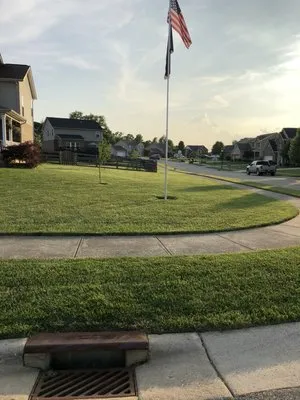
Early Worm Lawn Care Services is a Cincinnati-based lawn care provider founded by a local professional with eight years of experience. Specializing in residential and commercial landscaping, we offer ...
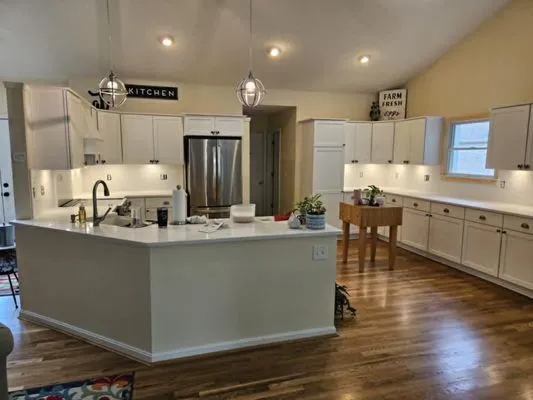
Earls Property Care is a family-owned and operated business based in Bethel, OH, serving the greater Cincinnati area. We specialize in comprehensive home improvement services, including bathroom and k...
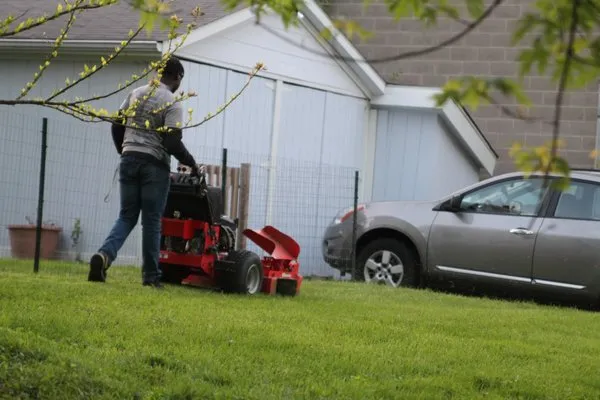
Harvey Landscaping is a Cincinnati-owned company founded on deep local roots and practical expertise. Owner Timothy McDowell began his career right here, learning the trade through the Cincinnati Park...
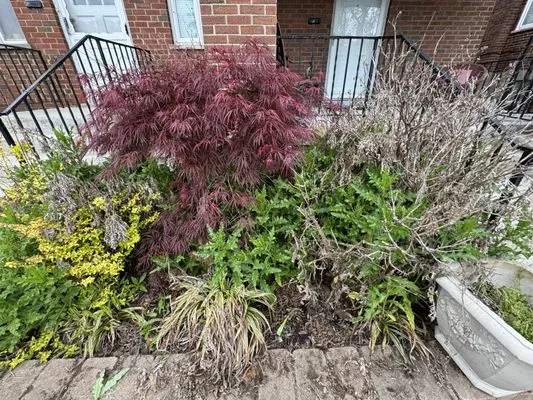
Grimes Gardening is a Colerain Township-based landscaping and gardening business dedicated to transforming outdoor spaces with personalized care and attention. We specialize in a comprehensive range o...
House Genies is your trusted Cincinnati neighbor for comprehensive home services, including lawn care, car wash, and pet sitting. Based right here in Cincinnati, we understand the unique challenges lo...
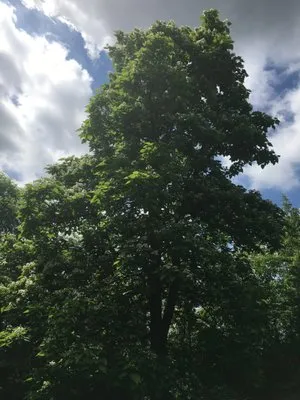
Barry Kendall ISA Board Certified Master Arborist is a Cincinnati-based expert providing comprehensive tree and landscape services. With ISA Board Certified Master Arborist credentials, Barry offers p...

Organic Environments is a Hamilton, OH-based landscaping and tree service company dedicated to creating and maintaining healthy, vibrant outdoor spaces. We specialize in a full range of organic-focuse...
Campbell's Landcare in Fairfield, OH, is a dedicated lawn service provider focused on residential properties while also welcoming commercial clients. We offer a comprehensive range of services, includ...
Parkers Mowing is a dedicated lawn care service serving Colerain Township, Ohio. We specialize in addressing the common local landscaping challenges homeowners face, such as unsightly bare patches and...
Estimated Landscaping Service Costs in Ross, OH
Question Answers
Are permeable pavers a better long-term choice than a wooden deck?
For longevity and low maintenance, permeable clay pavers outperform wood. They do not rot, warp, or require sealing, and their inherent permeability manages stormwater. While Ross has a Low Fire Wise rating, these non-combustible materials contribute to defensible space. Their installation requires a stable, engineered base, which represents a higher initial investment but offers a lifespan measured in decades, not years.
My backyard becomes a muddy pond every spring. What's the solution?
Seasonal clay saturation in Ross's silt loam is a common drainage hazard. Solutions begin with regrading to create positive slope away from foundations and installing French drains in worst-hit areas. For new patios or walkways, specifying permeable clay pavers increases ground absorption and can help a project meet the Ross Township Zoning Department's stormwater runoff standards by managing water on-site.
What permits and qualifications are needed to regrade my half-acre lot?
Regrading a 0.45-acre lot in Ross Township typically requires an Earth Disturbance Permit from the Ross Township Zoning Department to ensure proper stormwater management. The contractor must hold appropriate licensing, such as an Ohio Department of Agriculture Landscape Nursery Stock Dealer license for planting associated with the work. For significant cut-and-fill operations, a professional engineer may be required to sign off on the grading plan to prevent structural or drainage issues on adjacent properties.
Can I have a green lawn without violating water restrictions?
Yes. Ross is currently in Stage 0, but proactive water conservation is standard. A smart Wi-Fi ET-based controller adjusts irrigation schedules daily based on local evapotranspiration data, not a fixed timer. This technology applies precise water volumes that match the needs of your Kentucky Bluegrass and Tall Fescue blend, preventing runoff and deep percolation losses, which keeps usage within municipal guidelines even during dry spells.
A storm damaged trees, and my HOA gave a 48-hour cleanup notice. How fast can a crew arrive?
For emergency HOA compliance, our dispatch from Ross Community Park via US-27 allows for a 20-30 minute response during peak hours. The crew operates a fully electric maintenance fleet, which meets the local noise ordinance for after-hours work if necessary. All debris is processed through a chipper on-site, with wood chips available for reuse as mulch to stabilize disturbed soil areas.
Our yard seems to hold water and the grass is thin. Is this just how Ross soil is?
Ross Center lots, developed around 1975, have 50-year-old soil profiles dominated by silt loam. This soil type compacts easily under foot and equipment traffic, reducing its percolation rate and leading to the seasonal saturation you observe. Core aeration, performed in fall or spring, is critical to alleviate compaction and introduce oxygen. Amending with composted leaf mulch can improve soil structure and water infiltration for healthier turf.
I want to reduce mowing and gas equipment noise. What are my options?
Transitioning turf areas to a native plant bed featuring Purple Coneflower, Butterfly Milkweed, and Little Bluestem significantly reduces maintenance. These deep-rooted perennials require no weekly mowing, minimal water once established, and support local pollinators. This shift also future-proofs your property against evolving noise ordinances targeting gas-powered blowers and mowers, aligning with 2026 biodiversity and emissions standards.
What invasive species should I watch for, and how do I handle them safely?
Japanese Knotweed and Lesser Celandine are high-priority invasive alerts in Ross. Manual removal for small infestations is effective if done before seed set. For chemical control, use a glyphosate-based herbicide applied directly to the foliage in late summer or fall, strictly following label instructions. This timing avoids the spring phosphorus application blackout periods under state fertilizer ordinances and minimizes non-target impact.
