Top Landscaping Services in Powhatan Point, OH, 43942 | Compare & Call
There are 67 landscaping companies server in Powhatan Point OH
Roush Landscaping is a trusted local landscaping company serving Racine, OH, and the surrounding areas. We specialize in addressing common local landscaping challenges, particularly lawn insect damage...
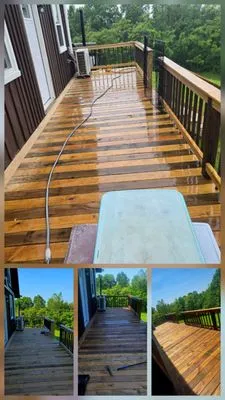
Vitality Services is a family-owned property maintenance company in Marietta, OH, built on traditional values of honesty, hard work, and respect. We specialize in property management, lawn services, a...
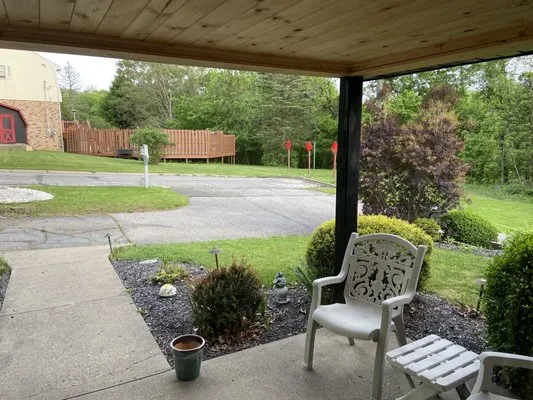
Luke Lawn Care is your trusted, local lawn service in Wintersville, OH, dedicated to solving the specific landscaping challenges common to the area. Many homeowners here face issues like standing wate...
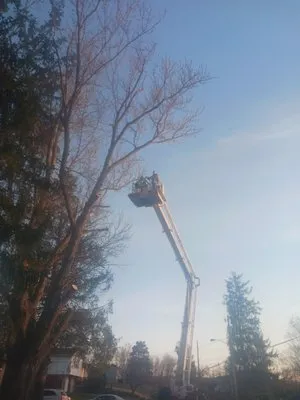
Ohio Valley Landscaping, based in Mingo Junction, is a locally-owned and operated business dedicated to providing reliable lawn care and snow removal services. As a single father and business owner, m...
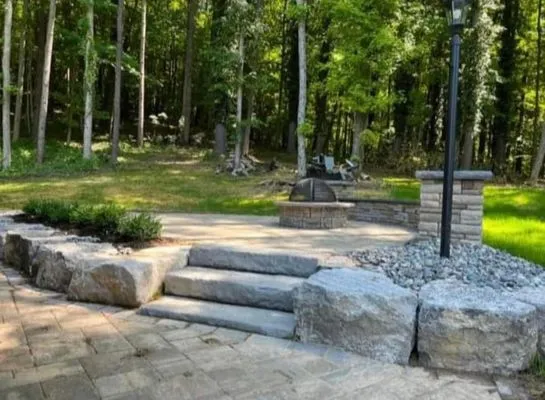
Phillips Landscape Design
Phillips Landscape Design is a full-service landscaping and tree care company serving Wintersville, OH, and the surrounding communities. We specialize in solving common local issues like poor yard dra...

Total Lawn Care, based in Steubenville, OH, is a locally owned and operated landscaping and outdoor services company founded by Russell Hunt. We specialize in comprehensive solutions for both resident...

Trosky’s Custom Home Design is a family-owned business in Rayland, OH, dedicated to providing satisfaction through integrity and pride in every project. We specialize in general contracting, landscapi...
McConnell Lawn Care & Landscaping is a Dennison, OH-based landscaping company dedicated to enhancing and protecting the beauty of local homes. We specialize in addressing common local issues like dyin...
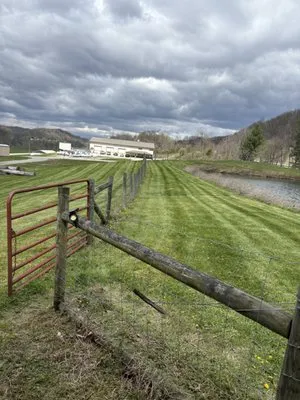
Walk The Line Lawns is a locally owned and operated lawn care business serving Caldwell, OH, and the surrounding areas. Founded on the principle of treating every property with the same care and atten...
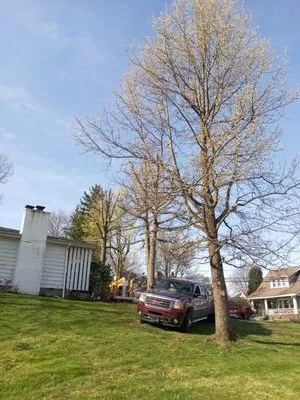
Nardos Lawncare and Landscape in Bethesda, OH, is a locally owned and operated business with deep roots in the community. Founded by William Nardo, who brings extensive experience from working with va...
Estimated Landscaping Service Costs in Powhatan Point, OH
Q&A
Why does my yard in the Powhatan Point Village Center area drain poorly despite regular care?
Lots in this neighborhood, typically developed around 1960, have over 65 years of soil history. The acidic silt loam, when compacted by decades of standard maintenance, forms a dense layer that restricts water percolation. This compaction, combined with the prevalent clay subsoil, significantly reduces permeability. Core aeration and incorporating composted organic matter are critical to rebuild soil structure and improve root zone health.
How quickly can you respond for an urgent HOA compliance or storm cleanup request?
For emergency service, our dispatch from the Powhatan Point Municipal Building allows a peak response window of 20-30 minutes. The primary route utilizes OH-7 for efficient access to the Village Center and surrounding areas. We prioritize these calls with dedicated crews and equipment to meet critical deadlines and address safety hazards from fallen limbs or debris.
Is it possible to maintain a healthy lawn here without wasting water?
Absolutely. While Powhatan Point has no formal water restrictions, standard conservation is expected. Modern smart Wi-Fi soil moisture sensor controllers are essential. They schedule irrigation based on actual evapotranspiration (ET) and soil conditions, not a fixed timer. This technology delivers water only when and where your Kentucky Bluegrass and Tall Fescue blend needs it, preventing runoff and optimizing root depth.
Are sandstone pavers a better choice than wood for a new patio?
For longevity and low maintenance in Zone 6b, sandstone pavers are superior. They offer exceptional durability against freeze-thaw cycles and do not rot, splinter, or attract pests like wood. From a Fire Wise perspective, their non-combustible nature contributes directly to the required 5-foot defensible space zone around structures. Sandstone also provides a stable, permeable surface that complements the local aesthetic.
Why do some landscaping projects require a licensed professional?
Significant alterations to land, especially on a 0.25-acre lot with variable topography, involve regulated practices. The Belmont County Planning Commission oversees permits for grading, drainage, and structural work. The Ohio Department of Agriculture Landscape Architect Board licenses professionals for design and construction that impacts property drainage, structural integrity, and public health. Using licensed experts ensures compliance with state codes and protects your investment.
My property has major runoff issues, especially on slopes. What's a lasting solution?
Steep topography and clay subsoil create a high runoff hazard common here. Solutions must address permeability at the source. Installing dry creek beds or French drains intercepts surface water, while replacing solid surfaces with permeable sandstone paver systems allows infiltration. These approaches often require a grading permit from the Belmont County Planning Commission but effectively manage stormwater to modern standards.
What invasive species should I watch for, and how do I control them responsibly?
Be alert for invasive plants like Japanese Knotweed or Tree-of-Heaven, which thrive in disturbed soils. Safe treatment requires precise timing and method. Ohio's fertilizer ordinance restricts phosphorus application to soil-test-verified necessity only, which influences some herbicide formulations. For effective control, we use targeted, EPA-registered treatments applied by licensed technicians outside of sensitive seasonal windows to protect local waterways.
I want to reduce mowing and gas equipment noise. What are my options?
Transitioning high-maintenance turf areas to a climate-adaptive xeriscape is a forward-looking strategy. Incorporating native plants like Eastern Redbud, Switchgrass, Purple Coneflower, and Butterfly Weed establishes a resilient, low-input landscape. These species require less water, no weekly mowing, and provide critical habitat. This shift preemptively reduces reliance on gas-powered blowers and mowers, aligning with evolving noise and emission norms.
