Top Landscaping Services in Portage Lakes, OH, 44319 | Compare & Call
There are 171 landscaping companies server in Portage Lakes OH
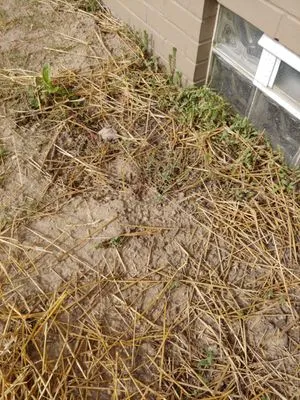
E & T Lawn & Landscape is a Uniontown-based company with deep local roots, founded by Andy as a summer job back in 2003. What started as a small venture with worn-out equipment has grown into a truste...

Extraordinary Detail
For Extraordinary Detail in Akron, OH, landscaping is more than a business—it's a story of local resilience and passion. After being laid off from Gojo Industries in 2009, founder [Your Name] saw an o...
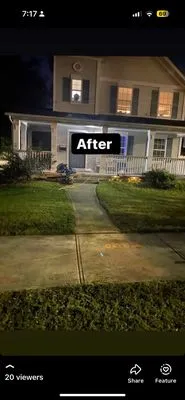
His and Hers Landscaping is a trusted, family-operated landscaping service rooted in Akron, Ohio. We specialize in diagnosing and solving the common local problems of patchy, struggling lawns and yard...
Barberton Services is a trusted landscaping company serving Akron, OH, specializing in landscape construction, installation, and greenscape construction. We help local homeowners tackle common landsca...
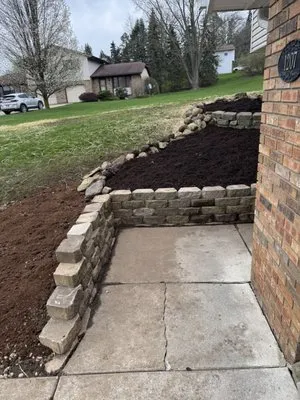
Starr Scapes is a veteran-owned and operated landscaping business proudly serving Massillon, OH, with a decade of hands-on experience. Owner-operated, the business brings a military ethos of disciplin...
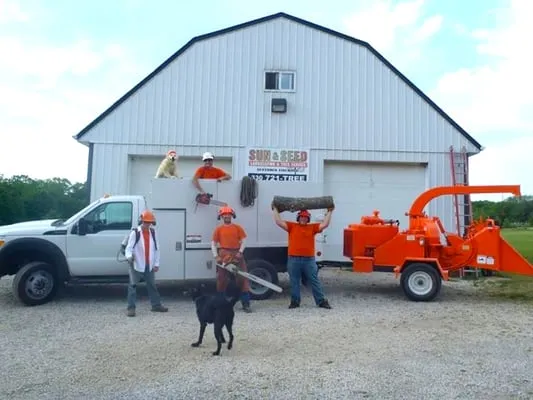
Sun and Seed Tree is a family-owned tree service and landscaping company serving Medina, OH, and surrounding areas since 1978. Founded by Greg's father and now led by Greg as a second-generation exper...
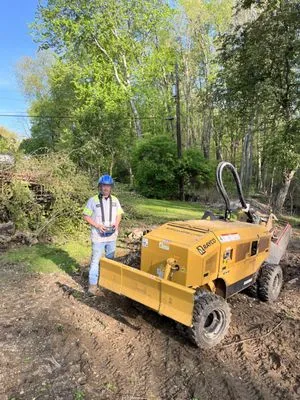
Haymaker Tree and Lawn
Haymaker Tree and Lawn is a family-owned and operated tree and landscape service with deep roots in Northeast Ohio. Since 1968, Mark and John Haymaker have continued their parents' legacy, managing da...
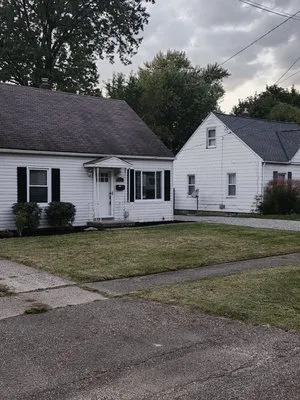
D&Z Lawn Services is a locally owned and operated lawn care provider in Akron, OH, built on over 15 years of hands-on landscaping experience. We believe in treating your yard with the same care and at...
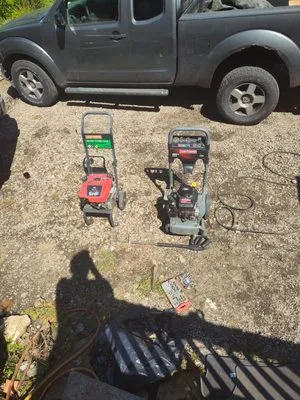
Jdas Properties is a trusted home services contractor serving homeowners and business owners across the greater Akron and Canton area. With a hands-on approach to every project, we specialize in profe...
Emerald Lawn Care is your trusted, locally-owned landscaping partner in Akron, Ohio. We understand the unique challenges Akron homeowners face, from persistent standing water that can damage your lawn...
Estimated Landscaping Service Costs in Portage Lakes, OH
FAQs
What's the safe way to manage invasive weeds near the lake without harming the water?
Managing invasives like Phragmites or Purple Loosestrife requires careful timing and method selection to comply with state guidelines on phosphorus and herbicide application near water bodies. Manual removal or targeted, permitted herbicide applications during specific growth stages are most effective. It is critical to avoid fertilizer use in these shoreline zones entirely and to consult the Ohio Department of Agriculture for treatment windows to protect water quality.
How quickly can a crew respond for emergency storm debris cleanup to meet HOA compliance deadlines?
For urgent HOA compliance or storm-related emergencies, a dispatch from the Portage Lakes State Park area via I-77 typically results in a crew arrival within 25-35 minutes during peak hours. Our routing software prioritizes these calls, and we maintain dedicated electric equipment fleets to begin work immediately within the local 7:00 AM to 9:00 PM noise ordinance window.
Are concrete pavers a better long-term choice than wood for a new patio?
For longevity and low maintenance in our climate, inorganic materials like concrete pavers outperform wood. They resist frost heave, do not rot, and require no chemical treatments. In the context of Portage Lakes' Moderate Fire Wise rating, using non-combustible pavers and crushed limestone for paths also contributes to creating defensible space, a key consideration for properties in the Wildland-Urban Interface.
My yard has persistent puddling from the high water table. What are my options?
Seasonal flooding in Portage Lakes is often due to the high water table interacting with impermeable Silty Clay Loam. A graded swale or dry creek bed directing water away from the home is a primary solution. For patios or walkways, using permeable concrete pavers or an open-graded crushed limestone base increases surface infiltration, helping projects meet Summit County Department of Building Standards' stormwater runoff requirements.
I'm tired of weekly mowing. Are there lower-maintenance, eco-friendly alternatives?
Replacing high-input turf areas with a native plant community is a strategic solution. Species like Common Milkweed, Wild Bergamot, and New England Aster are adapted to Zone 6b, require no fertilization, and support local biodiversity. This transition also future-proofs your property against evolving noise ordinances that restrict gas-powered equipment, as native beds need only seasonal cutbacks with quieter electric tools.
Do I need a permit to regrade my backyard, and what should I look for in a contractor?
Significant regrading on a 0.35-acre lot that alters water flow or involves retaining walls over certain heights requires a permit from the Summit County Department of Building Standards. For this work, always verify your contractor holds appropriate licensing through the Ohio Landscape Industry Association (OLIA) and, for any pesticide application, a license from the Ohio Department of Agriculture. This ensures the work meets structural and environmental code.
Why does my lawn struggle to drain even after a light rain, and why is the soil so dense?
Portage Lakes lots, with homes averaging from the 1960s, have developed a mature but heavily compacted Silty Clay Loam soil profile over 60+ years. This soil type has naturally low permeability, which is exacerbated by decades of foot traffic and standard maintenance, leading to poor percolation. Core aeration combined with top-dressing compost is the foundational correction, improving soil structure and water infiltration to support healthier turf.
Can I have a green lawn while still practicing water conservation?
Yes, modern Smart Wi-Fi Soil Moisture Sensor Controllers make this achievable. These systems apply water based on actual evapotranspiration (ET) rates and root-zone moisture levels, not a fixed schedule. For the Kentucky Bluegrass and Tall Fescue blend common here, this technology prevents overwatering, maintains turf health during dry spells, and aligns with voluntary conservation efforts by reducing municipal water use by 30-50%.
