Top Landscaping Services in Pleasant Run, OH, 45231 | Compare & Call
There are 170 landscaping companies server in Pleasant Run OH
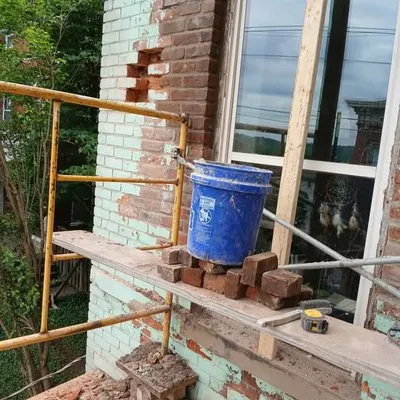
Roses Restoration is a Cincinnati-based masonry, landscaping, and fireplace services company with deep roots in the local community. Founded in 2013 and built on generations of family expertise in mas...
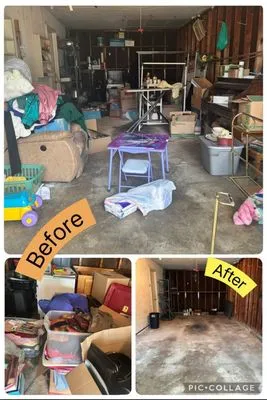
Courtesy Clean-em-Ups is a woman and veteran-owned family business serving Franklin, OH and Southwest Ohio. Founded by a local couple, they specialize in helping homeowners and landlords reclaim space...
Phil’s Landscaping provides professional lawn care services to homeowners across Cincinnati, OH. We understand the common local challenges of patchy, uneven grass and damaged landscape edging, which c...
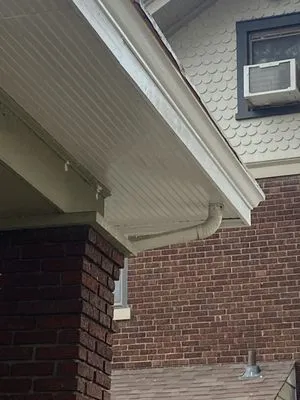
Johnson & Sonz, a Cincinnati-owned business since 2016, provides reliable junk removal, hauling, and landscaping services. We take pride in a straightforward, professional approach to every project, f...

Hi, I'm the owner of Ruff Landscapes. As a White Oak high school student building my own path, I bring a strong work ethic and a commitment to exceeding expectations to every job. I provide reliable l...

AppleTree Property Investments is your trusted local partner in Ross, OH, for comprehensive property maintenance. We specialize in seasonal lawn care and reliable snow removal services tailored for ho...
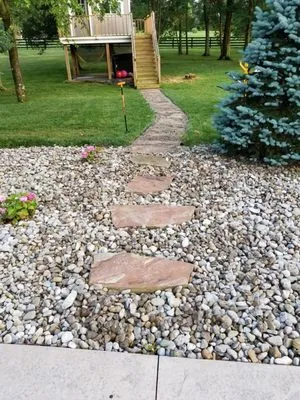
Red Rooster Landscaping LLC is a Goshen-based landscaping company dedicated to transforming outdoor spaces into beautiful, functional areas. Our team provides personalized solutions tailored to each c...
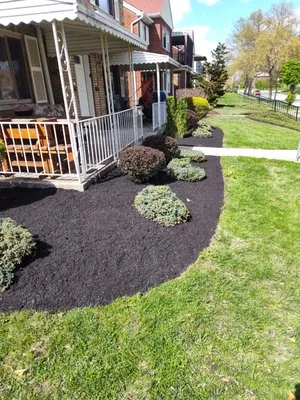
MM Lawncare Landscaping provides reliable, expert lawn services to homeowners across Cincinnati, OH. We understand the unique challenges Cincinnati lawns face, including persistent lawn fungus disease...

Pure Integrity Lawn Care is a family-owned lawn service in Goshen, OH, dedicated to providing reliable lawn care and landscaping. We focus on delivering consistent results for local homeowners, from r...

Perfect Solutions is a Cincinnati-based company dedicated to keeping your property looking its best. We understand the common local challenges homeowners face, like dead lawn patches and malfunctionin...
Estimated Landscaping Service Costs in Pleasant Run, OH
Question Answers
Are concrete pavers or natural stone better than wood for a new patio?
Concrete pavers and natural sandstone offer superior longevity and require less maintenance than wood, which decays and requires sealing. In our Low Fire Wise rating zone, non-combustible hardscape materials like these also contribute to defensible space by creating a firebreak. Sandstone offers a unique aesthetic but may require more leveling. Pavers provide a uniform, permeable surface ideal for managing the site's runoff. Both are durable investments for the local climate.
How do I keep my lawn green without wasting water?
An ET-based, Wi-Fi-connected irrigation system is the technical solution. It automatically adjusts runtime by calculating daily evapotranspiration rates using local weather data. This prevents overwatering your Kentucky Bluegrass and Tall Fescue blend during cooler, humid periods. While Pleasant Run has no active water restrictions, this technology ensures you stay well within municipal water conservation guidelines, potentially reducing usage by 20-30%.
My yard floods after heavy rain. What's the fix?
Moderate runoff is common here due to the compacted, clay-heavy subsoil underlying the silt loam. Solutions must address permeability. For patios or walkways, using permeable concrete pavers or open-joint natural sandstone allows water to infiltrate. For turf areas, installing a French drain tied to a dry well is often necessary. These modifications help manage stormwater on-site, which may be required for compliance with Hamilton County's runoff standards for new hardscape.
What invasive species should I watch for, and how do I control them?
Common invasive alerts in this area include Japanese Knotweed, Garlic Mustard, and Callery Pear. Manual removal is effective for small infestations. For persistent perennial weeds, a targeted, systemic herbicide applied in the dormant season may be necessary. All treatments must follow Ohio's phosphorus application guidelines, avoiding fertilizer use during blackout dates to protect watersheds. Correct plant identification is crucial before any action.
What are lower-maintenance alternatives to my traditional grass lawn?
Transitioning sections of lawn to a native plant community is a forward-thinking strategy. Species like Purple Coneflower, Wild Bergamot, Butterfly Milkweed, and Little Bluestem are adapted to Zone 6a and require no fertilization, minimal watering, and only annual cutting. This reduces dependency on gas-powered mowers and blowers, aligning with evolving noise ordinances. It also creates critical habitat, supporting local biodiversity and pollinator populations.
Do I need a permit to regrade my yard or build a retaining wall?
Yes. Any significant grading or structural wall on a 0.32-acre lot typically requires a permit from the Hamilton County Building & Development department. They review plans for erosion control and compliance with drainage codes. Furthermore, the contractor performing this work must hold appropriate licensing through the Ohio Department of Agriculture for landscape and nursery work, which includes coverage for earthmoving. Always verify both the permit and the contractor's license before work begins.
How quickly can you respond to an emergency like a storm-damaged tree?
Our standard emergency response window is 20-30 minutes during peak hours. For a property in Pleasant Run Farm, our crew would stage near Pleasant Run Elementary School and take I-275 for direct access. We prioritize dispatch for hazards blocking driveways or threatening structures, coordinating with local utilities as required. All service vehicles are electric, compliant with the local 65 dB noise ordinance for early morning or late evening work.
Why does my soil seem so dense and lifeless?
Pleasant Run homes were built in the 1970s, giving the topsoil about 50 years to develop. The prevalent silt loam is naturally prone to compaction, especially under decades of standard lawn care. This creates a dense, clay-heavy subsoil layer that restricts root growth and water percolation. Annual core aeration and incorporating 2-3 inches of composted organic matter are essential to rebuild soil structure and biology.
