Top Landscaping Services in Parma Heights, OH, 44130 | Compare & Call

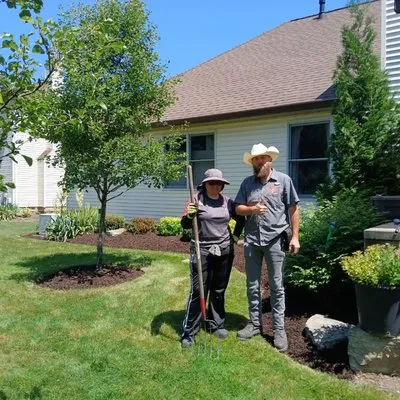
Landlord, LLC is a locally owned and operated property maintenance company based in Parma Heights, OH, serving the community since 2014. We specialize in a wide range of outdoor services, including tr...
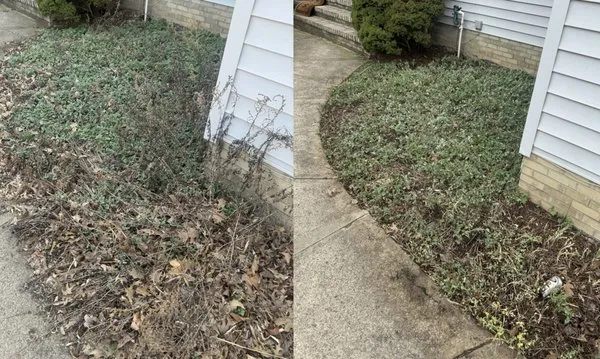
Pat's Grass & More is a trusted, full-service outdoor solutions company serving Parma Heights, Ohio, and the surrounding communities. We specialize in landscaping, junk removal, and snow removal, offe...

Landscaping By Greeney is a Parma Heights-based design-build firm with over two decades of experience serving homeowners across the Greater Cleveland area. We specialize in creating personalized, low-...
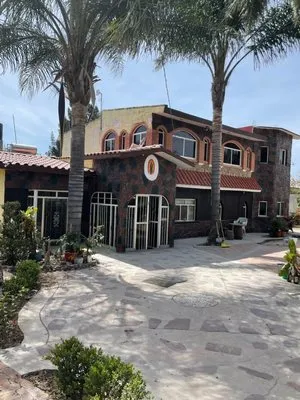
Parra’s Landscaping And General Construction
Parra’s Landscaping and General Construction, LLC brings over two decades of dedicated service to Parma Heights, founded on core principles of professionalism, commitment, diligence, and cost-effectiv...

Pristine Edge Landscape Maintenance & Design is a trusted local landscaping company serving Parma Heights, OH, and surrounding communities. We specialize in comprehensive landscape solutions tailored ...
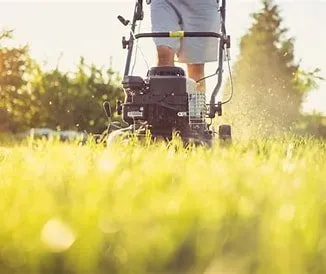
Omar Tayeh is the dedicated owner and operator of Tayeh Grass Cuts, a local lawn service in Parma Heights, OH. With over six years of hands-on experience, Omar built this business on a foundation of r...
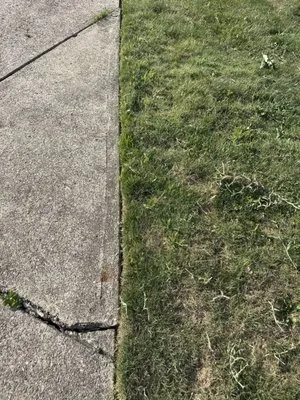
Urbs is The Word Landscaping is a Parma Heights-based landscaping business founded by Jack Urbanowicz, who has been honing his lawn care expertise since age 15. Starting with mowing, edging, and creat...
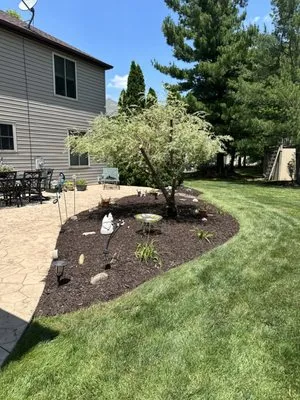
Roman Scapes LLC is a family-owned and operated lawn care and landscape company serving Parma Heights, Ohio, and the surrounding communities. As a local, family-run business, we understand the unique ...

Fire Cuts in Parma Heights, OH is a locally owned and operated lawn care service founded by Carlos Vega, a fire academy graduate with a passion for serving the community. Combining his dedication to h...
Bucks Family Property Maintenance is a trusted, family-owned landscaping provider serving Parma Heights, OH. We understand the specific challenges local homeowners face, including frustrating irrigati...
FAQs
Why does the soil in our yard feel so hard and dense, especially in Green Valley Estates?
Most Parma Heights homes were built around 1959, resulting in 67 years of soil compaction from construction and maintenance. Your Silty Clay Loam soil, common in this area, naturally has low permeability. Decades of foot traffic and traditional mowing have degraded soil structure, reducing pore space for air and water. Core aeration and incorporating 2-3 inches of composted organic matter are critical to rebuild soil biology and improve percolation.
We have an urgent HOA compliance notice for overgrowth. How quickly can you respond?
Emergency cleanup crews are dispatched within 2 hours. For Green Valley Estates, the primary route originates at Greenbrier Commons, proceeds south to I-480, and exits at Pearl Road. This logistics plan ensures a 20-30 minute arrival during peak hours. The crew will perform an initial assessment and begin mitigation immediately upon arrival to address the violation.
Our yard has persistent wet spots after rain. What's the long-term solution?
Moderate seasonal ponding is a known issue in Silty Clay Loam due to a dense clay subsurface layer. Solutions include installing a French drain system to intercept water or creating a rain garden with native wetland plants to absorb runoff. For new hardscape, specify permeable concrete pavers or local sandstone set with gravel joints. These materials increase infiltration and often help projects meet the Parma Heights Building Department's stormwater management standards.
Is there a lower-maintenance alternative to our current lawn that still looks good?
Transitioning high-input turf areas to a planting of native species like Purple Coneflower, Butterfly Milkweed, Wild Bergamot, and Little Bluestem significantly reduces resource demands. This xeriscape approach eliminates weekly mowing, frequent fertilization, and reduces irrigation needs by over 70%. It also future-proofs your landscape against evolving noise ordinances that may restrict gas-powered blowers and mowers, as native plant beds require minimal seasonal maintenance with electric tools.
Do we need a permit to regrade our backyard, and who is qualified to do the work?
Regrading a 0.22-acre lot that alters water flow or involves significant earth movement typically requires a permit from the Parma Heights Building Department. This work must be designed or supervised by a professional licensed by the Ohio Landscape Architect Board or a similarly credentialed contractor. Licensing ensures the professional understands soil mechanics, local drainage codes, and erosion control, preventing future structural damage to your property or neighboring lots in Green Valley Estates.
What invasive species should we watch for, and how are they treated safely?
In Parma Heights, primary invasive alerts are for Garlic Mustard, Japanese Knotweed, and Lesser Celandine. Manual removal is effective for small infestations before seed set. For larger issues, targeted, systemic herbicide application by a licensed professional is necessary, with strict adherence to the Ohio Department of Agriculture's guidance on phosphorus and chemical use near waterways. Treatments are timed outside of sensitive periods to protect local hydrology and comply with state fertilizer ordinances.
We're considering a new patio. Are concrete pavers or wood decking better for longevity?
Concrete pavers and local sandstone offer superior longevity and lower lifetime maintenance than wood. Properly installed on a compacted gravel base with polymeric sand, these materials can last 25+ years with minimal upkeep. While the local Fire Wise rating is low, using non-combustible hardscape materials like stone or pavers contributes to defensible space principles. They also provide better permeability than solid concrete, aiding in site drainage.
How do we keep our Kentucky Bluegrass and Tall Fescue lawn healthy without wasting water?
Smart Wi-Fi ET-based irrigation controllers are the standard for efficiency. These systems use local weather data to apply water only when evapotranspiration rates indicate a need, typically reducing usage by 20-30%. While Parma Heights has no formal restrictions, this technology aligns with conservation guidelines by preventing overwatering. Properly calibrated, it maintains turf health by delivering deep, infrequent watering that encourages drought-resistant root growth.
