Top Landscaping Services in Park Layne, OH, 45341 | Compare & Call
There are 187 landscaping companies server in Park Layne OH
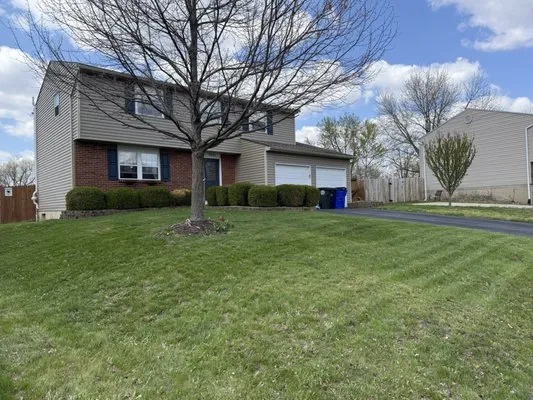
Sunnyside Lawncare is a locally owned and operated service in Huber Heights, founded by a brother-and-sister team. Their inspiration came directly from a personal challenge: when one of the founders n...
As a locally owned and operated lawn care provider, Wright Way Lawn Care is deeply rooted in the Dayton community. For over 40 years, founder John Wright has personally cared for thousands of resident...
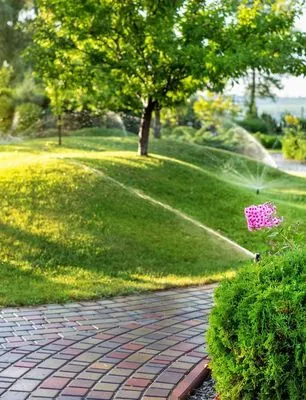
Turf and Trim Lawn Care is a locally owned and operated lawn care company serving homeowners in Dayton and Huber Heights, Ohio. We understand the unique challenges of local yards, from seasonal lawn d...
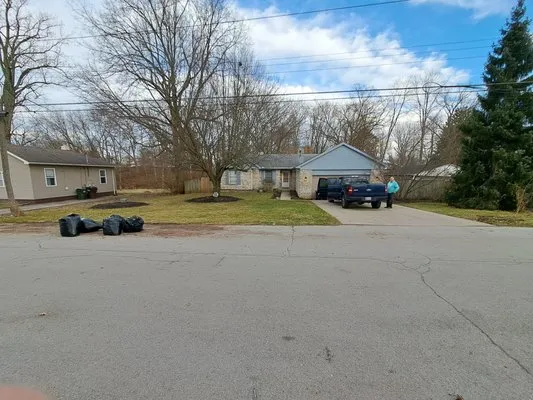
Leafline Lawn Services is a locally owned and operated business in Moraine, OH, founded by a passionate entrepreneur who started cutting grass at age 7 and turned that lifelong dedication into a profe...
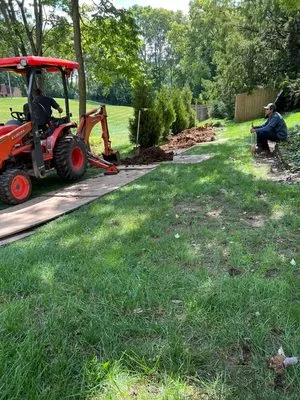
Sorta Pro is a Dayton, OH landscaping company built on a foundation of trust and genuine care. We're more than just landscapers; we're your neighbors, dedicated to transforming your outdoor space with...
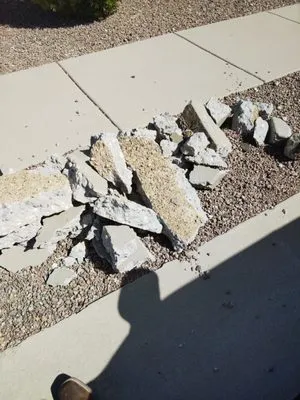
Austin's Lawn Care Services is a full-service landscaping company serving Miamisburg, OH, and the surrounding areas. We specialize in transforming and maintaining outdoor spaces, offering everything f...
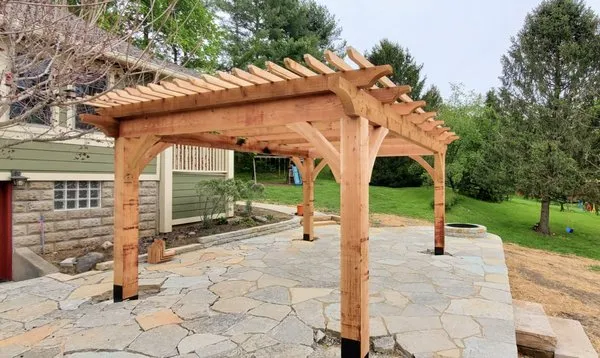
Creative Landscape & Patio Design
Creative Landscape & Patio Design is a family-owned landscaping company serving Dayton, OH, and the surrounding areas from its base in Centerville. With over 30 years of experience, we specialize in t...
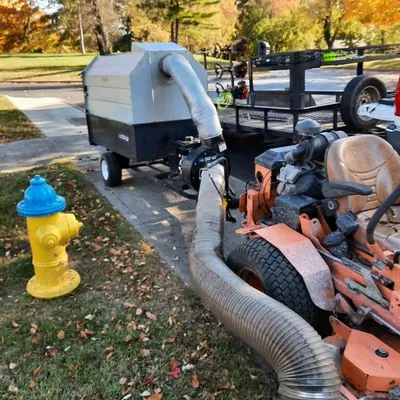
Kearney's Landscaping Co has been a trusted name in southwest Ohio since 1993, providing reliable lawn and landscaping services to the Lebanon community. Our team specializes in comprehensive landscap...

ARO Landscaping
ARO Landscaping is a Brookville-based company founded in 2017, carrying forward the legacy of Denlinger Landscaping which served the community since 1968. Owner and operator Aaron Osswald, a Brookvill...
L3 Lawn and Landscaping is a Dayton-based company with over two decades of experience providing reliable, year-round outdoor care. We specialize in creating and maintaining healthy landscapes for both...
Estimated Landscaping Service Costs in Park Layne, OH
Question Answers
Why does my yard in Park Layne Estates seem to drain so poorly, and why does the soil look so tired?
Homes built in the 1960s, like yours, have soil with a 60-year development history. The underlying Miamian-Celina silt loam has a dense clay subsoil that compacts over decades, restricting root growth and water infiltration. This leads to the seasonal ponding you observe. Core aeration and the addition of composted organic matter are essential to rebuild soil structure and improve percolation for long-term health.
I'm building a new patio. Are concrete pavers a better long-term choice than wood?
For longevity and reduced maintenance, concrete pavers are superior to wood in our climate. They resist frost heave, do not rot, and have a lifespan exceeding 25 years. From a safety perspective, their non-combustible nature contributes to defensible space, which is a consideration even in Park Layne's low Fire Wise rating zone. Properly installed with a permeable base, they also mitigate the local drainage hazard.
I want to regrade part of my quarter-acre lot to fix drainage. Do I need a permit or a special contractor?
Yes. Any significant earthmoving or grading that alters water flow requires a review by the Clark County Community Development Department. For design and oversight, ensure your contractor holds appropriate licensing from the Ohio Department of Agriculture Landscape Architect Board. On a 0.25-acre lot, improper grading can adversely affect neighboring properties, making professional, permitted work not just a legal requirement but a critical neighborly responsibility.
If a storm brings down a tree limb and my HOA issues a compliance notice, how fast can you respond?
An emergency cleanup crew can typically be dispatched within an hour. Our routing from Park Layne Elementary School to Park Layne Estates utilizes I-70, allowing for an estimated arrival of 20-30 minutes during peak hours. We coordinate with local utilities for safety and prioritize clearing access lanes and hazardous debris to meet compliance deadlines.
I've spotted what looks like Japanese Knotweed. How do I deal with it without harming my other plants?
Japanese Knotweed is a high-priority invasive requiring immediate, multi-year management. Manual removal is often insufficient due to its rhizome network. A targeted, foliar herbicide application by a licensed professional in late summer or early fall is most effective. This timing aligns with plant physiology for maximum uptake and avoids the state-recommended nitrogen application blackout periods, ensuring treatment is both safe and compliant.
Should I worry about water restrictions for my Kentucky Bluegrass lawn this summer?
Park Layne is currently under Stage 0 water restrictions, but proactive conservation is key. A properly calibrated, smart Wi-Fi ET-based irrigation system uses local weather data to apply water only when needed, matching evapotranspiration rates. This technology can maintain turf health while reducing total water use by up to 30%, keeping you well within any future municipal limits and preserving soil moisture.
My backyard has a low spot that turns into a pond every spring. What's the best permanent fix?
Moderate seasonal ponding is a common issue here due to the poor infiltration of our clay subsoil. A tiered solution often works best: first, install a French drain or dry well in the problem area to capture subsurface water. For new surfaces, specify permeable concrete pavers or an open-graded crushed limestone base. These materials meet Clark County runoff standards by allowing water to percolate into the ground rather than contributing to stormwater overload.
I'm tired of weekly mowing and gas-powered noise. What's a quieter, lower-maintenance alternative?
Transitioning to a xeriscape or native plant garden significantly reduces maintenance. Species like Purple Coneflower, Butterfly Milkweed, and Little Bluestem are adapted to Zone 6a, requiring no irrigation once established and no weekly mowing. This shift aligns with evolving noise ordinances restricting gas blowers and mowers, allowing for quieter, electric maintenance while providing critical habitat and advancing 2026 biodiversity goals.
