Top Landscaping Services in Painesville, OH, 44045 | Compare & Call
There are 198 landscaping companies server in Painesville OH
TGIF Lawn Maintenance & Landscaping is your local Painesville expert dedicated to transforming and maintaining beautiful, healthy outdoor spaces. We understand the common landscaping challenges in our...
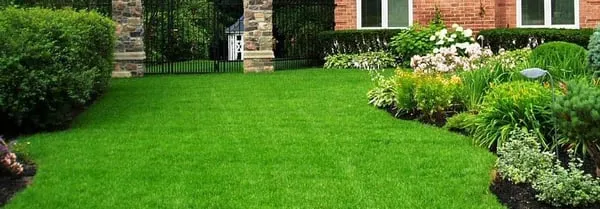
Guillen Landscaping is a Painesville-based landscaping and masonry contractor serving homeowners throughout Lake County. We specialize in comprehensive outdoor solutions including driveway installatio...

Flores Brothers Landscaping is a trusted, family-owned business serving Painesville, OH, with reliable snow removal and landscaping services. We understand the unique challenges of our local climate a...
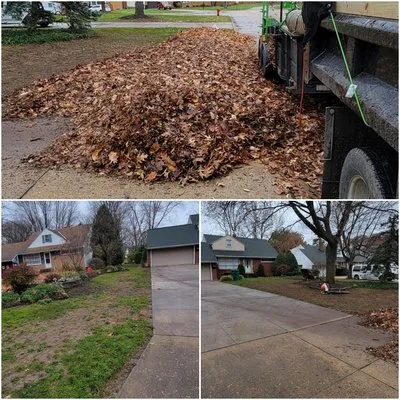
NextLeveLandscape has been providing Painesville, OH with reliable and professional landscaping services for years. We're known for a straightforward approach that prioritizes quality work, clear comm...
Imperial Lawncare and Qualiti Stone in Painesville, OH, is your local landscaping partner dedicated to solving common homeowner challenges like lawn fungus disease and insect damage. We provide compre...
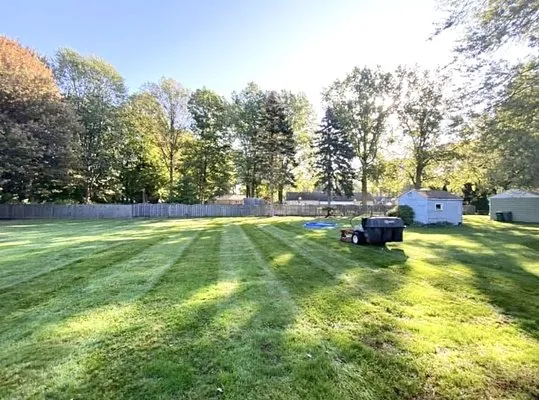
J & C Landscaping is a trusted, family-owned landscaping company dedicated to serving the Painesville, OH community. We understand the common local lawn challenges, including bare patches and moss gro...
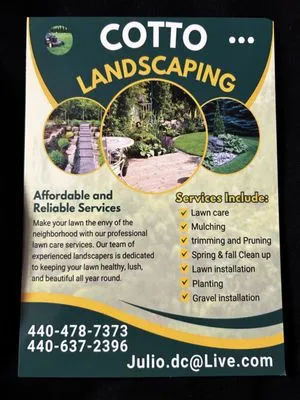
Cottos Landscaping is your trusted, local expert for comprehensive lawn and tree care in Painesville, OH. We understand the unique challenges of our local landscape, including persistent mulch bed wee...
Flores Landscaping & Nursery
Flores Landscaping & Nursery is a trusted Painesville, OH business specializing in landscaping, masonry/concrete, and tree services. We help local homeowners and businesses maintain healthy, beautiful...
Hands on Landscape & Design is a Painesville, OH-based landscaping and design company specializing in creating beautiful, functional outdoor spaces. We understand the common local challenges homeowner...
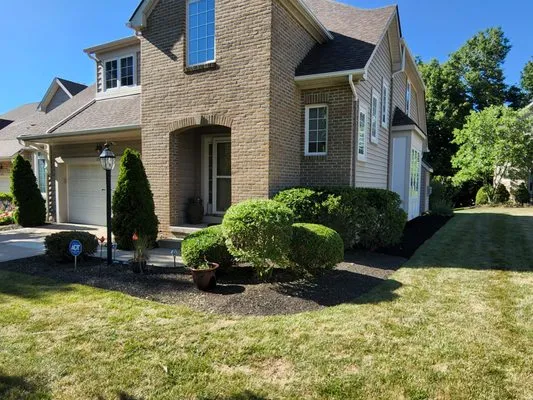
R&G Lawn Care is a Painesville-based landscaping and irrigation company serving homeowners and businesses throughout Lake County. We specialize in comprehensive outdoor solutions including landscape d...
Estimated Landscaping Service Costs in Painesville, OH
Question Answers
Should I install smart irrigation with no current water restrictions?
Smart Wi-Fi soil-moisture controllers optimize water use despite Painesville's standard supply status. These systems calculate evapotranspiration rates to deliver precise irrigation only when turfgrass needs moisture. This preserves Kentucky bluegrass health while reducing municipal water consumption by 30-50% compared to timer-based systems. Proactive installation prepares for potential future restrictions as climate patterns shift.
Are sandstone pavers better than wood for patio longevity?
Sandstone pavers offer superior durability with a 50+ year lifespan compared to wood's 15-25 year expectancy in Ohio's freeze-thaw cycles. Their non-combustible nature supports Low Fire Wise ratings by creating defensible space around structures. Properly installed with polymeric sand joints, sandstone requires minimal maintenance while providing stable footing. This material choice aligns with sustainable landscape infrastructure principles.
Can native plants reduce my landscape maintenance needs?
Transitioning high-maintenance turf to Purple Coneflower, Butterfly Milkweed, Wild Bergamot, and Little Bluestem creates resilient ecosystems. These natives require no weekly mowing, minimal irrigation, and support 2026 biodiversity standards. Electric maintenance equipment for native beds operates quietly within 7 AM-9 PM noise ordinances. This approach reduces fuel consumption while providing seasonal interest from spring through fall.
Why does my Painesville lawn have drainage issues and compacted soil?
Downtown Painesville properties built around 1968 have soil that has matured for approximately 58 years. Silty clay loam soils in this neighborhood naturally compact over decades, reducing permeability and creating seasonal ponding. Core aeration with organic amendments like compost improves soil structure by increasing pore space for water movement. This addresses the high clay content that restricts root growth in Kentucky bluegrass and tall fescue blends.
How do I control invasive species without chemical runoff?
Japanese knotweed and garlic mustard pose risks in USDA Zone 6b and require targeted treatment before seed set. Manual removal combined with spot-applied organic herbicides avoids phosphorus runoff prohibited by state restrictions. Treatment timing considers soil temperature and precipitation forecasts to prevent chemical migration. Healthy native plant communities naturally resist invasion through competitive exclusion.
How quickly can you respond to storm damage for HOA compliance?
Emergency cleanup crews dispatch from Painesville Square via OH-2 with a 15-20 minute peak response time. This routing prioritizes arterial roads to bypass downtown congestion during weather events. Teams carry electric chainsaws and chippers that comply with standard noise limits for rapid debris removal. The schedule accommodates immediate assessment of fallen branches affecting property lines or public sidewalks.
What permits and licenses are needed for grading my property?
Grading work on 0.22-acre lots requires erosion control permits from the Painesville Planning and Zoning Department. The Ohio Department of Agriculture Landscape Architect Board licenses professionals for significant earth moving that alters drainage patterns. Licensed contractors carry insurance for subsurface utility protection and soil stabilization. Proper documentation ensures compliance with municipal codes regarding stormwater management and property line considerations.
What solutions prevent ponding in my clay-heavy yard?
Moderate seasonal ponding in silty clay loam requires subsurface drainage systems with permeable base materials. Sandstone pavers installed with open-graded aggregate beds allow water infiltration while meeting Painesville Planning and Zoning Department runoff standards. French drains connected to dry wells redirect surface water away from foundations. These systems work with the soil's natural percolation rate rather than against it.
