Top Landscaping Services in Oxford, OH, 45056 | Compare & Call

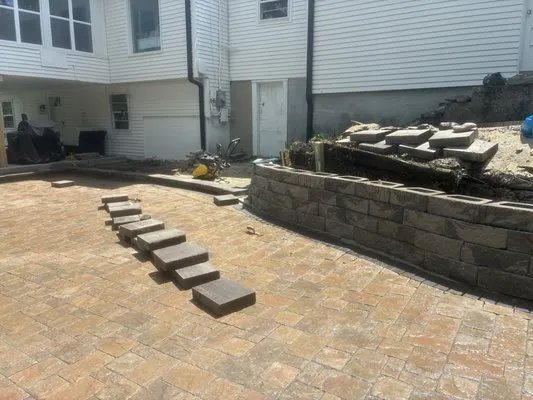
Powell's Landshaping in Oxford, OH, is a locally owned landscaping and hardscaping company with over 20 years of experience transforming outdoor spaces. Founded by Cody Powell, the business specialize...
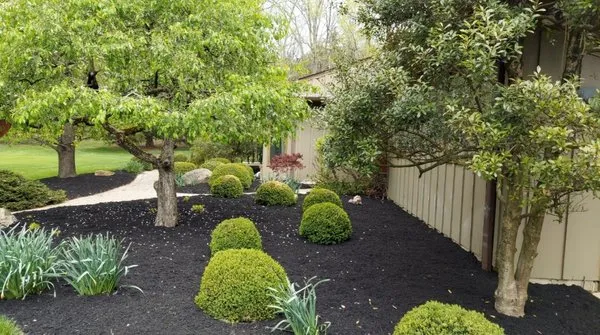
Thick Of It in Oxford, OH, is a dedicated landscape design and construction firm serving the local community. We believe in creating and maintaining outdoor spaces that are both beautiful and function...
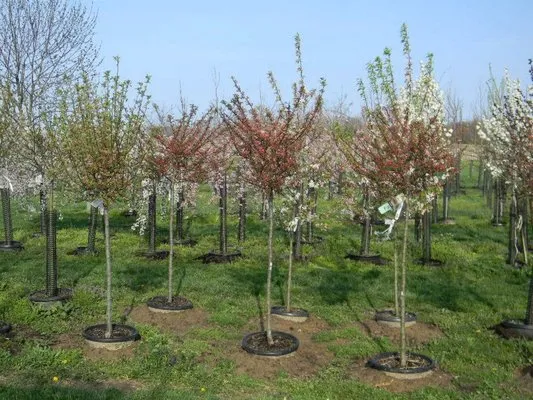
Shademakers Nursery & Landscape
Since 1991, Shademakers Nursery & Landscape has been a trusted, family-owned resource for homeowners in Oxford, Ohio, and the surrounding communities. We've built our reputation on a foundation of dee...

M & M Land Designs is a full-service landscape architecture and construction firm serving Oxford, OH. With over 60 combined years of experience and team members holding degrees in Landscape Architectu...
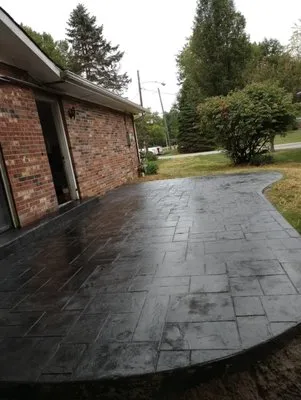
Shea's Land Services is your trusted Oxford partner for transforming and maintaining your property. We specialize in a full spectrum of solutions, from foundational excavation and earthmoving to compl...
Morning Sun Lawns is a locally owned and operated property services business serving Oxford, Hamilton, Fairfield, and surrounding communities. With nearly three decades of experience in lawn care and ...
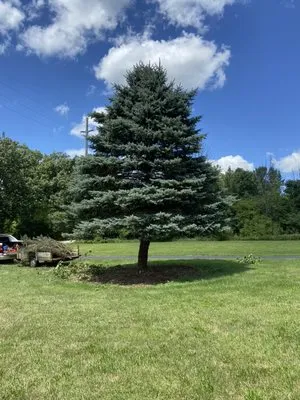
Reedeliver Services provides dependable lawn and tree care for Oxford, OH residents. We handle a wide range of tasks, from routine lawn mowing, edging, and weed control to comprehensive tree services ...
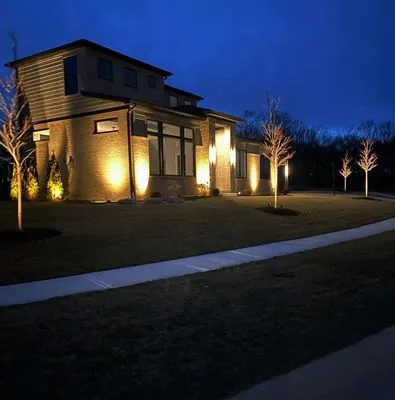
Solution Lawn Care and Landscaping is a trusted team of landscape, hardscape, and drainage specialists serving Oxford, OH. We transform front and backyard visions into reality with meticulous attentio...
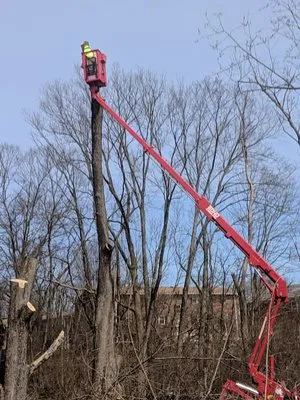
Songbird Environmental is your trusted local partner for tree care and landscaping in Oxford, Ohio. We specialize in comprehensive solutions for the common issues Oxford homeowners face, such as poor ...
Shademakers Garden Center
Shademakers Garden Center has been a trusted resource for Oxford residents since 1991, offering expert guidance and quality products for all gardening and landscaping needs. As a local family-owned bu...
Common Questions
My yard holds water after rain. What's a long-term fix?
Seasonal ponding is common with Blount-Pewamo soils due to their high clay content and slow percolation. Beyond regrading, installing French drains or dry creek beds can redirect surface flow. For hardscape projects, using permeable clay pavers is highly effective; they allow stormwater infiltration, reduce runoff, and help meet Oxford Planning & Zoning Department standards for on-site water management. These solutions address the symptom while improving the underlying soil hydrology.
How quickly can you respond to an emergency storm cleanup?
For urgent HOA compliance or safety issues like downed limbs, our dispatch from the Miami University Academic Quad area allows for a 20-30 minute peak response time to most Uptown locations. Routing is optimized via US-27 and local arterials. Our electric maintenance fleet operates within Oxford's noise ordinance, permitting early morning or late evening work with minimal disruption. We prioritize triage for hazards blocking driveways or creating fall risks on pedestrian pathways.
Are permeable clay pavers a better choice than wood for a patio?
For longevity and ecological function in Oxford, permeable clay pavers outperform wood. They offer superior durability against freeze-thaw cycles, require no sealing or staining, and their inherent permeability manages stormwater runoff. While wood decks require regular maintenance and have a shorter lifespan, clay pavers provide a permanent, stable surface. In a low Fire Wise urban setting, they also contribute to defensible space by being non-combustible.
How do I keep my lawn green without wasting water?
Smart Wi-Fi ET-based irrigation controllers are the standard for water conservation in Oxford. These systems use local weather data to apply water only when needed, replacing a fixed schedule. For a Kentucky Bluegrass and Tall Fescue blend, this typically means deeper, less frequent watering cycles that encourage drought-tolerant root growth. This technology maintains turf health while staying well within municipal water conservation guidelines, even without formal restrictions.
What invasive species should I watch for, and how do I control them?
In Oxford's Zone 6a, watch for aggressive perennials like Garlic Mustard and Japanese Knotweed, which outcompete natives. Manual removal is effective for small infestations; for larger issues, targeted, phosphorus-free herbicide applications are necessary. Always adhere to the local ordinance prohibiting phosphorus near waterways. Treatment timing is critical—early spring or late fall—to maximize efficacy and minimize impact on desirable plants.
What permits and licenses are needed for a backyard grading project?
Significant grading or earthmoving on a 0.22-acre lot typically requires a permit from the Oxford Planning & Zoning Department to ensure compliance with erosion control and drainage ordinances. The contractor must hold appropriate licensing through the Ohio Department of Agriculture for landscaping or a related classification. This ensures they are bonded, insured, and knowledgeable about local soil and water regulations, protecting you from liability and substandard work.
What's a lower-maintenance alternative to my traditional lawn?
Transitioning high-input turf areas to a xeriscape or native planting bed significantly reduces water, mowing, and chemical needs. A matrix of Ohio natives like Purple Coneflower, Little Bluestem, and Butterfly Milkweed establishes deep roots, supports local pollinators, and requires no fertilization. This approach future-proofs your landscape against evolving noise ordinances, as it eliminates the need for frequent gas-powered blower use on leaf litter.
Why is my Uptown Oxford soil so dense and poor?
Properties in neighborhoods developed around 1986, like many here, often have compacted Blount-Pewamo Silt Loam subsoil brought to the surface during construction. This soil, with its high clay fraction, matures slowly; 40 years is insufficient for robust topsoil development without intervention. The primary issues are low permeability and poor organic matter content, leading to seasonal ponding. Core aeration and incorporating 2-3 inches of composted leaf humus are essential to rebuild soil structure and support healthy turf or native plantings.
