Top Landscaping Services in Ottawa Hills, OH, 43606 | Compare & Call


Cummings Floralscaping is a dedicated landscaping company serving Ottawa Hills, OH, specializing in creating beautiful, functional outdoor spaces tailored to the local environment. We understand the c...
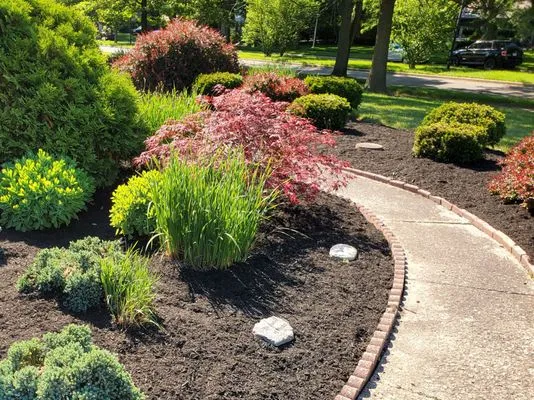
OH Home And Lawn is a locally owned landscaping and handyman service based in Ottawa Hills, OH, serving the greater Toledo area since 2019. We specialize in comprehensive lawn care and landscaping sol...

GBL Investment & Construction is an Ottawa Hills-based company with over eight years of dedicated experience serving homeowners and investors in the local Ohio market. We specialize in transforming pr...
Question Answers
Why does my Ottawa Hills lawn struggle with compaction and poor drainage?
Ottawa Hills homes built around 1956 have 70-year-old landscapes with mature Blount-Pewamo clay loam soil. This soil type naturally compacts over decades, reducing permeability and oxygen availability to roots. Core aeration every 2-3 years with organic amendments like composted leaf mold addresses this historical compaction. The Village Center neighborhood's consistent soil profile means most properties benefit from similar soil health protocols.
How should I manage invasive species without using restricted fertilizers?
Identify common Ottawa Hills invasives like garlic mustard or Japanese knotweed early for mechanical removal before seed set. Ohio's phosphorus-free fertilizer law requires targeted applications only during active growth periods, avoiding blackout dates in late fall. For persistent infestations, spot treatments with EPA-approved herbicides applied by licensed professionals prevent soil contamination while protecting native plant communities.
What permits and licenses are needed for landscape grading work?
Grading projects on Ottawa Hills' typical 0.50-acre lots require Village Building Department permits for soil disturbance exceeding 100 square feet. The Ohio Landscape Architects Board licenses professionals for grading designs that impact drainage patterns or structural foundations. This licensing ensures compliance with state erosion control standards and protects against downstream water quality issues.
What solutions exist for seasonal water logging in my yard?
Blount-Pewamo clay loam's high clay content causes poor percolation and seasonal water accumulation. Installing permeable pavers or natural flagstone hardscapes with gravel bases creates subsurface drainage channels. These systems meet Village of Ottawa Hills Building Department runoff standards by increasing infiltration rates while directing water away from foundation areas.
Why choose natural stone over wood for patios and walkways?
Natural flagstone and permeable pavers offer 30+ year lifespans versus wood's 10-15 year replacement cycle in Ottawa Hills' Zone 6b climate. These materials maintain structural integrity through freeze-thaw cycles while providing non-combustible surfaces that support the community's Low Fire Wise rating. Their thermal mass also moderates microclimate temperatures better than wood decking.
How do I maintain my Kentucky Bluegrass lawn during Stage 1 water restrictions?
Wi-Fi ET-based weather sensing irrigation systems automatically adjust watering schedules using real-time evapotranspiration data. This technology reduces water use by 20-30% while preserving turf health during Ottawa Hills' voluntary conservation periods. Programming deep, infrequent watering cycles at optimal times maintains root depth in clay loam soils without exceeding municipal water guidelines.
How quickly can you respond to an emergency tree cleanup after a storm?
Emergency storm response from our Ottawa Hills Village Center base reaches most properties within 20-30 minutes during peak conditions. We route via Ottawa Hills Elementary School to I-475 for efficient access across the municipality. This timing accommodates both safety protocols and HOA compliance requirements for prompt debris removal following weather events.
Can I reduce lawn maintenance while supporting local ecology?
Replacing high-maintenance turf areas with native plantings like Purple Coneflower, Switchgrass, and Serviceberry creates resilient, low-input landscapes. These species require minimal watering and no gas-powered equipment, aligning with Ottawa Hills' 8:00 PM noise ordinance restrictions. Native plant communities also support 2026 biodiversity standards through pollinator habitat and reduced chemical inputs.
