Top Landscaping Services in Ontario, OH, 44862 | Compare & Call

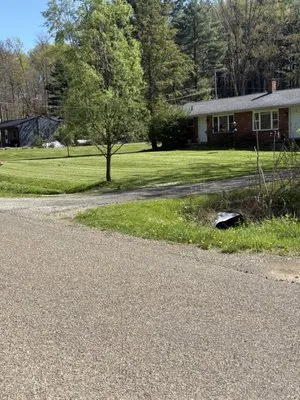
Grass Monkeys Lawncare is a family-owned and operated lawn service business proudly serving the Ontario, OH community. We focus on providing reliable, high-quality lawn care with exceptional customer ...
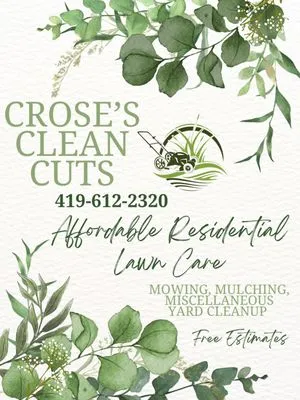
Crose's Clean Cuts is a trusted, locally-owned lawn care provider serving homeowners throughout Ontario, OH. We specialize in comprehensive lawn care services designed to tackle common local landscapi...
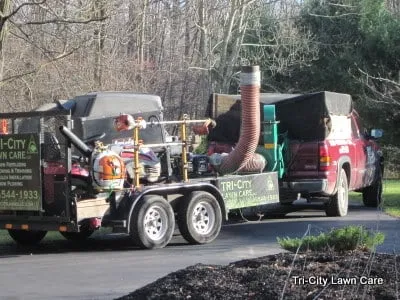
Hi, I'm Matthew Breedlove, the owner and founder of Tri-City Lawn Care. We started this business right here in Richland County back in 2009, and I'm proud to say we've been growing steady and strong e...
Thompson Elite Lawn Care is a dedicated lawn service provider serving the Ontario, OH community. We understand the unique challenges local homeowners face, from landscape edging damage that disrupts y...
Buckeye Property Cleanup is a veteran-owned and operated business serving Ontario, OH, and surrounding Ohio communities. As a certified SDVOB, we bring disciplined professionalism to every job, offeri...

Shafer Landscape Nursery has been a trusted local resource for Ontario, OH, and the greater Mansfield area since 1950. We specialize in creating and maintaining beautiful, healthy outdoor spaces, offe...
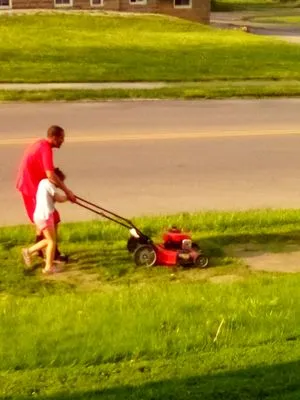
Derrick and Son is a trusted, family-owned lawn care provider serving Ontario, OH, and the surrounding communities. We specialize in comprehensive lawn care services designed to keep your property hea...
B Hall Mowing provides dedicated lawn care services for homeowners in Ontario, OH. We understand the local challenges, like patchy grass and dying shrubs, which often result from Ohio's variable clima...
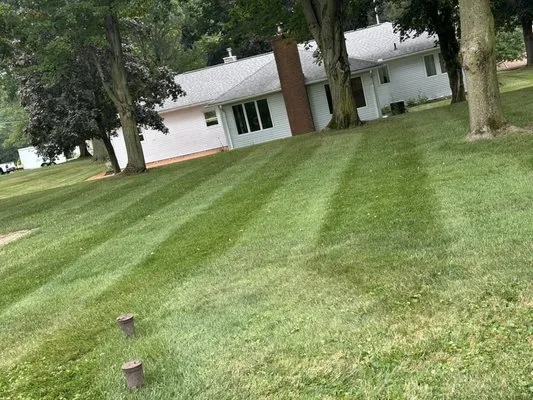
Scot's Handyman Lawn and Landscape Services is your trusted local partner for keeping your Ontario, OH property beautiful and well-maintained. We specialize in comprehensive lawn care, tackling common...
Deans Trees & Landscaping is a trusted, local Ontario company dedicated to keeping your property healthy and beautiful. We understand that local homeowners often face specific challenges like irrigati...
Frequently Asked Questions
What certifications should I verify before hiring for grading work on my 0.35-acre lot?
The Ontario Building and Zoning Department requires engineered grading plans for soil movement exceeding 50 cubic yards on residential properties. Ohio Landscape Industry Association licensing ensures contractors understand silt loam's erosion coefficients and compaction specifications. Unlicensed regrading often creates drainage violations by altering natural water flow across property lines. Always request OLIA certification numbers and proof of liability insurance covering subsurface utility damage during excavation operations.
Can smart irrigation really maintain Kentucky Bluegrass during dry spells without violating water guidelines?
Wi-Fi weather-based controllers reference real-time evapotranspiration data to deliver precise hydration matching turfgrass needs. These systems reduce Kentucky Bluegrass and Tall Fescue watering by 30-40% compared to traditional timers while preventing dormancy. Voluntary conservation standards are easily met through cycle-soak programming that prioritizes early morning applications when soil absorption rates peak. Advanced models integrate soil moisture sensors to bypass scheduled watering after rainfall events.
How do I manage invasive species without harming nearby waterways?
Japanese knotweed and garlic mustard require targeted glyphosate applications during fall translocation periods, avoiding spring phosphorus restrictions near drainage corridors. Ohio's fertilizer ordinance prohibits runoff-prone broadcast treatments within 20 feet of water features. Manual removal before seed set combined with pre-emergent corn gluten applications creates effective cultural controls. Always coordinate with OLIA-certified professionals for herbicide selections that break down before reaching groundwater tables.
What solutions prevent seasonal ponding in my backyard's low spots?
Silt loam's moderate drainage capacity requires graded swales directing water away from clay pocket accumulation zones. Permeable paver systems or crushed limestone pathways increase surface infiltration rates by 60-80% compared to solid concrete. The Ontario Building and Zoning Department requires drainage plans demonstrating runoff reduction for hardscape projects exceeding 100 square feet. French drains with clean gravel beds provide subsurface relief where grading alone proves insufficient.
Are concrete pavers better than wood for durable, low-risk outdoor spaces?
Interlocking concrete pavers withstand freeze-thaw cycles for 25+ years without the decay, insect damage, or combustion risks of wooden structures. Their non-combustible nature supports Ontario's low Firewise rating by maintaining defensible space during drought periods. Crushed limestone bases provide 98% compaction rates while allowing stormwater infiltration that meets modern permeability standards. Unlike wood, these materials require no chemical treatments that leach into surrounding planting beds.
Should I replace high-maintenance turf with native plants given upcoming equipment regulations?
Transitioning to Purple Coneflower, Butterfly Milkweed, and Little Bluestem meadows reduces mowing frequency from weekly to twice annually while providing continuous pollinator habitat. Electric maintenance fleets operate quietly within 9 PM-7 AM noise restrictions, but native plantings eliminate gas-blower dependency entirely. These deep-rooted perennials access subsoil moisture, cutting irrigation demands by 75% while stabilizing slopes better than shallow turfgrass root systems.
How quickly can you address storm-damaged trees before HOA compliance deadlines?
Emergency cleanup crews dispatch from Ontario Community Park using US-30 for direct arterial access, maintaining 20-30 minute response times during peak conditions. We prioritize safety assessments and debris removal within noise ordinance windows (7 AM-9 PM) using electric chippers to minimize disturbance. For HOA violations, documentation of hazardous limbs and staged removal plans typically satisfies compliance officers when submitted within 48 hours of incident reports.
Why does my Ontario Estates lawn struggle with compaction despite regular care?
Ontario Estates homes built around 1980 have 46-year-old soil profiles where decades of foot traffic and conventional maintenance have degraded silt loam structure. This soil type naturally compacts in clay pockets, reducing permeability below the optimal 6.2-6.8 pH range. Core aeration every 2-3 years introduces oxygen channels while incorporating composted organic matter rebuilds aggregate stability. Mature landscapes require these interventions to support root penetration beyond the shallow topsoil layer common in neighborhood developments.
