Top Landscaping Services in Norton, OH, 44203 | Compare & Call


Nick's Landscaping of Ohio, LLC
Founded in 2001 by owner Nicholas Roth, Nick's Landscaping of Ohio, LLC has grown from a high school venture into a trusted Norton-based company serving the greater Akron area. Nick started the busine...
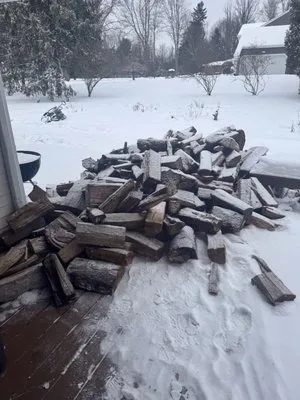
For over three decades, Linger Lumberjacks has been the trusted, local choice for tree and lawn care in Norton, Barberton, and surrounding Ohio communities. As a family-owned and operated business, we...
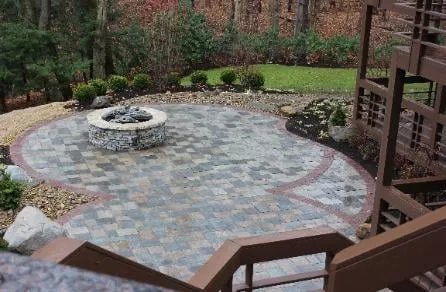
Lucas Landscaping & Nursery
Lucas Landscaping & Nursery has been a trusted part of the Norton community since 1948, building upon a family legacy of creating personalized outdoor environments. We specialize in bringing your visi...
Springtime Flowers in Norton, OH is a local landscaping and florist business dedicated to enhancing the beauty and functionality of residential outdoor spaces. Many Norton homes face common landscapin...
Moss Field Services is a veteran-owned, local business in Norton, OH, built on a foundation of integrity and a commitment to the community. We take pride in treating every project—whether it's a fresh...
Shaun's Home and Landscaping is a trusted local landscaping company serving Norton, Ohio. We specialize in comprehensive solutions for common area challenges, including storm debris cleanup and addres...

Impact Landscaping & Irrigation is your trusted, full-service landscaping partner in Norton, OH. We specialize in both the creative vision and the practical execution needed to build and maintain beau...
Hydro-Lawn Landscaping & Design is a licensed and insured landscaping company serving Norton, OH, with a team of horticultural experts dedicated to transforming outdoor spaces. We specialize in compre...
Scotts Lawnservice in Norton, OH, provides a straightforward, subscription-based approach to lawn care, offering residents a consistent and reliable maintenance plan. Their program is built around und...
John Makary And Sons Lawncare is a trusted, family-owned lawn service provider serving Norton, OH, and the surrounding communities. With deep roots in the area, we understand the unique challenges Nor...
Question Answers
Is it possible to have a green lawn in Norton without wasting a lot of water?
Yes, through precision irrigation. Modern smart Wi-Fi moisture sensor controllers are calibrated using local evapotranspiration (ET) data, applying water only when and where the soil moisture deficit requires it. This technology is critical for maintaining a Kentucky Bluegrass and Tall Fescue blend under voluntary conservation. It prevents overwatering, which is a primary cause of fungal disease and nutrient leaching in our silt loam soils.
Are concrete pavers a better choice than wood for a new patio?
Concrete pavers offer superior longevity and lower lifetime maintenance compared to wood, which requires regular sealing and is susceptible to rot. In our climate, pavers withstand freeze-thaw cycles effectively. From a Firewise perspective, their non-combustible nature contributes to defensible space in this low-risk urban/suburban interface zone. Crushed limestone pathways also provide a permeable, fire-resistant surface that complements the paver aesthetic.
What invasive species should I watch for, and how do I control them safely?
In Norton, be vigilant for invasive perennials like Japanese knotweed or wintercreeper euonymus. Eradication requires a targeted, multi-season approach. For many species, careful foliar application of a systemic herbicide in late growing season is most effective. Any treatment plan must strictly adhere to Ohio's statewide phosphorus application restrictions and avoid local blackout dates for fertilizer, ensuring nutrients are not applied when ground is frozen or to saturated soils.
If a storm drops a large limb, how quickly can a crew get here for an emergency cleanup?
For urgent situations like storm debris blocking a driveway, our standard protocol is a 20-30 minute dispatch during peak hours. Crews stationed near Columbia Woods Park can access the I-76 corridor, providing efficient routing to most Norton Center addresses. We prioritize safety hazards and can typically have a team on site to clear the immediate obstruction and begin processing debris within that window.
I want to reduce mowing, noise, and maintenance. What are my options?
Transitioning turf areas to a native plant community is a forward-looking strategy. Species like Purple Coneflower, Butterfly Milkweed, Wild Bergamot, and Little Bluestem are adapted to Zone 6a, requiring no irrigation once established and no weekly mowing. This shift reduces dependency on gas-powered equipment, aligning with evolving noise ordinances and creating a higher-biodiversity landscape that supports local pollinators and requires only seasonal management.
What do I need to know about permits and hiring for a backyard grading project?
Regulatory oversight is specific to the work scope. Significant regrading or drainage alterations on a 0.45-acre lot typically requires a permit from the City of Norton Planning and Zoning Department to ensure compliance with erosion control and runoff regulations. Design and supervision of such projects must be under the guidance of a professional licensed by the Ohio Department of Agriculture Landscape Architect Board, which guarantees expertise in soil mechanics, horticulture, and applicable codes.
Our backyard stays soggy long after it rains. What's the most effective long-term solution?
A seasonal high water table combined with poor infiltration in silt loam creates chronic wet areas. The solution involves improving subsurface drainage, often with strategically placed dry wells or French drains tied to a positive outlet. For new hardscapes, specifying permeable concrete pavers or open-graded crushed limestone bases can significantly increase on-site infiltration, helping projects meet the City of Norton Planning and Zoning Department's stormwater management standards.
My lawn in Norton Center has never looked right, even with fertilizer. Could the soil itself be the problem?
For homes built around 1964, the soil profile is over 60 years mature. In Norton's silt loam, decades of compaction from construction and routine maintenance have severely reduced permeability. This soil type is prone to forming a dense surface layer that restricts water and oxygen to grass roots. Core aeration followed by incorporating compost is essential to rebuild soil structure and correct the inherent drainage issues common in older neighborhoods.
