Top Landscaping Services in Newberry, OH, 45308 | Compare & Call
There are 185 landscaping companies server in Newberry OH
Bakers Best Landscaping is your trusted local expert for creating and maintaining healthy, beautiful outdoor spaces in Covington, Ohio. We understand the common challenges Covington properties face, s...
Area Tree Landscaping Services is your trusted local partner for comprehensive landscaping and general contracting in Sidney, OH. We understand the unique challenges Sidney homeowners face, from irrig...
Greener Pastures Lawn Care & Landscaping Co is a Troy, OH-based landscaping company dedicated to solving common local homeowner challenges. We specialize in addressing sprinkler coverage gaps and land...
Shields Lawn Tamers is your Troy, OH, neighbor for dependable landscaping solutions. We understand the common frustrations local homeowners face, like sprinkler system leaks that waste water and money...

Mann's Affordable Mowing is your trusted local lawn care partner in Sidney, Ohio. We understand that Sidney homeowners face common challenges like patchy grass and inefficient sprinkler systems, which...
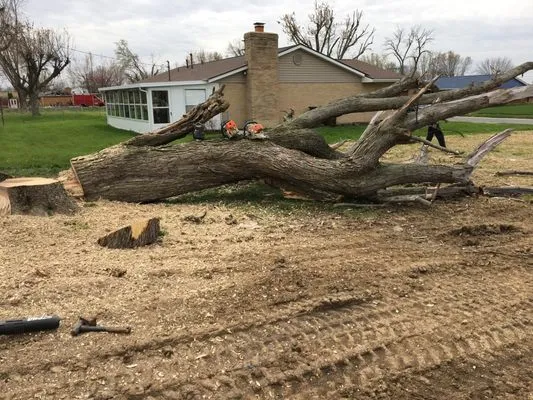
RSC Landscaping is your trusted local partner in Saint Paris, OH, dedicated to enhancing and protecting your outdoor spaces. We understand the common challenges homeowners face, such as dying shrubs a...

Wolf Property Services
Wolf Property Services is a trusted, locally-owned home services provider based in Englewood, OH, dedicated to enhancing and protecting your property year-round. We specialize in a comprehensive suite...
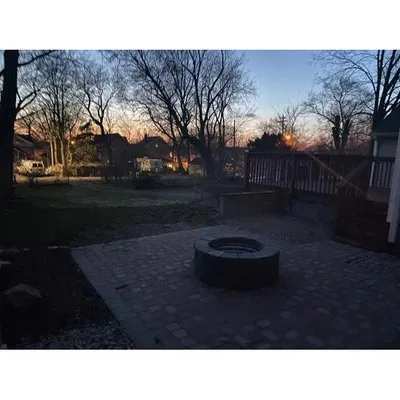
Granger Landscape is a Harveysburg-based business built from the ground up. Starting as a small homeowner operation, owner-operator Cody Granger learned the trade hands-on, gaining practical experienc...
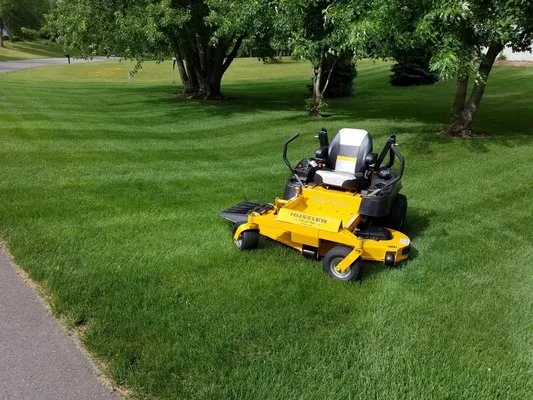
LBA Lawncare is your trusted local lawn service provider in Saint Paris, Ohio. We specialize in comprehensive lawn care, helping homeowners achieve and maintain a healthy, vibrant yard. We understand ...
Miles Mowing is a dedicated lawn care service based in Saint Paris, OH, focused on helping local homeowners achieve and maintain a healthy, resilient yard. We understand the specific challenges of the...
Estimated Landscaping Service Costs in Newberry, OH
Common Questions
Why do I need a licensed professional for regrading my 0.35-acre lot?
Regrading a 0.35-acre parcel alters water flow and can impact adjacent properties, requiring a permit from the Geauga County Department of Building & Development. A professional licensed by the Ohio Landscape Industry Association (OLIA) understands soil engineering, compaction standards, and erosion control. Their expertise ensures the work meets code, prevents drainage lawsuits, and protects your investment by creating a stable, legally compliant landform.
What invasive species should I watch for, and how do I treat them safely?
Proactive scouting for invasive species like Japanese Knotweed or Garlic Mustard is critical. Manual removal before seed set is most effective. For chemical control, use a targeted, phosphorus-free herbicide to comply with Ohio's restricted phosphorus ordinance on established turf. Always apply during calm, dry periods to prevent drift, and adhere to label rates. Integrating pre-emergent strategies in landscape beds prevents future infestations.
I need an emergency storm cleanup to meet HOA requirements. How quickly can a crew arrive?
For urgent HOA compliance, our dispatch from Newberry Town Square prioritizes your location. Crews travel via US-422, with a peak response window of 20-30 minutes. Our electric equipment fleet complies with local noise ordinances, allowing for immediate, quiet work upon arrival. We coordinate debris removal and site stabilization to restore property safety and appearance within the same service call.
My Newberry Village Center lawn has dense, compacted soil. What's the underlying cause for this?
Lots in Newberry Village Center, built around 1976, have approximately 50 years of soil maturation. The prevalent silt loam is prone to compaction from decades of foot traffic and standard maintenance, reducing pore space and oxygen for roots. This compaction severely limits water infiltration and nutrient availability. Core aeration in early fall, combined with top-dressing 1/4 inch of compost, will rebuild soil structure and microbial activity essential for healthy turf.
How can I maintain my Kentucky Bluegrass lawn under Newberry's voluntary water conservation?
Stage 1 voluntary conservation in Newberry aligns with smart irrigation management. A Wi-Fi ET-based system uses local weather data to apply water only when evapotranspiration rates indicate need, preventing overwatering. This technology can reduce irrigation volume by 20-30% while preserving turf health. Deep, infrequent watering cycles encourage deeper root growth in your Tall Fescue blend, enhancing drought resilience within municipal guidelines.
My yard has standing water after rain. What's a long-term solution for Newberry's high water table?
Seasonal high water tables and poor infiltration are common in Newberry's silt loam soils. Installing a French drain system tied to a dry well addresses subsurface saturation. For new hardscapes, specify permeable clay pavers; their joints allow stormwater to percolate into the subgrade, meeting Geauga County runoff standards. This combination manages surface and subsurface water, protecting your foundation and landscape integrity.
Are permeable clay pavers a better choice than wood for a new patio?
Permeable clay pavers offer superior longevity and functionality compared to wood. Their fired-clay composition resists frost heave and decay, providing a stable surface for decades. The permeability mitigates local runoff, a key consideration even in Newberry's low Fire Wise rating zone. While wood requires regular sealing and replacement, pavers maintain integrity with minimal maintenance, offering a better lifecycle value and consistent performance.
I want to reduce mowing and gas equipment noise. What are my options?
Transitioning high-maintenance turf to a native plant palette is a forward-looking solution. Species like Purple Coneflower, Butterfly Milkweed, and Little Bluestem are adapted to Zone 6a, requiring no irrigation once established and no weekly mowing. This shift creates habitat and aligns with evolving noise ordinances that restrict gas-powered blowers. A designed matrix of these natives provides year-round interest with minimal acoustic or carbon footprint.
