Top Landscaping Services in Newark, OH, 43023 | Compare & Call
There are 217 landscaping companies server in Newark OH
Buckeye Valley Home Services is your trusted, local partner for maintaining a beautiful and healthy property in Columbus, OH. We specialize in a full spectrum of exterior and interior care, from exper...
Patriot Lawn Care is a trusted local provider in Heath, OH, specializing in pressure washing, gutter services, and landscaping solutions. We understand that Heath homeowners frequently face challenges...

For over 25 years, WizFX has been a trusted general contractor serving Fredericktown and the surrounding communities. We specialize in a comprehensive range of services, from custom barn construction,...
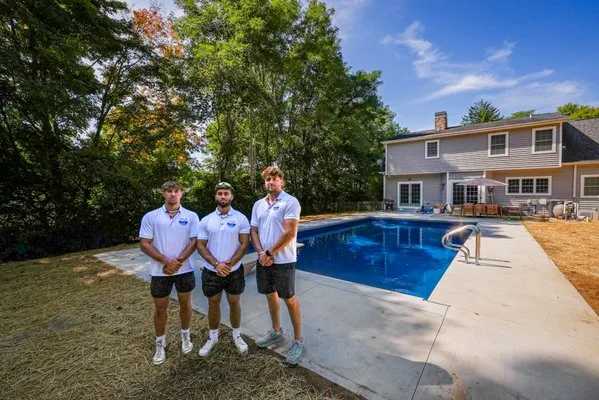
The Premier Pool
The Premier Pool Co. in Johnstown, OH, is a licensed and insured pool service company specializing in custom pool construction, including vinyl liner, fiberglass, and shipping container pools, as well...
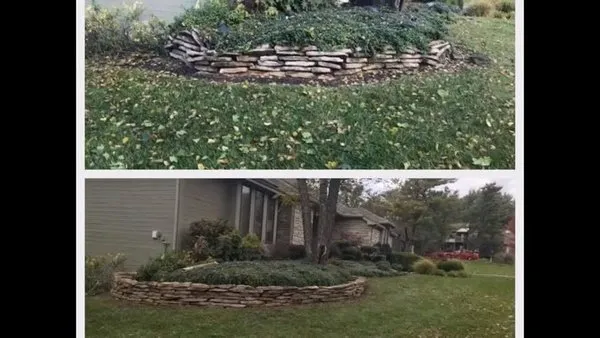
Kneisleyscape is a trusted lawn and tree service provider serving Johnstown, OH, and the surrounding communities. We specialize in comprehensive lawn care and professional tree services, including tre...
Eastern Sky Landscaping is a family-owned and -operated business serving Mount Vernon, OH, and Central Ohio since 1999. We specialize in comprehensive landscape and hardscape design and construction f...
Irvin Lawns is a family-owned landscaping company serving Hebron, OH, and the surrounding areas. Specializing in lawn mowing, spring and fall cleanups, shrub trimming, and mulch and stone installation...
Estimated Landscaping Service Costs in Newark, OH
FAQs
Why does my Highland Park lawn have such poor drainage and compacted soil?
Newark's Highland Park neighborhood was developed around 1964, giving your silt loam soil approximately 62 years of maturation. This soil type naturally compacts over decades of foot traffic and maintenance equipment use, reducing permeability to 0.5-1.5 inches per hour. Core aeration every 1-2 years with organic amendments like composted leaf mold addresses compaction while maintaining the optimal pH 6.5-7.0 range for Kentucky Bluegrass establishment.
What solutions address moderate runoff and seasonal ponding in my yard?
Silt loam's moderate permeability (0.5-1.5 in/hr) contributes to runoff issues common in Newark's 0.22-acre lots. Installing permeable concrete pavers with 1/4-inch joints filled with angular gravel increases infiltration rates to 5-10 in/hr. This meets Newark City Planning & Development's runoff standards while preventing ponding through subsurface drainage channels directed away from foundations.
How quickly can you respond to emergency storm damage for HOA compliance?
Our electric maintenance fleet dispatches from Buckeye Lake State Park via OH-16, reaching Highland Park within 20-30 minutes during peak response windows. This routing avoids downtown congestion while meeting Newark's standard noise ordinance hours of 7:00 AM to 9:00 PM. Emergency cleanup protocols prioritize safety assessments before debris removal to prevent secondary property damage.
Can I maintain Kentucky Bluegrass turf during dry periods without violating water restrictions?
Newark's Stage 0 water status permits irrigation, but Wi-Fi ET-based weather sensing systems optimize usage by calculating evapotranspiration rates specific to Highland Park's microclimate. These systems apply 0.75-1.5 inches weekly during peak growth, matching turfgrass needs while conserving 30-40% compared to traditional timers. Programming follows municipal guidelines to prevent runoff during seasonal ponding events.
How can I reduce maintenance while supporting local biodiversity?
Replacing high-maintenance turf with native plantings like Purple Coneflower, Butterfly Milkweed, Wild Bergamot, and Little Bluestem reduces mowing frequency from weekly to seasonal. These species thrive in USDA Zone 6a without synthetic inputs, supporting pollinator populations ahead of 2026 biodiversity targets. Electric maintenance equipment operates within noise ordinance limits while eliminating gas-blower emissions common in traditional landscaping.
What invasive species should I watch for and how do I treat them safely?
Japanese knotweed and garlic mustard present the highest invasion risk in Newark's silt loam soils. Manual removal before seed set in early spring prevents spread without violating Ohio's Best Management Practices prohibiting phosphorus on established turf. Targeted glyphosate applications during dormancy avoid pollinator impacts while complying with statewide fertilizer ordinance blackout dates typically from November through March.
Are concrete pavers or natural sandstone better for longevity and safety?
Concrete pavers offer 25-30 year lifespans with consistent permeability ratings, while natural sandstone provides 50+ year durability but requires sealing for stain resistance. Both materials support Newark's low Firewise rating by creating defensible space without combustible organic matter accumulation. Sandstone's thermal mass moderates microclimate temperatures better than wood alternatives, reducing urban heat island effects in Highland Park's residential zones.
What permits and licenses are required for grading my 0.22-acre property?
Newark City Planning & Development requires grading permits for soil movement exceeding 50 cubic yards on 0.22-acre lots. The Ohio Landscape Architects Board mandates licensed professionals for designs altering drainage patterns or adding retaining walls over 4 feet. Contractors must demonstrate silt fence installation competency and erosion control planning to prevent runoff into municipal systems during moderate ponding seasons.
