Top Landscaping Services in New Market, OH, 45133 | Compare & Call
There are 184 landscaping companies server in New Market OH
Southwestern Ohio Tree Service
For years, Southwestern Ohio Tree Service has been the trusted local choice for tree and landscape care in Winchester, Clermont County, and the surrounding areas. We understand that trees are vital to...
HBD Creations in Harveysburg is a dedicated landscaping partner, focused on bringing your personal vision to life in your outdoor space. We handle everything from the initial design to the final insta...
Cutting Edge Lawn & Landscape is your local Morrow, OH, expert dedicated to solving common area landscaping challenges. Many homes in our community face issues like standing water in yards and persist...
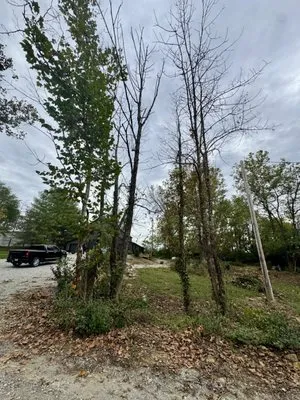
Simpson Property Maintenance is your trusted local partner for year-round property care in Russellville, OH. We specialize in comprehensive lawn services, tree care, and reliable snow removal to keep ...
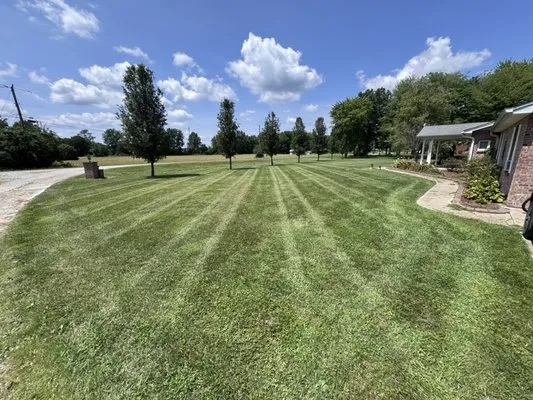
Red Line Mowing is your trusted local lawn care expert in Owensville, OH. We understand the unique challenges homeowners face, from the sudden mess of storm debris cluttering your yard to the frustrat...
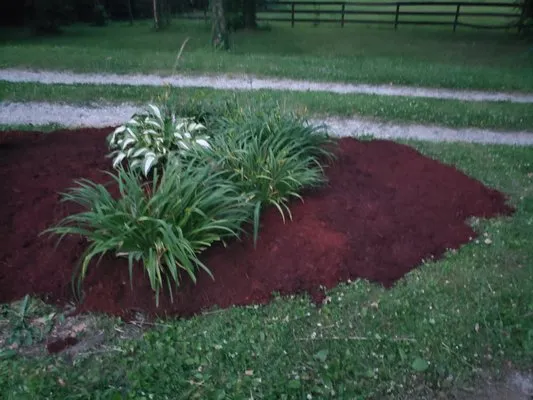
AR Lawncare and Landscaping is a dedicated local lawn service provider serving Mount Orab, OH. We prioritize reliability and quality, ensuring our team arrives promptly at your property and performs e...
Hillside Lawn & Landscaping is a trusted, locally-owned landscaping company serving Oregonia, OH, and the surrounding Warren County area. We specialize in comprehensive lawn care and landscape mainten...
Mowjo Lawncare is a trusted local landscaping company serving Wilmington, OH, dedicated to keeping your outdoor spaces beautiful and functional year-round. We understand the common local challenges ho...
Steve Jordan's Mowing Service is a trusted, locally-owned landscaping provider serving Fayetteville, OH, and the surrounding communities. We specialize in tackling the common lawn challenges faced by ...
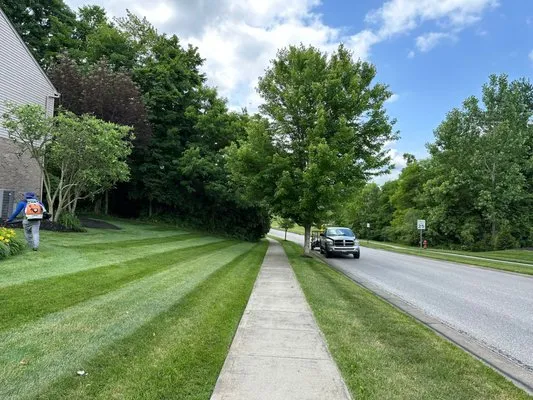
Zack Landscaping is a Milford-based company dedicated to transforming local properties with expert care. We specialize in diagnosing and resolving the common local issues of bare lawn patches and pers...
Estimated Landscaping Service Costs in New Market, OH
Question Answers
Should I replace high-maintenance turf with native plants?
Transitioning to Purple Coneflower, Butterfly Weed, Little Bluestem, and Ohio Goldenrod reduces mowing frequency from weekly to seasonal while supporting pollinator corridors. Native plantings require 75% less irrigation once established and eliminate gas-powered equipment noise. This approach aligns with emerging electric fleet standards while creating self-sustaining ecosystems adapted to Zone 6a conditions.
How do I control invasive species without violating fertilizer regulations?
Japanese knotweed and garlic mustard present the highest invasion risk in New Market's disturbed soils. Mechanical removal during early growth stages prevents seed dispersal, while targeted glyphosate applications follow Ohio Department of Agriculture guidelines. Phosphorus-free requirements near waterways mandate buffer zones of 15 feet, with treatment timing avoiding spring runoff periods when soil permeability is lowest.
Can I maintain Kentucky Bluegrass and Tall Fescue during Stage 1 water restrictions?
Smart Wi-Fi ET-based controllers calculate evapotranspiration rates specific to New Market's microclimate, adjusting irrigation to deliver 1-1.5 inches weekly during peak season. These systems reduce water use 20-30% compared to traditional timers while maintaining turf health. Municipal compliance requires programming to skip cycles during rainfall events, with soil moisture sensors providing additional conservation layers.
Why does my New Market lawn have such poor drainage and compaction issues?
New Market Historic District properties built around 1974 have soil systems approximately 52 years old. Silt loam soil with pH 6.5-6.8 naturally compacts over decades, reducing permeability to less than 0.5 inches per hour. Core aeration every 2-3 years introduces oxygen channels while adding 0.25 inches of compost annually builds organic matter above the recommended 3% threshold for healthy root development in Zone 6a.
What solutions address seasonal waterlogging in my silt loam soil?
Moderate waterlogging results from poor subsoil infiltration rates below 12 inches. Installing French drains with clean gravel and geotextile fabric redirects subsurface flow, while permeable concrete pavers provide 30-40% void space for surface absorption. Highland County Building & Planning Department requires drainage plans demonstrating 10-year storm capacity, with local sandstone edging creating natural filtration barriers.
Are permeable pavers better than wood for New Market patios?
Local sandstone and permeable concrete pavers offer 50+ year lifespans versus wood's 15-25 year maximum with maintenance. Their non-combustible nature supports Low Fire Wise ratings by creating defensible space without fuel accumulation. Permeable systems manage 95% of rainfall on-site, reducing stormwater fees while maintaining structural integrity through freeze-thaw cycles common in Ohio's climate.
What permits and licenses are needed for grading my 0.35-acre lot?
Grading that alters more than 100 cubic yards of soil requires Highland County Building & Planning Department review for erosion control compliance. Ohio Landscape Industry Association certification ensures contractors understand silt fence placement and slope stabilization techniques. The Ohio Department of Agriculture licenses applicators for any soil amendments, with specific requirements for projects within 50 feet of drainage ways or property boundaries.
How quickly can you respond to storm damage for HOA compliance in New Market?
Emergency cleanup crews dispatch from New Market Community Park via US-68, maintaining 20-30 minute response times during peak conditions. This routing avoids residential congestion while allowing equipment transport for immediate debris removal. Standard noise ordinance compliance ensures operations between 7:00 AM and 9:00 PM, with electric equipment reducing acoustic impact in historic districts.
