Top Landscaping Services in New Concord, OH, 43762 | Compare & Call
There are 39 landscaping companies server in New Concord OH
Taylor Mowing is your trusted local expert in Cambridge, OH, offering comprehensive lawn care and premium auto detailing services. We understand the unique challenges of maintaining a healthy lawn in ...
Walk The Line Lawns is a locally owned and operated lawn care business serving Caldwell, OH, and the surrounding areas. Founded on the principle of treating every property with the same care and atten...
Robbin's Landscaping is a trusted, locally-owned landscaping company serving Lore City and surrounding Ohio communities. We specialize in comprehensive landscape maintenance and professional lawn care...
SCC Land Clearing is a trusted New Concord, OH landscaping company focused on solving foundational yard problems for local homeowners. We specialize in land clearing and site preparation, which are es...

PPW Services is a trusted Zanesville, OH provider specializing in pressure washing, lawn care, and window cleaning. We help local homeowners and businesses tackle common landscaping challenges like we...
C Mac Landscaping is a trusted local landscaping company serving New Concord, OH, and the surrounding areas. We specialize in addressing common local landscaping challenges, particularly poor lawn gra...

Masons Landscape is a New Concord-based landscaping company dedicated to solving the common property challenges faced by local homeowners. We specialize in addressing issues like tree root lawn damage...
Enviro Turf is a trusted lawn care provider serving Claysville, OH, specializing in comprehensive lawn services to keep your property healthy and attractive. We understand that local homeowners often ...
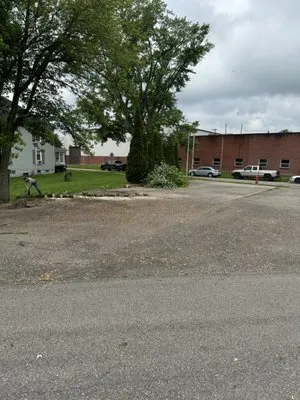
M&S Land Services is a trusted, locally-owned landscaping company serving Byesville, OH, and the surrounding areas. We specialize in comprehensive lawn care solutions designed to tackle the specific c...
Estimated Landscaping Service Costs in New Concord, OH
Q&A
We want to regrade our 0.25-acre lot. What permits and professional credentials are required?
Significant regrading on a 0.25-acre parcel typically requires a permit from the New Concord Village Planning & Zoning office to ensure proper stormwater management and adherence to lot coverage rules. The design and oversight of such work should be performed by a landscape architect licensed by the Ohio Department of Agriculture Landscape Architect Board or a qualified contractor, as improper grading can lead to structural issues and violate local codes.
We're considering a new patio. How do permeable clay pavers compare to traditional wood decks?
Permeable clay pavers offer superior longevity and minimal maintenance compared to wood, which requires regular sealing and eventual replacement. Their inherent permeability manages onsite water, a key benefit for New Concord's drainage profile. While both options are suitable for this low Fire Wise rating zone, pavers provide a non-combustible surface that contributes to defensible space with zero flammable material, enhancing safety with no ongoing treatment needed.
A storm damaged several trees on our property and the HOA has issued a compliance notice. How quickly can a crew respond?
An emergency cleanup crew can be dispatched from a staging area near the Muskingum University Campus. Using I-70 for access, the estimated travel time to the College Heights neighborhood during peak hours is 20-30 minutes. The crew will prioritize safety and debris removal to meet HOA timelines, utilizing electric chippers and loaders that comply with local noise ordinances for immediate work.
We want a green lawn but need to be responsible with water. How do modern systems manage this balance?
Wi-Fi ET-based weather sensing irrigation controllers are the standard for conservation. These systems automatically adjust watering schedules based on real-time evapotranspiration data, rainfall, and soil moisture. This technology ensures your Kentucky Bluegrass and Tall Fuestue blend receives precise hydration without waste, aligning with municipal water conservation goals even in the absence of formal restrictions. It effectively replaces guesswork with climatological data.
I'd like to reduce mowing and gas-powered maintenance. What are my options?
Transitioning high-maintenance turf areas to a xeriscape or native plant bed is a forward-looking strategy. Using species like Purple Coneflower, Little Bluestem, and Wild Bergamot creates a resilient, low-water landscape that supports local biodiversity. This approach significantly reduces the need for weekly mowing and preemptively adapts to tightening noise ordinances regarding gas-powered blowers and mowers, favoring electric maintenance fleets.
What invasive species should I watch for, and how are they treated safely?
In this region, watch for invasive species like Japanese knotweed, garlic mustard, and lesser celandine. Manual removal for small infestations is effective. For larger issues, targeted, professional herbicide application is necessary, but it must strictly follow Ohio BMPs, which prohibit application on frozen or saturated turf to prevent runoff. Treatment timing is critical and often occurs outside peak growing seasons to maximize efficacy and safety.
Our yard gets soggy in spring and water pools near the foundation. What's the best long-term solution?
Moderate runoff in acidic silt loam soils is a common issue here. Installing a French drain system coupled with regrading to direct water away from the foundation is the primary solution. For any new hardscaping, specifying permeable clay pavers increases ground absorption and can help projects meet the New Concord Village Planning & Zoning standards for stormwater runoff management by reducing impervious surface area.
Our College Heights yard was part of the original 1959 development. Will the soil need major work before planting?
Soil maturity is approximately 67 years. In New Concord, lots from this era typically have an acidic silt loam base, which can develop significant compaction from decades of routine maintenance. This compaction reduces soil percolation, leading to the seasonal saturation noted in the area. Core aeration and the incorporation of composted organic matter are recommended to improve soil structure, increase permeability, and support healthier root systems for both turf and landscape plants.
