Top Landscaping Services in Nelson, OH, 44231 | Compare & Call
There are 164 landscaping companies server in Nelson OH
At Old School Lawn Service in Ravenna, OH, we believe a great property starts with genuine care and time-tested methods. As a family-owned operation, we treat every lawn, gutter, and home exterior wit...

Diggin Landscaping has been a trusted local landscaping partner in Mantua, OH, and Northeast Ohio since 1992. As a locally owned and operated business, we specialize in comprehensive landscape mainten...
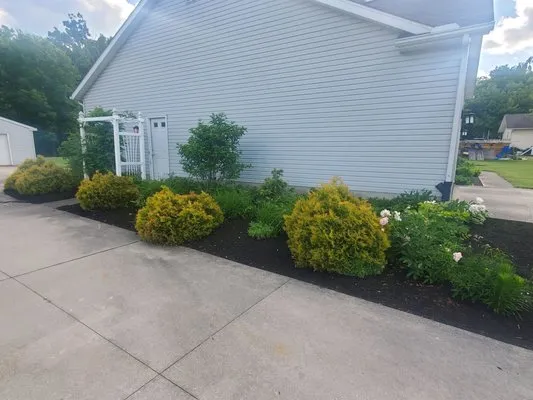
Marozzi’s Terrain Management is a family-owned lawn and tree service business in Ravenna, OH, dedicated to providing personalized care for local residents. With a focus on traditional values and treat...
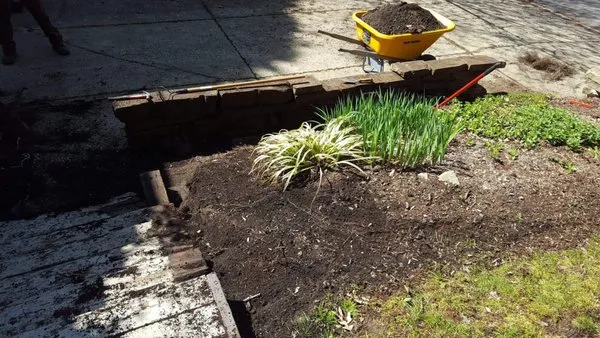
By the Root Sustainable Landscaping
By the Root Sustainable Landscaping is a local, family-run business founded by Mark Morrison and Jenny Burdick in Diamond, OH. Our journey started with a shared passion for outdoor work and a deepenin...
J&C Landscaping and Tree Service is a trusted, locally-owned company serving homeowners throughout Garrettsville and Portage County. We specialize in comprehensive landscape maintenance and profession...
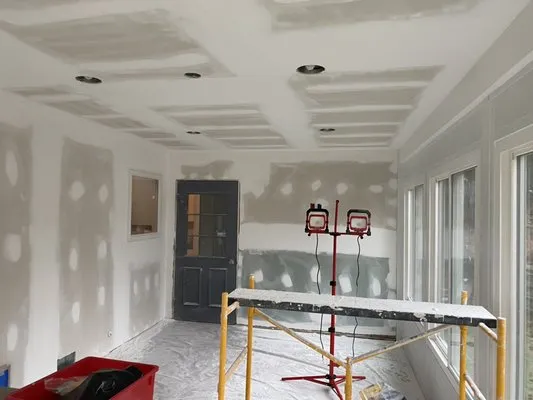
TrustMe Services is a locally-owned business in Tallmadge, OH, founded on a simple, powerful principle: to protect and serve our community with honesty. Seeing too many seniors in the area being taken...
Hecky Landscaping is your trusted local Garrettsville, OH, partner for healthy, beautiful outdoor spaces. We understand the common challenges homeowners face in our area, like shrubs that are dying fr...
Schwan Landscaping is a trusted, family-owned landscaping company serving Garrettsville, OH, and the surrounding areas. We specialize in diagnosing and solving the common local yard challenges homeown...
Ruffing Landscaping is a trusted local landscaping company serving Garrettsville, OH, and the surrounding areas. With deep roots in the community, we specialize in addressing common local landscaping ...
Stone Ledge Designs is a trusted landscaping company serving Garrettsville, OH, and the surrounding communities. We specialize in creating and maintaining beautiful, healthy outdoor spaces tailored to...
Estimated Landscaping Service Costs in Nelson, OH
Question Answers
Our yard in Nelson Center stays soggy for days. What's the cause and a lasting solution?
The high seasonal water table and poor infiltration of Mahoning-Ellsworth Silt Loam are the primary causes. A functional solution integrates subsurface French drains with a dry well. For any new patios or walkways, specify permeable concrete pavers or native sandstone set on an open-graded gravel base. This system meets Portage County Building Department runoff standards by managing water on-site.
How can we keep our lawn green in Nelson without wasting water or violating restrictions?
Despite Stage 0 water restrictions, conservation is key. A smart Wi-Fi soil moisture sensor system is the standard. It schedules irrigation based on actual evapotranspiration (ET) data, applying water only when the root zone of your Kentucky Bluegrass and Tall Fescue blend needs it. This method typically reduces potable water use by 30-50% compared to traditional timer-based systems.
A storm damaged trees on our property. What is your emergency response protocol for Nelson?
Our emergency dispatch routes from the Nelson Township Hall via SR-88, with a standard storm response window of 45-60 minutes during peak hours. We prioritize safety-critical work like clearing driveways and securing hazardous limbs. All service vehicles are electric, allowing us to operate within the local noise ordinance hours of 7:00 AM to 9:00 PM without disturbance.
We need significant grading and drainage work on our 1.5-acre lot. What permits and qualifications should we verify?
Any significant earthmoving or drainage installation on a lot of this size requires oversight. The contractor must hold appropriate licensing through the Ohio Department of Agriculture for pesticide application and potentially through the state for engineering. The Portage County Building Department will require a permit for any work that alters lot drainage patterns or involves structural retaining walls over a certain height.
We're adding a patio. Why choose permeable pavers or sandstone over wood or solid concrete?
Permeable pavers and native sandstone offer superior longevity and functionality in our climate. Unlike wood, they require no sealing or replacement from rot. Their permeability directly addresses Nelson's drainage hazards by allowing water infiltration. While our Fire Wise rating is low, these non-combustible materials inherently contribute to defensible space, an asset for future climate resilience.
We want to reduce mowing and maintenance. What are ecologically sound alternatives to grass?
Transitioning high-maintenance turf to a native plant community is the most effective long-term strategy. A matrix of Little Bluestem grass, interplanted with Purple Coneflower and Butterfly Milkweed, establishes a resilient, low-water landscape. This approach drastically reduces mowing frequency, eliminates the need for gas-powered blowers ahead of tightening noise ordinances, and provides critical habitat.
What invasive species should we watch for, and how do we manage them responsibly?
Garlic Mustard and Japanese Knotweed are high-priority invasive alerts in this area. Manual removal before seed set is most effective. For persistent perennials, a targeted, professional-grade glyphosate application to cut stems in late fall minimizes drift and non-target impact. This timing also avoids the state's phosphorus runoff guidelines for fertilizer, which primarily apply to spring and summer applications.
Our Nelson Center home is from the 1950s. Is the soil likely a problem for new planting?
Properties from this era, now 75+ years old, typically have Mahoning-Ellsworth Silt Loam soil that is heavily compacted from decades of standard maintenance. This compaction severely limits permeability and root penetration. For healthy turf or gardens, core aeration in early fall and the incorporation of 2-3 inches of composted organic matter are non-negotiable first steps to rebuild soil structure and biological activity.
