Top Landscaping Services in Monfort Heights, OH, 45211 | Compare & Call
There are 184 landscaping companies server in Monfort Heights OH
Slick Willys Lawn Care is a Cincinnati-based lawn service provider specializing in tackling the specific landscaping challenges faced by local homeowners. Many neighborhoods in the area struggle with ...
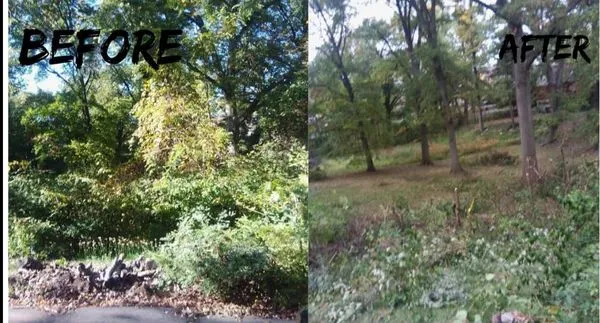
Aboubacar Landscaping is a Cincinnati-based design and build firm dedicated to solving common local landscaping challenges. We understand that homeowners in our area frequently face issues like landsc...
EcoScape Solutions is a Cincinnati-based landscaping company dedicated to creating sustainable outdoor spaces that enhance property beauty while supporting environmental health. We specialize in eco-f...
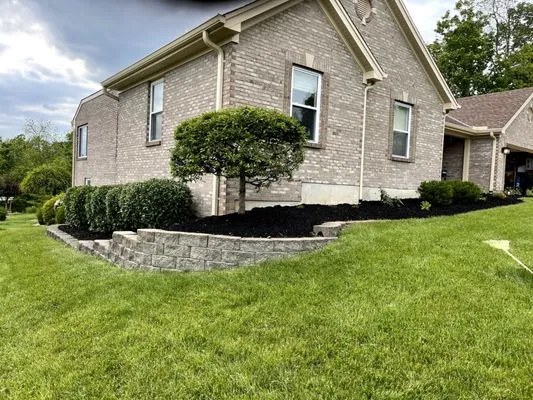
At Ott Simply Green Lawn Care, our foundation is over three decades of dedicated experience in the Cincinnati lawn and tree service industry. We are a local, family-supported business built on forming...
Cain Lawn Care & Landscaping is a Cincinnati-based lawn service dedicated to helping local homeowners achieve and maintain healthy, resilient yards. We understand the common Cincinnati challenges of t...
Rave Landscape Services is a Cincinnati-based landscaping company dedicated to solving common local yard problems like dying shrubs and dead lawn areas. We provide expert care tailored to Cincinnati's...
Kahny’s Landscaping Homecare is a dedicated Cincinnati landscaping company focused on solving the common local issues of soil compaction and bare lawn patches that trouble many area homes. By addressi...
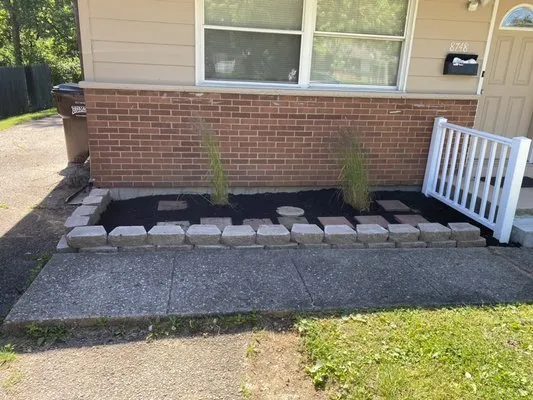
Founded by a local professional with five years of hands-on experience, Cutting Time Lawn & Landscape was established to give Cincinnati homeowners back their most valuable resource: time. We believe ...

GRH Landscaping is a Cincinnati-based landscaping company dedicated to solving common local yard issues, particularly drainage problems and sprinkler leaks that can plague Ohio Valley properties. We u...

Next Level Decks LLC is a trusted, fully insured outdoor construction company serving Cincinnati, OH, dedicated to transforming your outdoor living space. We specialize in custom deck design and const...
Estimated Landscaping Service Costs in Monfort Heights, OH
Question Answers
Do I need a permit to regrade my backyard for better drainage?
Yes, significant grading on a 0.35-acre lot that alters water flow or involves substantial earth moving typically requires a permit from the Hamilton County Building Department. Furthermore, this work must be designed or supervised by a professional licensed by the Ohio Department of Agriculture Landscape Architect Board to ensure it complies with state erosion control and engineering standards, protecting your property and neighboring lots.
What invasive species should I watch for, and how do I remove them safely?
In Monfort Heights, be vigilant for invasive species like Japanese Knotweed or Callery Pear. Manual removal or targeted, systemic herbicide applications by a licensed professional are effective. All treatments must follow Ohio's BMP guidelines, which prohibit phosphorus fertilizer application on non-deficient soils and may have specific seasonal blackout dates to protect local waterways from nutrient runoff.
We have an urgent HOA notice for overgrowth. How quickly can a crew respond for compliance?
For an emergency cleanup, our dispatch from the Mount Airy Forest area allows a crew to reach Monfort Heights via I-74 within the 20-30 minute peak response window. We prioritize such compliance calls with equipment ready for immediate debris removal and mowing to meet HOA standards, scheduling around standard noise ordinance hours to avoid violations.
My lawn in Monfort Heights seems thin and compacted, even with regular care. Why is that?
Properties in neighborhoods developed around 1976, like Monfort Heights, have 50-year-old landscapes where soil structure has significantly degraded. The native Cincinnati Silt Loam, with a pH of 6.5-7.0, becomes heavily compacted from decades of foot traffic and standard maintenance, restricting root growth and water permeability. This necessitates core aeration and the incorporation of composted organic matter to rebuild soil tilth and support a healthy turf blend.
How can I keep my Kentucky Bluegrass lawn healthy during summer without wasting water?
Smart Wi-Fi ET-based controllers are the standard for efficient irrigation in our zone. These systems use local evapotranspiration data to apply only the precise amount of water your turf needs, preventing overwatering despite the absence of formal restrictions. This technology preserves the Tall Fescue blend's drought tolerance while aligning with municipal conservation goals and reducing runoff on clay-heavy subsoils.
Our backyard collects water after every rain. What's a lasting solution for Monfort Heights lots?
Moderate runoff is common here due to the clay-heavy subsoil beneath the silt loam, which impedes percolation. A functional solution involves replacing solid concrete patios or walkways with permeable concrete pavers and creating dry creek beds lined with natural sandstone. These features increase infiltration and may require review by the Hamilton County Building Department to ensure they meet updated stormwater management standards.
I'm tired of weekly mowing and gas-powered noise. Are there quieter, lower-maintenance options?
Transitioning high-maintenance turf areas to a climate-adaptive xeriscape with native plants is a forward-looking strategy. Planting Purple Coneflower, Little Bluestem, and Serviceberry reduces mowing frequency, eliminates gas-blower use ahead of potential ordinance changes, and provides superior habitat. This established planting requires minimal irrigation once established, conserving water and enhancing biodiversity beyond 2026 standards.
We're adding a patio. Is natural sandstone a better choice than wood for our area?
Natural sandstone and concrete pavers offer superior longevity and lower maintenance compared to wood, which decays and requires chemical treatments. In our Moderate Urban-Suburban Interface fire risk zone, these non-combustible materials also contribute to defensible space by creating a fire-resistant barrier, a prudent consideration for hardscape planning in 2026.
