Top Landscaping Services in Millersburg, OH, 44654 | Compare & Call


Buckeye Lawnmowing, based in Millersburg, is a locally owned and operated lawn service dedicated to helping your property look its best. As the owner and operator, I personally handle every job, bring...

Chrapowicki Complete Property Maintenance is a trusted Millersburg, OH business specializing in snow removal and landscaping services to keep properties safe and beautiful year-round. We help local ho...
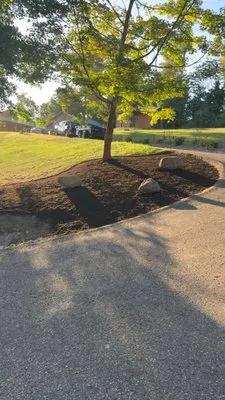
Holmes Property Services in Millersburg, OH, is a trusted local contractor specializing in excavation, masonry/concrete, and landscaping services. We help homeowners transform their outdoor spaces wit...

Echo Valley Landscaping & Decks is a Millersburg-based contractor specializing in comprehensive outdoor solutions for local homeowners. We handle everything from routine landscape maintenance and tree...
Davison's 4 Seasons
Davison's 4 Seasons is a family-owned and operated landscaping company proudly serving Millersburg, Holmes County, and the surrounding Ohio area since 2002. With over 20 years of hands-on experience, ...
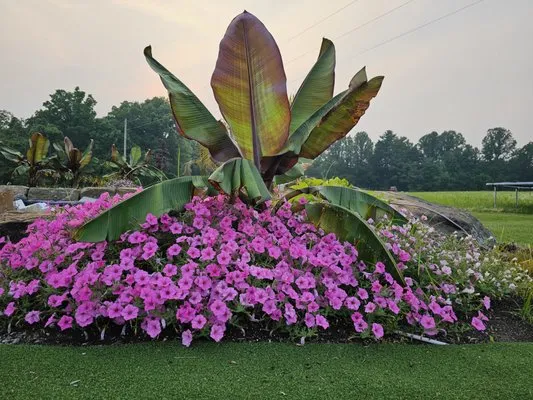
Totally Outdoors is a family-owned and operated business serving Millersburg and Holmes County since 2004. Founded by Joe, who brings over 20 years of hands-on experience, the company is built on craf...
Berlin Gravely Sales is a trusted local provider of gardening and lawn care services for Millersburg, OH, homeowners. We specialize in diagnosing and treating the specific landscaping challenges preva...
Leos Lawn Care is a trusted local lawn service provider in Millersburg, OH, dedicated to maintaining healthy, vibrant lawns for homeowners and businesses. We specialize in comprehensive lawn care solu...
Buckeye Lawns & Landscaping
Buckeye Lawns & Landscaping is your trusted Millersburg partner for creating beautiful, functional outdoor spaces. We specialize in custom landscape design and reliable snow removal, tailored to the s...
Ideal Lawn Care is Millersburg's trusted partner for maintaining a healthy, vibrant lawn year-round. We understand the common local challenges, like destructive lawn insect damage and frustrating irri...
Frequently Asked Questions
What invasive species threaten Millersburg landscapes, and how do I treat them safely?
Japanese knotweed, garlic mustard, and creeping Charlie present the highest invasion risks in Holmes County soils. Manual removal before seed set combined with targeted spot treatments avoids broad-spectrum herbicide use. Always follow Ohio's Best Management Practices for nitrogen application timing to prevent runoff into watersheds. Soil testing every 3 years identifies specific nutrient needs rather than blanket fertilization. Healthy native plant communities naturally resist invasion through competitive exclusion.
What solutions address moderate seasonal saturation in my silt loam yard?
Silt loam soils in Millersburg drain slowly due to clay subsoil layers, creating temporary ponding after heavy rains. Permeable sandstone pavers and crushed aggregate hardscapes meet Millersburg Planning & Zoning Department runoff standards by allowing infiltration rather than diversion. French drains with clean gravel and perforated pipe redirect subsurface water away from foundations. Grading adjustments of 2% slope direct surface flow toward rain gardens planted with moisture-tolerant natives.
Can I maintain Kentucky Bluegrass and Tall Fescue during dry periods without violating water restrictions?
Stage 0 water restrictions in Millersburg allow irrigation, but smart Wi-Fi soil moisture sensor controllers optimize usage by tracking evapotranspiration rates and soil conditions. These systems apply 0.5-1 inch weekly during peak growth, preserving turf health while reducing consumption 30-40% versus traditional timers. Deep, infrequent watering encourages deeper root systems that better withstand drought stress. Regular calibration ensures controllers respond to actual soil moisture rather than fixed schedules.
Should I replace high-maintenance turf with native plants to reduce noise and chemical use?
Transitioning from Kentucky Bluegrass to Purple Coneflower, Butterfly Milkweed, Wild Bergamot, and Little Bluestem reduces mowing frequency and eliminates fertilizer requirements. These natives support 2026 biodiversity standards while creating habitat for pollinators and beneficial insects. Electric equipment maintains these plantings quietly within noise ordinances, avoiding future gas-blower restrictions. Established native plantings require only seasonal maintenance rather than weekly attention.
Do sandstone pavers last longer than wood for patios in our climate?
Sandstone pavers withstand Millersburg's freeze-thaw cycles for 25+ years versus wood's 10-15 year lifespan with maintenance. Their thermal mass moderates temperature extremes while providing non-combustible defensible space relevant to low fire-wise ratings. Proper installation with polymeric sand joints prevents weed growth and maintains level surfaces. Crushed aggregate bases ensure drainage that prevents frost heave damage common with impermeable surfaces.
Why does grading work on my 0.22-acre lot require special licensing?
The Millersburg Planning & Zoning Department regulates earth moving that alters drainage patterns or affects neighboring properties. On 0.22-acre lots, even minor grading can redirect stormwater runoff, requiring engineered solutions for compliance. The Ohio Landscape Architects Board licenses professionals who understand soil mechanics, hydrology, and local ordinances. Unpermitted grading risks fines and may void property insurance if drainage issues cause structural damage.
How quickly can you respond to storm damage for HOA compliance in Millersburg?
Emergency cleanup crews dispatch from the Holmes County Courthouse area via US-62, reaching most Historic Millersburg properties within 20-30 minutes during peak response times. We prioritize safety hazards like downed limbs blocking driveways or damaged trees threatening structures. Our electric maintenance fleet operates within standard noise limits while providing immediate debris removal. Documentation for HOA compliance includes before/after photos and disposal receipts.
Why does my 1970s-era Millersburg lawn struggle with compaction and poor drainage?
Properties built around 1970 in Historic Millersburg have 56 years of soil development, but silt loam soils with pH 6.2-6.8 naturally compact over decades of foot traffic and maintenance equipment. The clay subsoil common in this neighborhood restricts water percolation, creating seasonal saturation issues. Core aeration every 1-2 years combined with organic amendments like composted leaf mulch improves soil structure and permeability. This addresses the root cause rather than temporary surface treatments.
