Top Landscaping Services in Mill, OH, 44621 | Compare & Call
There are 83 landscaping companies server in Mill OH
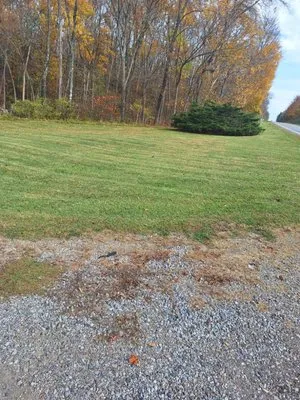
Taylor Mowing is your trusted local expert in Cambridge, OH, offering comprehensive lawn care and premium auto detailing services. We understand the unique challenges of maintaining a healthy lawn in ...
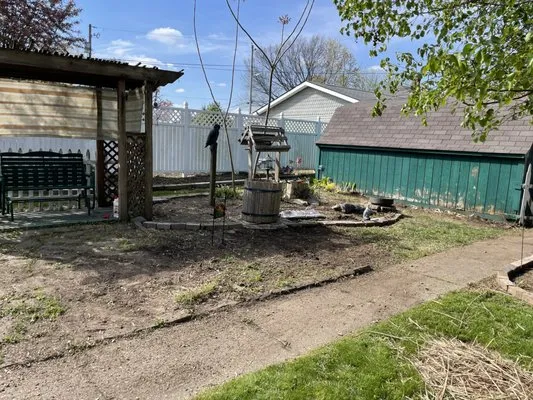
Sharps Landscaping and Services is a Saint Clairsville-owned and operated company built on a foundation of family, experience, and a commitment to getting the job done right. Founder John Sharp brings...

New Beginnings Lawn is a dedicated lawn care service based in Uhrichsville, OH, helping homeowners transform their outdoor spaces. We specialize in addressing common local landscaping challenges like ...
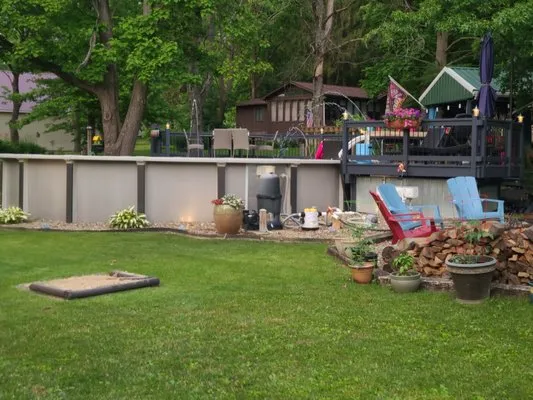
JT'S Premium Landscaping And Snow Removal is a trusted Sherrodsville, OH business specializing in comprehensive outdoor solutions for local homeowners. We address common local landscaping challenges l...
Dorian Mowing is a dedicated lawn care service serving Dennison, OH, and the surrounding Tuscarawas County area. We specialize in creating and maintaining healthy, lush lawns that can withstand local ...
Lincoln & Things is a trusted Sherrodsville landscaping company dedicated to solving common local yard problems. Many area homes deal with frustrating issues like malfunctioning irrigation timers and ...
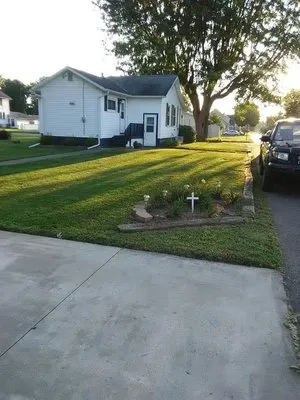
N and J Lawn Care is a trusted local provider in Newcomerstown, OH, offering comprehensive lawn and tree services to address common landscaping challenges in the area. Many homeowners here face issues...
Cornerstone Landscaping in Dennison, OH, is a full-service landscaping company dedicated to building and maintaining beautiful, healthy outdoor spaces for local homes and businesses. Beyond year-round...

A Cut Above the Green is a trusted lawn care provider serving Uhrichsville, OH. We specialize in comprehensive lawn maintenance and health to address common local yard issues. A frequent challenge for...
Matthew's Chorelist is a trusted local service provider in Tuscarawas, OH, specializing in home cleaning, house sitting, and lawn services. We understand the common landscaping challenges in our commu...
Estimated Landscaping Service Costs in Mill, OH
Q&A
Why does my Mill Historic District yard have such compacted soil that struggles to drain properly?
Homes in the Mill Historic District average 61 years old (2026 minus 1965 construction), creating mature soil profiles where decades of foot traffic and equipment use have reduced permeability. The slightly acidic silt loam (pH 6.4) common here naturally compacts over time, limiting water infiltration and oxygen exchange. Core aeration every 2-3 years combined with organic amendments like composted leaf mulch addresses this by improving soil structure and microbial activity. This approach is particularly effective for Tall Fescue turf, which requires well-aerated root zones to thrive in USDA Zone 6a conditions.
What's the best solution for seasonal saturation in my Mill yard with silt loam soil?
Moderate runoff in slightly acidic silt loam requires improving permeability through subsurface drainage and surface modifications. Installing French drains with clean gravel and landscape fabric redirects groundwater away from saturated areas. For hardscapes, permeable concrete pavers meeting City of Mill Planning & Development Department standards allow 80-90% of rainfall to infiltrate rather than runoff. These pavers, combined with strategic grading that creates gentle slopes toward drainage points, address seasonal saturation while complying with municipal stormwater management requirements.
Are concrete pavers better than wood for durability in Mill's climate?
Concrete pavers offer superior longevity compared to wood in USDA Zone 6a, with 25-30 year lifespans versus wood's 10-15 years even with treatment. Their non-combustible nature supports the low Fire Wise rating in Mill's urban-suburban interface by creating defensible space without fuel accumulation. Pavers also withstand freeze-thaw cycles better than poured concrete, with individual units allowing for soil movement without cracking. For the Mill Historic District's aesthetic, pavers provide traditional appearance with modern permeability standards that exceed wood's maintenance requirements.
What permits and licenses are needed for grading my 0.22-acre Mill property?
Grading projects on 0.22-acre lots require both municipal permits and professional licensing. The City of Mill Planning & Development Department issues grading permits after reviewing erosion control plans and drainage calculations. Contractors must hold Ohio Landscape Industry Association certification for earthwork exceeding certain volumes, as unlicensed grading can cause downstream sedimentation violations. Specific licensing ensures proper slope stabilization techniques are used, particularly important in the Mill Historic District where older infrastructure requires careful soil management. Always verify both permit and license status before beginning excavation work.
How can I maintain my Tall Fescue lawn during Mill's voluntary water conservation periods?
Wi-Fi ET-based weather sensing irrigation systems automatically adjust watering schedules using real-time evapotranspiration data from local weather stations. This technology reduces water use by 20-30% compared to traditional timers while preserving Tall Fescue health through precise moisture delivery. During normal water restriction status, these systems target early morning watering when evaporation is minimal and soil absorption is optimal. Municipal water limits are maintained by programming specific run times based on soil type and plant requirements rather than fixed schedules.
What low-maintenance alternatives can I plant instead of high-water turf in Mill?
Transitioning to native plant communities featuring Purple Coneflower, Butterfly Milkweed, Little Bluestem, and Ohio Goldenrod reduces maintenance by 60-70% compared to traditional turf. These species are adapted to USDA Zone 6a conditions and require minimal irrigation once established, aligning with voluntary conservation goals. The shift also anticipates tightening noise ordinances by eliminating gas-powered blowers for leaf cleanup—native plantings create natural mulch layers that suppress weeds. This approach supports 2026 biodiversity standards while providing year-round visual interest with minimal inputs.
How quickly can you respond to an emergency tree cleanup after a storm in Mill?
Emergency storm response typically requires 25-35 minutes during peak conditions from our dispatch point near Mill Community Park. The route follows I-77 northbound with direct access to the Mill Historic District, allowing crews to mobilize with chippers and loaders within the 8:00 AM to 8:00 PM noise ordinance window. This timing accommodates both immediate safety hazards and HOA compliance requirements for debris removal. Our electric maintenance fleet operates quietly within these hours while meeting urgent vegetation management needs.
How should I handle invasive species like Japanese knotweed without violating fertilizer regulations?
Invasive species management requires targeted approaches that avoid phosphorus application during restricted periods under Ohio's fertilizer ordinance. For persistent invaders like Japanese knotweed, cut-stem treatments with glyphosate applied directly to freshly cut stems in late summer provide effective control without soil disturbance. Always conduct a soil test first to confirm phosphorus deficiency before any application to established turf. Mechanical removal combined with native plant restoration creates competitive ecosystems that resist reinvasion while maintaining compliance with state environmental standards.
