Top Landscaping Services in McComb, OH, 45858 | Compare & Call


Cornerstone Landscape and Design
Cornerstone Landscape and Design is your local McComb, Ohio partner for comprehensive outdoor solutions. We specialize in creating and maintaining landscapes that thrive in our local environment, dire...
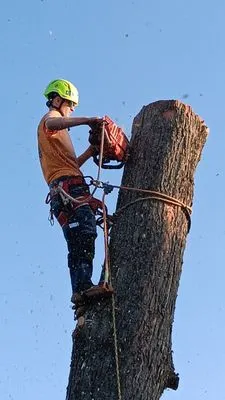
Youngguns Tree Service is your trusted, locally-owned tree and landscaping expert serving McComb, OH, and the surrounding area. We understand the specific challenges homeowners face, such as persisten...
B's Handyman Services is your trusted local expert in McComb, OH, offering comprehensive solutions to keep your property in top shape. We specialize in lawn care and plumbing inspections, understandin...
Q&A
Are concrete pavers better than wood for McComb patios and pathways?
Concrete pavers and crushed limestone offer superior longevity compared to wood in McComb's climate. These materials withstand freeze-thaw cycles in USDA Zone 6a without rotting or warping. Their non-combustible nature supports defensible space principles relevant to McComb's low urban/rural interface fire rating. Properly installed hardscapes using these materials typically last 25+ years with minimal maintenance, while providing excellent permeability for stormwater management.
What permits and licenses are needed for grading my quarter-acre McComb property?
Grading projects on 0.25-acre lots require Hancock County Regional Planning Commission permits for significant earth movement. Contractors must hold Ohio Department of Agriculture nursery/landscape licensing for vegetation-related work. Professional engineering review may be necessary if grading alters drainage patterns affecting neighboring properties. These requirements ensure compliance with local erosion control standards and protect against liability issues from improper soil disturbance.
How do I control invasive species without violating fertilizer regulations?
Invasive species management requires timing applications outside Ohio's phosphorus application blackout periods near waterways. Mechanical removal combined with targeted organic herbicides during permissible windows effectively controls common invaders. Soil testing determines whether nutrient amendments are necessary before any fertilizer application. This approach maintains landscape health while complying with state regulations designed to protect aquatic ecosystems from runoff contamination.
How quickly can you respond to an emergency tree cleanup after a storm in McComb?
Emergency storm response from our dispatch near McComb Public Library typically takes 20-30 minutes during peak conditions. The route via I-75 allows efficient access to Central McComb properties while accounting for traffic variables. This timeframe accommodates HOA compliance deadlines for debris removal while maintaining safety protocols for storm-damaged vegetation. Our crews prioritize immediate hazard mitigation before proceeding with systematic cleanup operations.
What solutions address poor water infiltration in my clay-heavy McComb soil?
Blount-Pewamo Loam's high clay content requires integrated drainage solutions. Permeable concrete pavers or crushed limestone installations increase surface infiltration rates while meeting Hancock County Regional Planning Commission runoff standards. Subsurface French drains with clean gravel layers redirect water away from foundations. Combining these approaches creates a drainage system that manages typical rainfall events without creating erosion or standing water issues.
Why does my Central McComb yard have drainage issues and compacted soil?
McComb homes built around 1965 have soil that has matured for approximately 61 years. Blount-Pewamo Loam soil in this neighborhood typically develops high clay content over decades, reducing permeability. Core aeration with organic amendments like compost improves soil structure by increasing pore space for water movement. This addresses the poor infiltration common in older residential lots where natural soil processes have been disrupted by decades of standard maintenance practices.
How can I maintain Kentucky Bluegrass and Tall Fescue lawns while conserving water?
Smart Wi-Fi soil moisture sensor controllers optimize irrigation by applying water only when ET rates indicate plant stress. These systems monitor real-time soil conditions, preventing overwatering despite McComb's standard conservation guidelines. Properly calibrated controllers maintain turf health while reducing municipal water usage by 30-50% compared to traditional timer-based systems. This approach preserves grass density during summer months without violating any local water restrictions.
Should I replace some lawn areas with native plants to reduce maintenance?
Transitioning high-maintenance turf to native plantings like Common Milkweed, Wild Bergamot, New England Aster, and Little Bluestem reduces water and chemical inputs. These species support local pollinators while requiring minimal mowing or blowing operations. This approach anticipates potential gas-powered equipment restrictions under evolving noise ordinances. Native landscapes typically establish within two growing seasons and provide year-round ecological benefits with significantly reduced maintenance demands.
