Top Landscaping Services in Marion, OH, 43301 | Compare & Call
There are 188 landscaping companies server in Marion OH
KTC Farms is a Marion, OH-based landscaping company dedicated to solving the common local problems of standing water and persistent weed infestations. We understand that Marion's soil and climate can ...
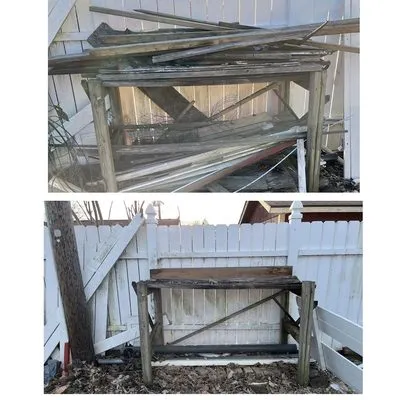
Cozy Custom Services in Mansfield, OH is a locally owned and operated business providing comprehensive cleaning and lawn care solutions for both residential and commercial clients. Founded by Taricus,...
Tom Ruth Stump Removal is a trusted tree service and landscaping company serving Caledonia, OH, and the surrounding areas. We specialize in professional stump removal, tree care, and landscape mainten...
Park's Lawn Care is a dedicated landscaping service rooted in Caledonia, OH, focused on tackling the common local issues of soil compaction and overgrown shrubs. We specialize in core aeration to reli...
Jets Services in Columbus is your local, multi-service provider for auto repair, home cleaning, and lawn care. We focus on clear communication and reliable work to solve everyday problems for Columbus...
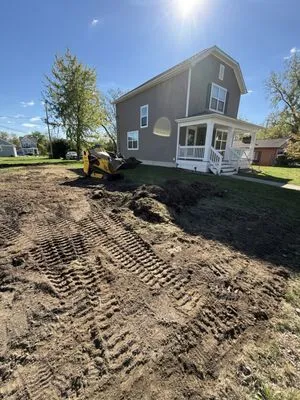
DTE services is a Columbus-based lawn and property service company dedicated to helping local homeowners maintain and improve their outdoor spaces. We provide a range of essential services including p...
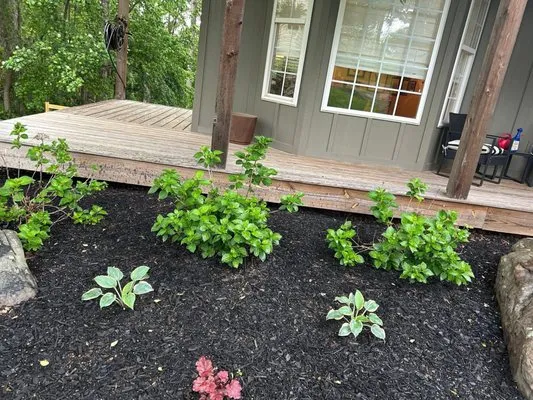
D&k Construction is a trusted general contractor and landscaping company serving Radnor, OH homeowners. We specialize in patio, porch, and terrace construction, helping residents enhance their outdoor...
Scapes By Sarah in Bucyrus, OH, is a unique destination combining thoughtful gifts with a focus on enhancing your home's curb appeal. We understand the common local challenges of overgrown shrubs and ...
Estimated Landscaping Service Costs in Marion, OH
Questions and Answers
Why does my Fairground-Lincoln yard have such compacted soil that needs annual aeration?
Marion's Fairground-Lincoln neighborhood features 1956-era homes on Blount-Pewamo Silt Loam soil, which has experienced 70 years of maturation since construction. This silt loam composition naturally compacts over decades, reducing pore space and oxygen availability to root zones. Annual core aeration combined with organic amendments like composted leaf litter addresses permeability issues while maintaining the soil's optimal 6.5-7.2 pH range for turf health.
How quickly can you respond to an emergency tree cleanup after a storm in Marion?
Our electric maintenance fleet can dispatch from the Marion County Fairgrounds area within 20-30 minutes during peak response times. We route via US-23 to access Fairground-Lincoln neighborhoods while complying with Marion's 7:00 AM noise ordinance start time. This electric equipment operates below 60 decibels, allowing early morning emergency work that traditional gas-powered crews cannot perform under current regulations.
How do I treat invasive species in my Marion yard without violating fertilizer regulations?
Targeted manual removal of invasive species like Japanese knotweed or garlic mustard precedes any soil amendment applications. Ohio's nitrogen application guidance requires precise timing to avoid blackout periods, typically late fall through early spring. We apply mycorrhizae inoculants and slow-release organic fertilizers only during approved windows, ensuring treatments don't leach into Marion's watershed while restoring competitive advantage to native plant communities.
What permits and licenses are needed for grading work on my 0.22-acre Marion property?
The Marion City Building Department requires grading permits for any significant earth movement on 0.22-acre lots to prevent watershed impacts. Contractors must hold Ohio Department of Agriculture Landscape Nursery Stock Dealer licensing for soil import/export operations. This ensures proper handling of Blount-Pewamo Silt Loam during regrading projects and compliance with state erosion control standards for residential properties in Fairground-Lincoln and surrounding neighborhoods.
Should I replace some lawn with native plants to reduce maintenance in Marion?
Transitioning high-maintenance turf areas to Purple Coneflower, Butterfly Milkweed, Little Bluestem, and Wild Bergamot reduces mowing frequency from weekly to seasonal. These USDA Zone 6a natives require no irrigation once established and support 2026 biodiversity standards for pollinator corridors. This approach also minimizes gas-powered equipment use, aligning with Marion's evolving noise ordinance restrictions on combustion engine landscape tools.
Are concrete pavers better than wood for Marion patios given fire safety concerns?
Concrete pavers provide superior longevity and fire resistance compared to wood decking in Marion's low Firewise rating zones. Their non-combustible nature creates defensible space while withstanding freeze-thaw cycles better than timber in USDA Zone 6a. Crushed limestone bases under pavers offer excellent drainage that complements Marion's Blount-Pewamo soil characteristics, preventing heaving and maintaining structural integrity for decades with minimal maintenance.
How do smart irrigation systems help maintain Kentucky Bluegrass during Marion's dry periods?
Smart Wi-Fi controllers with soil moisture sensors adjust watering based on actual ET (evapotranspiration) rates rather than fixed schedules. This technology preserves Kentucky Bluegrass and Tall Fescue turf while reducing water consumption by 30-50% compared to traditional timers. During Marion's normal water restriction status, these systems automatically comply with municipal guidelines by skipping cycles when soil moisture exceeds optimal levels for root development.
What solutions address seasonal ponding in my Marion yard with poor natural drainage?
Blount-Pewamo Silt Loam's poor permeability creates seasonal ponding that requires engineered solutions. Installing French drains with clean crushed limestone aggregate improves subsurface water movement while maintaining soil structure. Permeable concrete paver systems meet Marion City Building Department runoff standards by allowing 8-12 inches per hour infiltration rates, significantly reducing surface water accumulation during heavy rainfall events.
