Top Landscaping Services in Mack, OH, 45052 | Compare & Call
There are 167 landscaping companies server in Mack OH
Allen Outdoor Service
Allen Outdoor Service is your trusted Cincinnati partner for creating and maintaining a beautiful, resilient property year-round. We specialize in professional landscape design and reliable snow remov...
Forevergreen Landscaping is a trusted, local Cincinnati landscaping company dedicated to solving the common yard problems that trouble area homeowners. We specialize in addressing issues like lawn ins...
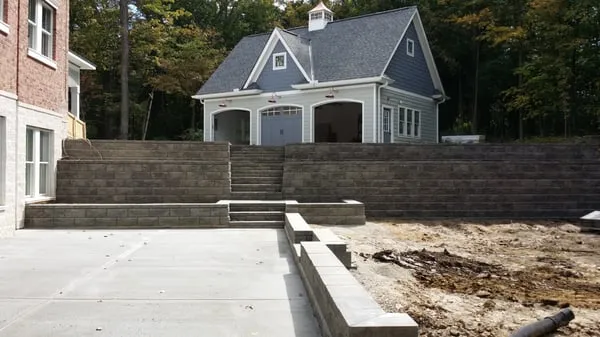
Prestige Landscape Designs brings over three decades of dedicated experience to Cincinnati homes and businesses. As a certified installer through the Ohio Nursery and Landscape Association, Reading Ro...

Since 1988, J's Mulch & Landscape Supply has been a trusted, family-owned source for landscaping materials in Cleves and the greater Cincinnati area. For over 35 years, we've built our reputation on p...
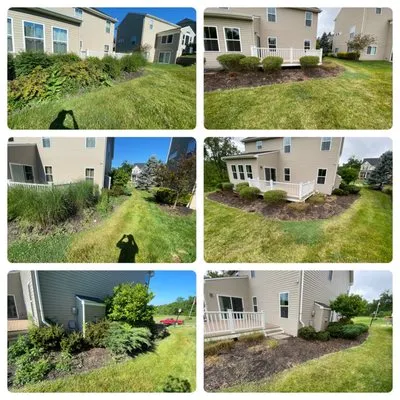
Pristine Cuts Lawn and Landscape is a Cincinnati-based landscaping company dedicated to enhancing the beauty and health of local properties. We understand the common challenges homeowners face, such a...
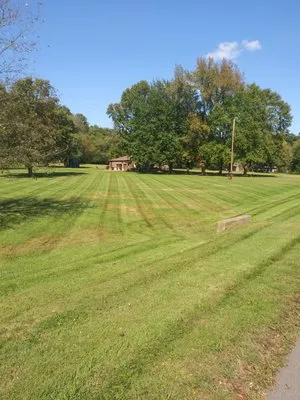
KO Landscaping is your trusted local lawn care provider in Fairfield, OH. We specialize in creating and maintaining healthy, vibrant lawns that stand up to our local climate challenges. Many Fairfield...
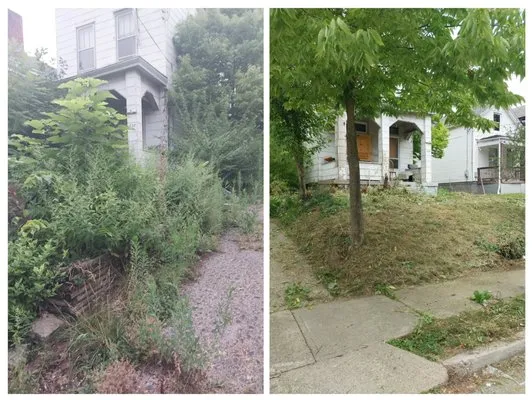
JB's Landscaping Care is your trusted local lawn service provider in Mack, OH. We specialize in comprehensive lawn care, helping homeowners maintain a healthy, green yard all season long. Our team und...
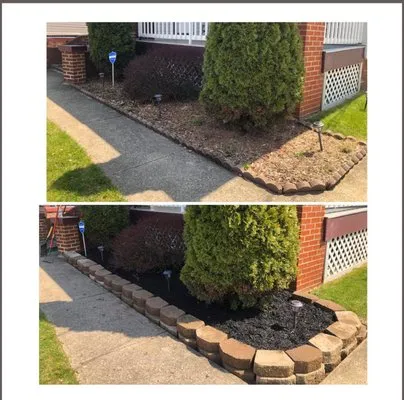
S&C Landscaping is a trusted landscaping and gutter services provider based in Ross, OH, serving the Butler County area. We specialize in comprehensive outdoor solutions, including gardening, landscap...
Wieck's Lawncare & Landscaping is a trusted, locally-owned lawn service provider serving Cincinnati, Ohio. Specializing in professional lawn care, they help homeowners maintain healthy, resilient lawn...
Under The Sunn Lawn & Tree Services is your trusted, full-season partner for lawn, tree, and snow care in Cincinnati, OH. We understand the unique challenges Greater Cincinnati properties face, from t...
Estimated Landscaping Service Costs in Mack, OH
Frequently Asked Questions
What permits and licenses are required for landscape grading projects?
Significant grading on 0.25-acre Mack properties requires Hamilton County Building Department review for erosion control and drainage compliance. Contractors must hold Ohio Landscape Architects Board certification for designs altering water flow patterns or creating retaining walls over 24 inches. Professional licensing ensures proper soil compaction testing, adherence to setback requirements, and implementation of sediment barriers during construction to prevent neighborhood runoff issues.
How do I maintain Kentucky Bluegrass and Tall Fescue without violating water conservation guidelines?
Wi-Fi ET-based weather sensing irrigation systems automatically adjust watering schedules using real-time evapotranspiration data. These systems reduce water usage 20-30% compared to traditional timers while maintaining turf health. Programming follows Mack's voluntary conservation standards, applying 1-1.5 inches weekly during peak growing seasons. Deep, infrequent watering encourages deeper root systems that better withstand drought stress in USDA Zone 6b conditions.
Why does my Mack Village lawn struggle with compaction and poor drainage?
Most Mack homes were built around 1978, creating 48-year-old soil profiles. Neighborhood lots typically feature silt loam soil with pH 6.5-7.0, which becomes dense and impermeable over decades of foot traffic and standard maintenance. This soil type requires annual core aeration to improve oxygen exchange and water infiltration. Adding 0.25-0.5 inches of compost annually builds organic matter content, enhancing soil structure and microbial activity for healthier turf.
How do I control invasive species without using restricted fertilizers?
Early spring monitoring identifies invasive threats like Japanese knotweed or garlic mustard before they establish. Manual removal with root extraction proves most effective for small infestations. For persistent problems, targeted spot treatments with glyphosate alternatives avoid phosphorus contamination of waterways. These methods comply with Mack's prohibition on phosphorus-containing turf fertilizers while protecting native plant communities from aggressive competitors.
How quickly can you respond to emergency storm damage for HOA compliance?
Our electric maintenance fleet can dispatch from Green Township Veterans Park within 15 minutes of notification. Using I-74 access, we reach Mack Village properties in 25-35 minutes during peak traffic conditions. This response time accommodates same-day emergency cleanup for fallen branches, debris removal, and safety hazard mitigation. Our battery-powered equipment operates quietly within Green Township's 7 AM to 9 PM noise ordinance window.
What solutions address seasonal runoff and high water tables in Mack yards?
Silt loam soils in Mack Village have moderate permeability, creating runoff issues during heavy rains. Installing French drains with clean gravel and perforated pipe redirects subsurface water away from foundations. Replacing solid concrete with permeable pavers or crushed limestone hardscapes increases surface infiltration by 40-60%. These modifications meet Hamilton County Building Department stormwater management requirements while preventing basement flooding during seasonal high water table periods.
Are concrete pavers or wood decks better for longevity and fire safety?
Concrete pavers and crushed limestone offer 25+ year lifespans with minimal maintenance, compared to wood's 10-15 year expectancy with regular sealing. Non-combustible materials provide critical defensible space in Mack's low fire-risk urban interface zones. Properly installed paver systems with polymeric sand joints prevent weed growth while allowing some water permeability. This approach balances durability with environmental considerations for 0.25-acre residential lots.
What low-maintenance alternatives reduce mowing and gas-powered equipment use?
Transitioning 30-50% of turf areas to native plantings like Purple Coneflower, Butterfly Weed, Wild Bergamot, and Little Bluestem reduces maintenance frequency by 70%. These deep-rooted perennials require no fertilization, minimal watering once established, and provide year-round habitat for pollinators. This approach aligns with evolving noise ordinances restricting gas-powered blowers and supports 2026 biodiversity standards for urban landscapes.
