Top Landscaping Services in Lyndhurst, OH, 44122 | Compare & Call
There are 197 landscaping companies server in Lyndhurst OH

Landscape Creations Nursery
Landscape Creations Nursery is a family-owned Chesterland institution established in 1971. Owner Peter, a John Carroll University graduate raised in the horticulture industry, founded the business on ...
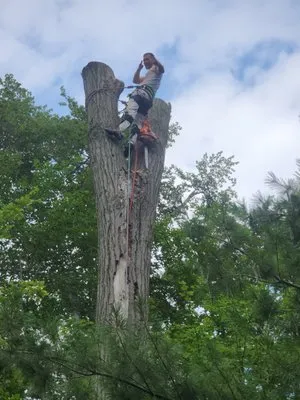
For over 15 years, J-Brid Tree and Hardscapes has been a trusted name in Newbury Township, built on a foundation of respect, hard work, and accountability. Owner John's journey began with a genuine pa...

For over a decade, Damon and Erica DeAndrade have been the local force behind US Lawns in Chardon, bringing deep-rooted expertise to every project. Damon’s journey in landscaping began as a child in N...
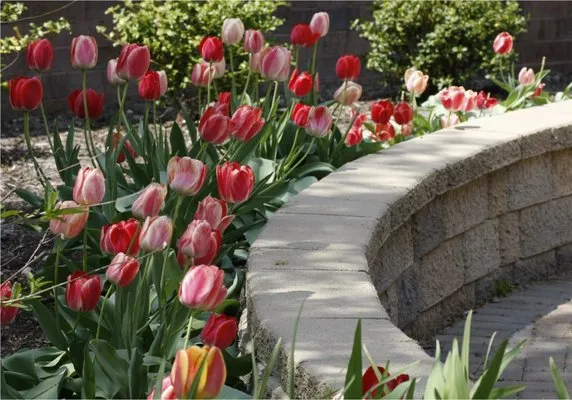
Eastside Landscaping
Eastside Landscaping is a Cleveland-based landscaping company founded in 1985 by owners Jim Freireich and Ned Cultrona. Operating from their South Euclid office, they serve homeowners across Cleveland...

Weed Man in Cleveland provides trusted lawn care and pest management for over 40 years. Our local team understands the specific challenges of Northeast Ohio lawns, from seasonal weather shifts to comm...
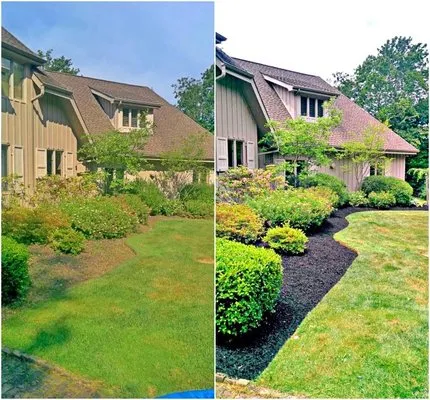
The Grass Guys is a Twinsburg-based landscaping company dedicated to solving common local yard problems. Many homes in the area struggle with standing water and poor lawn grading, which can damage pro...

Lawn Code is a trusted lawn care provider serving Highland Heights, OH, specializing in comprehensive lawn maintenance and health solutions. We understand the common local challenges homeowners face, ...
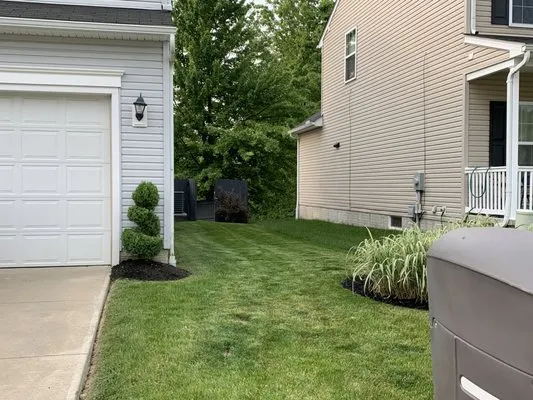
Top Teer Landscaping LLC is a family-owned and operated business serving Cleveland Heights and surrounding areas with reliable home services. We specialize in comprehensive lawn care, including mainte...

Mr Clean Up Nice - Euclid Ohio's Preferred Junk Removal
Mr Clean Up Nice is Euclid, Ohio's trusted partner for a cleaner, safer home. Serving Cleveland and the surrounding communities, we specialize in junk removal, landscaping, and tree services. We under...

Weed Man in South Euclid, OH, has been a trusted name in local lawn care for 40 years. We build our services around the principle of treating your lawn as if it were our own, ensuring honest communica...
Estimated Landscaping Service Costs in Lyndhurst, OH
Q&A
Why does my Lyndhurst Hill lawn have drainage issues and compacted soil?
Lyndhurst Hill properties built around 1958 have soil that has matured for 68 years. Silty clay loam common in this neighborhood becomes dense over decades, reducing permeability to less than 0.5 inches per hour. This compaction limits root penetration for Kentucky Bluegrass and Tall Fescue blends. Annual core aeration with organic compost amendments improves soil structure and water infiltration.
Are concrete pavers better than wood for long-term durability?
Concrete pavers and sandstone offer 25-40 year lifespans versus wood's 10-15 years in Lyndhurst's freeze-thaw cycles. These non-combustible materials maintain the city's Low Fire Wise Rating by creating defensible space without fuel accumulation. Proper installation with polymeric sand joints prevents weed penetration while allowing thermal expansion. Sandstone's natural variation provides slip resistance during winter precipitation events.
Can I reduce lawn maintenance while supporting local ecology?
Replacing 30-50% of traditional turf with Purple Coneflower, Wild Bergamot, Butterfly Milkweed, and Little Bluestem reduces mowing frequency by 40%. These native species require no irrigation once established and support 12-18 pollinator species. Transitioning to electric equipment ahead of 2027 noise ordinance updates eliminates gas blower restrictions while providing 65 dB operation. Mycorrhizae inoculants boost native plant establishment without synthetic inputs.
How do I manage invasive species without using restricted fertilizers?
Japanese knotweed and garlic mustard pose the highest invasion risk in Lyndhurst's urban-wildland interface. Manual removal during early growth stages prevents seed set without violating phosphorus-free fertilizer ordinances. Targeted glyphosate applications in fall when natives are dormant require Ohio Department of Agriculture certification. Soil testing every 3 years identifies nutrient deficiencies that can be addressed with organic amendments during non-blackout periods.
What permits and licenses are needed for landscape grading on my property?
Grading more than 50 cubic yards on a 0.25-acre Lyndhurst lot requires Lyndhurst Building Department approval for erosion control plans. Ohio Landscape Industry Association certification ensures contractors understand soil compaction standards and drainage calculations. Ohio Department of Agriculture licensing is mandatory for any pesticide application during grading operations. Professional engineers must stamp plans altering water flow patterns affecting adjacent properties.
How quickly can you respond to an emergency tree cleanup for HOA compliance?
Emergency storm response from Lyndhurst Community Park via I-271 reaches Lyndhurst Hill within 20-30 minutes during peak hours. Our electric maintenance fleet operates within the 7 AM to 9 PM noise ordinance window without gas-powered equipment restrictions. We prioritize safety assessments before debris removal to prevent property damage during rapid response operations.
What solutions work for water pooling in my clay-heavy yard?
Silty clay loam in Lyndhurst has poor infiltration rates, often causing saturation within 24 hours of moderate rainfall. Installing French drains with clean gravel and geotextile fabric redirects subsurface water away from foundations. Permeable concrete pavers or sandstone installations meet Lyndhurst Building Department runoff standards by allowing 5-8 inches per hour infiltration. Grade adjustments of 2% slope direct surface flow toward designated drainage points.
How do I maintain my lawn during dry periods without violating water restrictions?
Wi-Fi ET-based weather sensing irrigation calculates evapotranspiration rates specific to Lyndhurst's USDA Zone 6a climate. This system applies 0.75-1.5 inches weekly only when soil moisture drops below 50% field capacity. Programming deep, infrequent watering at dawn minimizes evaporation while meeting Kentucky Bluegrass's 1-inch weekly requirement. Municipal conservation protocols are maintained through real-time weather data integration.
