Top Landscaping Services in Logan, OH, 43138 | Compare & Call

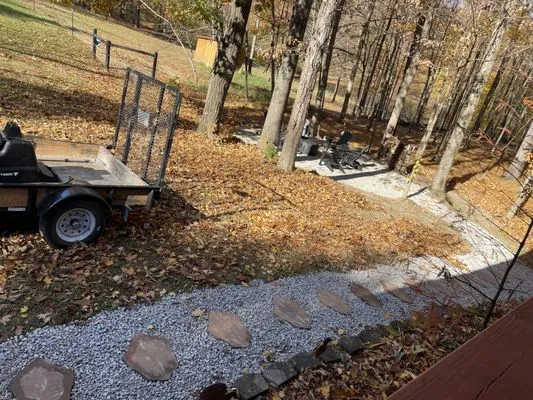
GN & Sons Cabin & Lawn Care is a Logan-based, family-owned business where a shared passion for pristine spaces and healthy lawns drives every job. We combine over a year of dedicated cabin cleaning ex...

Simply Cut Lawn Care is a locally owned and operated lawn service company based in Logan, OH, established in 2010. We specialize in residential lawn care for properties under one acre, offering servic...
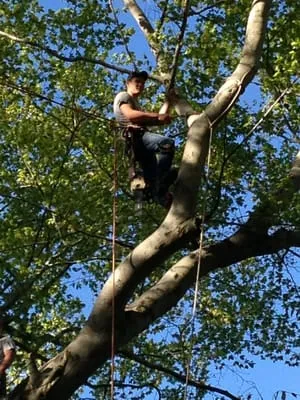
Ruff's Lawn & Tree Service is a trusted local provider in Logan, OH, specializing in comprehensive lawn and tree care solutions. We understand that Logan homeowners frequently face landscaping challen...
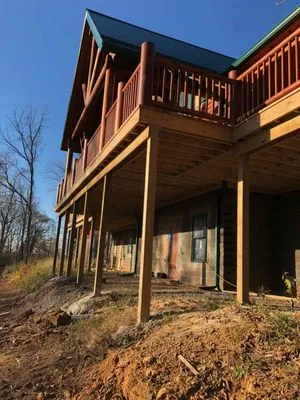
Heritage Contracting is a Logan-based general contracting and landscaping company founded by a local who grew up building log cabins in the Hocking Hills. With a Civil Engineering degree from North Ca...

Greenscene Landscaping is a trusted, locally-owned landscaping company serving Logan, OH, and the surrounding Hocking Hills area. We specialize in tackling the specific lawn and garden challenges comm...
Gallagan Lawn & Landscape is a dedicated local landscaping company serving homeowners throughout Logan, Ohio. We understand the common frustrations Logan residents face with their outdoor spaces, incl...
Perry Lawn Care & Landscaping is a trusted local landscaping company serving Logan, OH, and the surrounding Hocking Hills area. We specialize in comprehensive lawn and landscape solutions tailored to ...

REP Lawn Care is a locally owned and operated business in Logan, OH, founded by two Hocking Hills residents who turned their dream into reality. We specialize in providing affordable and reliable lawn...
Fancy Plants Landscaping is a trusted local landscaping company serving homeowners in Logan, OH. We specialize in addressing common local landscaping challenges, including landscape edging damage and ...

Schultz Lawn Care is a trusted, locally-owned lawn service provider dedicated to helping Logan homeowners achieve and maintain a healthy, vibrant yard. We understand the specific challenges you face, ...
Frequently Asked Questions
My flower beds are being taken over by a fast-spreading vine. What is it, and how do I stop it safely?
The description suggests either invasive Japanese Honeysuckle or Wintercreeper, both prevalent in Zone 6b. Manual removal, ensuring all root fragments are extracted, is the first line of defense. For persistent regrowth, a targeted, foliar-applied glyphosate in late fall minimizes drift and non-target impact. This timing avoids the Ohio Department of Agriculture's guidance blackout periods for Phosphorus application near the Hocking River watershed. Always identify the species conclusively before treatment.
My yard turns into a soggy mess every spring. What's a permanent solution that won't look ugly?
Moderate runoff in Logan is often due to the naturally dense structure of acidic silt loam, which has slow percolation. A graded swale lined with local sandstone offers an effective, permeable solution. Sandstone's natural porosity allows for gradual infiltration, meeting Logan City Planning and Zoning Department standards for onsite stormwater management while blending with the local aesthetic. For severe cases, connecting this system to a dry well or infiltration trench addresses the seasonal high water table directly.
I want to regrade my backyard to fix pooling water. Do I need a permit or a special contractor?
Regrading a 0.22-acre lot in Logan often requires a permit from the Logan City Planning and Zoning Department, as it alters stormwater runoff patterns. The work must be performed or supervised by a professional licensed through the Ohio Department of Agriculture for Landscape Architecture or a related field. This ensures the grading plan accounts for soil permeability, adjacent properties, and compliance with all drainage codes. Unpermitted grading can lead to significant fines and corrective orders.
With no water restrictions right now, should I just set my sprinklers and forget them?
Even under Stage 0 restrictions, efficient water use is critical for long-term turf health and municipal system sustainability. Smart Wi-Fi soil-moisture sensors are calibrated for Logan's acidic silt loam, providing irrigation only when the root zone of Kentucky Bluegrass and Tall Fescue drops below optimal levels. This ET-based scheduling prevents overwatering, which exacerbates runoff into the seasonal high water table and leaches nutrients. The system automatically adheres to any future municipal water limits, protecting your investment.
I'm tired of weekly mowing and gas equipment noise. What's a quieter, lower-maintenance alternative?
Transitioning perimeter areas from high-input turf to a xeriscape of regionally native plants drastically reduces maintenance. A matrix of Little Bluestem grass with Purple Coneflower, Butterfly Milkweed, and Wild Bergamot establishes a self-sustaining ecosystem. This planting requires no weekly mowing, minimal watering once established, and eliminates gas-powered blower use, aligning with future trends in noise ordinance compliance. The deep root systems of these natives also improve soil structure and sequester carbon.
My lawn looks thin and weedy compared to my neighbor's. Did our soil start off differently?
Soil conditions in Downtown Logan are largely shaped by the age of the development. With an average house built in 1961, your soil profile has matured for approximately 65 years. Acidic silt loam, common here, tends to compact over decades of standard maintenance, reducing permeability and root penetration. This compaction creates an environment where moss and opportunistic weeds outcompete desirable turfgrass. Core aeration paired with a surface application of composted leaf mulch is the primary corrective action, reintroducing pore space and organic matter to restore soil function.
A storm knocked down a large limb, blocking my driveway. How quickly can a crew get here for an emergency cleanup?
Emergency storm response dispatch for Downtown Logan operates from a central staging area near the Hocking County Courthouse. Crews travel via US-33, with a peak travel time of 15-25 minutes depending on traffic conditions. The priority is clearing access routes and hazards, not necessarily final debris removal. For HOA compliance issues requiring immediate attention, the same dispatch logic applies, with crews equipped to document conditions for compliance reporting upon arrival.
I'm building a new patio. Is wood or local sandstone a better long-term choice?
Local sandstone provides superior longevity and stability compared to wood. Its mineral composition is resistant to decay, insect damage, and the freeze-thaw cycles of our Zone 6b climate. For creating defensible space, as noted in Logan's Low Fire Wise rating, non-combustible sandstone is a clear safety advantage over wooden decks. Its thermal mass also moderates patio temperature extremes, enhancing usability throughout the season.
