Top Landscaping Services in Litchfield, OH, 44253 | Compare & Call
There are 139 landscaping companies server in Litchfield OH

Right Choice Sprinkler Systems and Lawn Maintenance in Lorain, OH, is a locally owned and operated business with over 20 years of dedicated experience in the field. The owner takes genuine pride in ev...

Impeccable Cuts Lawn Care in Avon, OH, brings over a decade of dedicated lawn service experience to every job. Founded in 2017 by an owner who grew up with a passion for yard work, the business is bui...

Noble Handyman Services is your trusted local solution in Lorain, OH, offering comprehensive handyman, lawn care, and junk removal services to keep your home and property in top condition. We speciali...

Founded in 2021, High Class Grass is a Lorain-based lawn care company built on a simple principle: exceptional results come from genuine care and a deep understanding of each unique property. We are a...
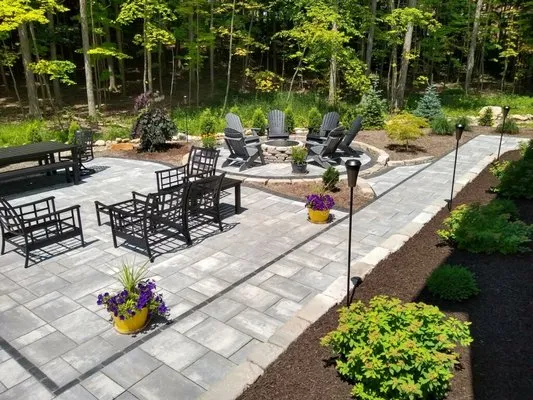
CTR Services
CTR Services is a full-service landscaping and excavation contractor serving Seville, OH, and surrounding Medina County. We specialize in transforming problematic yards into functional, beautiful outd...
Osborne's Landscaping is a trusted, locally-owned landscaping company serving Sheffield Lake, OH, and the surrounding communities. We specialize in comprehensive landscaping, snow removal, and gutter ...

Sonny's Services is a trusted, locally owned and operated business serving Olmsted Falls, OH, and the surrounding communities for over a decade. As a fully licensed and insured provider, we bring reli...

With over two decades of experience in public safety and landscape maintenance, the owner of Tai no Water Features turned a passion into a legitimate business serving Amherst, OH. After years of maint...
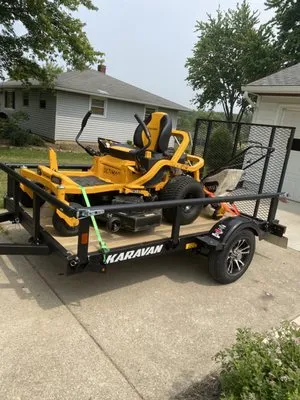
Aspire Mowing & Trimming is a locally operated lawn care service in Amherst, OH, run by a dedicated college student who has been providing reliable mowing, trimming, and blowing services for 3–4 years...
Elias from EZ Does It is your local Oberlin expert for tackling wet basements and foundational wear. Specializing in moisture control and waterproofing installations and repairs, as well as concrete a...
Estimated Landscaping Service Costs in Litchfield, OH
Q&A
How fast can you respond for an emergency tree cleanup after a storm?
Our electric maintenance fleet is dispatched for emergency service within Litchfield. A standard route from Litchfield Town Square via I-71 allows a 20-30 minute arrival during peak response times. This efficiency, coupled with daytime noise ordinance compliance for equipment operation between 7:00 AM and 9:00 PM, ensures rapid mitigation of storm damage to meet most HOA compliance deadlines.
How do I keep my Kentucky Bluegrass and Tall Fescue blend green without wasting water?
Wi-Fi ET-based weather sensing irrigation controllers are the standard for Litchfield. These systems automatically adjust watering schedules based on real-time evapotranspiration data, applying water only when the turfgrass blend needs it. This technology maintains turf health while adhering to municipal conservation guidelines, effectively preventing overwatering even during periods with no formal water restrictions.
What permits and credentials are needed to regrade and landscape my half-acre lot?
Significant grading work on a 0.55-acre lot typically requires a permit from the Medina County Building Department to ensure proper water management and compliance with codes. The contractor must hold appropriate licensing through the Ohio Department of Agriculture for pesticide application if needed. This professional licensing is crucial for work that alters drainage patterns or involves soil amendments on this scale.
I'm tired of weekly mowing. What's a lower-maintenance, eco-friendly alternative?
Transitioning high-input turf areas to a planting of Litchfield natives like Purple Coneflower, Wild Bergamot, Butterfly Milkweed, and Little Bluestem dramatically reduces maintenance. This climate-adaptive xeriscape requires no mowing, minimal water once established, and provides critical habitat. It also future-proofs your property against evolving noise ordinances that restrict gas-powered blowers and mowers.
Why does my yard in Litchfield Center seem so dense and waterlogged compared to new builds?
Most homes in Litchfield Center were built around 1982, meaning the soil profile is approximately 44 years old. Over decades, the native silty clay loam has become compacted from foot traffic and standard maintenance, severely reducing percolation. This compaction, combined with a seasonal high water table, creates poor infiltration. Core aeration and incorporating 2-3 inches of composted organic matter are critical to rebuild soil structure and porosity.
My yard holds water for days. What's a long-term solution that also looks good?
Persistent pooling is common on lots with silty clay loam due to its naturally slow permeability. A functional solution replaces impacted areas with permeable hardscapes like crushed limestone or certain concrete paver systems. These materials allow stormwater to infiltrate on-site, which can help projects meet Medina County Building Department runoff standards while solving the chronic drainage issue.
Are concrete pavers a better choice than wood for a new patio?
For longevity and low maintenance in Litchfield, concrete pavers outperform wood. They are not susceptible to rot, insect damage, or the weathering that affects timber. From a safety perspective, their non-combustible nature contributes positively to defensible space, aligning with the area's low Fire Wise rating by eliminating flammable materials adjacent to structures.
What invasive species should I watch for, and how do I control them safely?
In Litchfield's Zone 6a, watch for aggressive invasives like Japanese Knotweed and Garlic Mustard. Safe treatment involves targeted mechanical removal or approved herbicide applications during active growth phases. All treatments must comply with Ohio's phosphorus-restricted fertilizer ordinance, meaning any soil amendments require a test-proven deficiency, and applications must avoid seasonal blackout dates to protect watersheds.
