Top Landscaping Services in Licking, OH, 43025 | Compare & Call
There are 152 landscaping companies server in Licking OH
Perfect Cut Lawn Service is a Newark-based landscaping company dedicated to solving the common local lawn problems of fungus disease and dead, patchy areas. Our team provides targeted lawn care treatm...
Synergy Services is your local Newark partner for reliable and efficient landscaping solutions. We understand the common frustrations homeowners face, such as malfunctioning irrigation timers and pers...
Antritt's Lawn Sensations has been the trusted choice for Newark, Ohio, landscaping since 1996. Founded on principles of dependability and professionalism, we are your local partner for creating and m...
Davino's Property Management is a trusted Newark, OH, company dedicated to enhancing and preserving residential and rental properties. We understand the common local challenges homeowners face, such a...
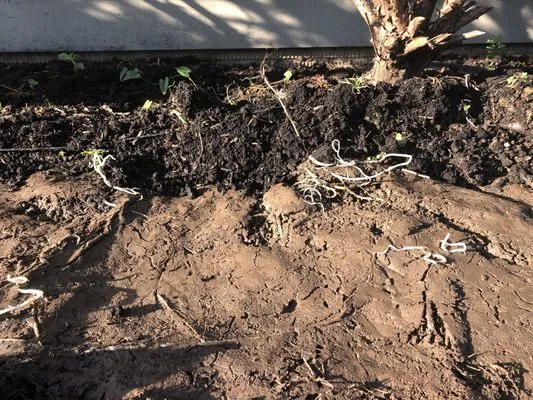
Garden Rescue Rx is a Granville-based landscaping and gutter services company dedicated to helping local homeowners overcome common outdoor challenges. Specializing in comprehensive solutions, we addr...

Kalas Lawn Care is a trusted, local lawn service provider in Newark, Ohio. We specialize in comprehensive lawn care to address the common landscaping challenges Newark homeowners face, such as unsight...
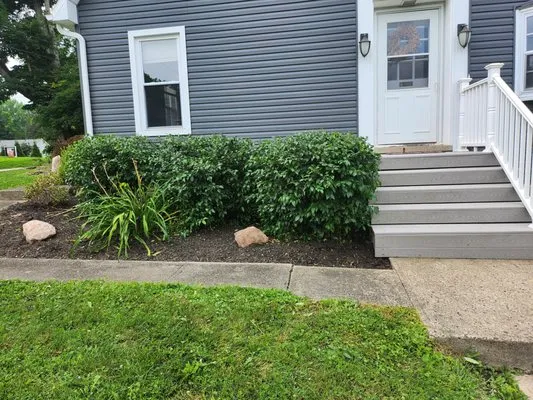
Pro Lawn Services is your trusted, local lawn care partner in Newark, OH. We specialize in comprehensive lawn maintenance tailored to our region's specific challenges, including the common local issue...

Eagleview Dirtworks is a trusted excavation, landscaping, and masonry contractor serving Lowell, OH, and the surrounding communities. We specialize in comprehensive earthmoving, land grading, and land...
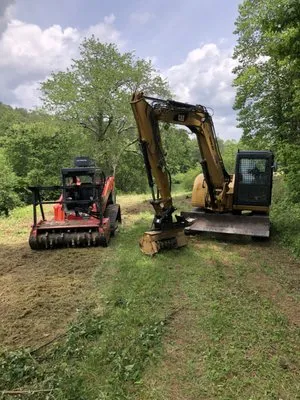
Midwest Clear Cut is a Lancaster-based provider of comprehensive land management and tree services. We specialize in solving common local landscaping challenges, such as poor yard grading and standing...
Goins Excavating
Goins Excavating is a trusted, full-service excavating company serving Granville, OH, and Central Ohio with over 20 years of experience. We specialize in a wide range of excavation, demolition, and la...
Estimated Landscaping Service Costs in Licking, OH
Q&A
I want to reduce mowing and gas equipment noise. What are my options?
Transitioning high-maintenance turf areas to a native plant community is a forward-looking solution. Species like Purple Coneflower, Butterfly Milkweed, Little Bluestem, and Wild Bergamot are adapted to Zone 6a and require no weekly mowing, fertilization, or frequent watering. This xeriscaping approach future-proofs your property against tightening noise ordinances and reduces your landscape's carbon and water footprint significantly.
My backyard stays soggy long after rain. What's the solution?
This is a common issue in Licking's low-lying areas with silt loam over glacial till. The solution combines grading for positive runoff and installing subsurface French drains. For new hardscapes, specify permeable installations using concrete pavers or open-graded crushed limestone bases. These systems increase infiltration and can help meet the Licking County Building and Planning Department's standards for managing stormwater runoff on-site.
How quickly can you respond for an emergency tree limb cleanup after a storm?
Our electric fleet is dispatched for HOA compliance and storm response from the Licking County Courthouse Square area. Using OH-16, we can typically reach Licking Valley Estates within the 25-35 minute peak response window. Our low-decibel, battery-powered equipment allows us to work effectively within the local noise ordinance hours, starting at 7:00 AM.
Do I need a permit to regrade my yard or install a dry creek bed?
Yes. Any significant earthmoving or drainage work on a 0.35-acre lot typically requires review by the Licking County Building and Planning Department to ensure it doesn't adversely affect neighboring properties or public storm systems. Furthermore, this work must be performed by or under the supervision of a professional licensed by the Ohio Department of Agriculture for landscaping or installing erosion control measures, guaranteeing it meets state standards.
Why does my lawn in Licking Valley Estates look tired and compacted?
Homes built around 1978, common in your neighborhood, have soil that has matured for nearly 50 years. The underlying glacial till and the repeated compaction from decades of standard maintenance have reduced permeability in your silt loam soil. Core aeration is essential to improve oxygen flow and water infiltration, followed by top-dressing with compost to rebuild organic matter and support a healthy soil microbiome.
Are concrete pavers a better choice than wood for a new patio?
For longevity and low maintenance in our climate, concrete pavers are superior. They are unaffected by freeze-thaw cycles when installed correctly and do not rot, warp, or attract pests. While Licking has a low Fire Wise rating, pavers and crushed limestone provide non-combustible, defensible space immediately around a structure. Their permeability, when installed with proper base materials, also aids in managing the site's drainage.
Is a smart irrigation system worth it in Licking if we have no water restrictions?
Absolutely. Smart Wi-Fi soil moisture sensor controllers are a proactive conservation tool. They apply water based on actual evapotranspiration (ET) and soil conditions, not a fixed schedule. This prevents overwatering, which exacerbates our moderate seasonal saturation issues, and ensures your Kentucky Bluegrass and Tall Fescue blend receives precise hydration, conserving municipal water before restrictions become necessary.
What invasive species should I watch for, and how do I manage them?
Be vigilant for invasive plants like Japanese knotweed, garlic mustard, and Callery pear. Manual removal is effective for small infestations. For larger issues, targeted herbicide application by a licensed professional is often required. All treatments must use phosphorus-free fertilizers and chemicals unless a soil test confirms a deficiency, in compliance with local ordinance. Timing control efforts outside of native plant blooming periods is crucial for pollinator protection.
