Top Landscaping Services in Lick, OH, 45640 | Compare & Call
There are 196 landscaping companies server in Lick OH
Barbeau Lawn & Landscape serves Westerville, OH, and the surrounding Central Ohio area with dedicated lawn care and snow removal services. We focus on the specific needs of local homeowners and small ...

Hoffmans Lawn & Fertilization has been a trusted, locally-owned and operated Delaware, OH service provider since 2013. As a fully licensed and insured company, we take pride in offering comprehensive ...
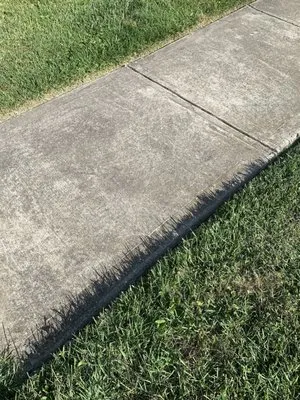
AP Lawn Care Service is a Columbus-based lawn care provider dedicated to maintaining and restoring the health and beauty of local lawns. We specialize in comprehensive lawn care services, including ad...
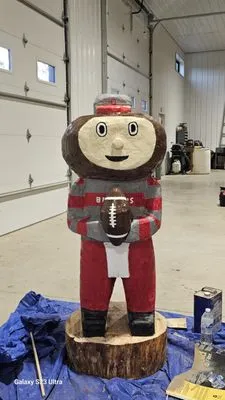
Arboristsam Tree Care is a trusted local tree and lawn service provider serving Canal Winchester, OH, and surrounding areas. With expertise in tree care, removal, pruning, stump grinding, and lawn mai...
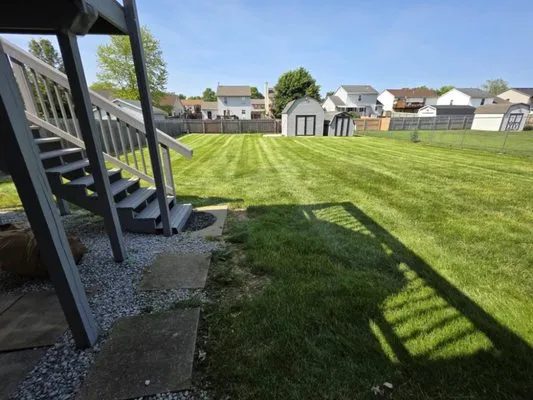
D&M Lawn Care is a Columbus-based lawn service provider dedicated to helping local homeowners maintain healthy, attractive outdoor spaces. We specialize in comprehensive lawn care solutions including ...
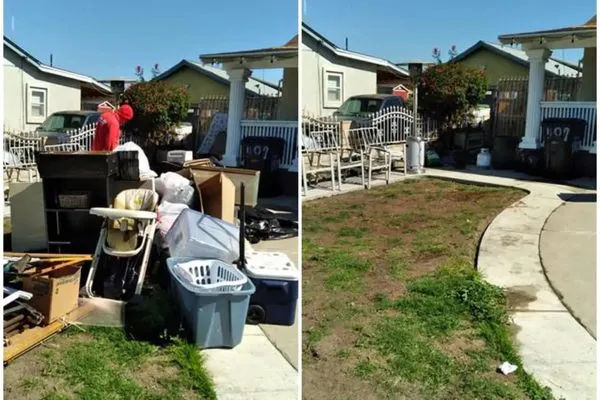
All In One Maintenance is a Dublin, OH-based company specializing in comprehensive property maintenance solutions for both residential and commercial clients. We offer junk removal and hauling, landsc...

Charter Oaks Tree & Landscaping
Since 1984, Charter Oaks Tree & Landscaping Co. has been a trusted, family-owned name for Westerville and Central Ohio. Founded and operated by certified arborist Phil Mallory, we bring decades of loc...

The Fix It Brothers are your trusted, local handyman team serving Newark and Licking County. As a family-owned and operated business, we bring a personal touch to every project, whether it's a quick d...
Wright Caliber Construction
Wright Caliber Construction is a family-owned and operated business proudly serving Plain City and the surrounding communities. As an established construction LLC with deep roots in central Ohio, we b...
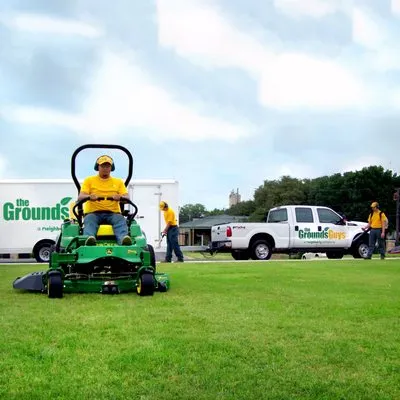
The Grounds Guys of New Albany is a locally owned and operated grounds care company serving residential and commercial clients throughout New Albany, OH. Built on a family tradition of caring, we brin...
Estimated Landscaping Service Costs in Lick, OH
Common Questions
How should I manage invasive species without using restricted fertilizers?
Early identification of invasive plants like Japanese knotweed or garlic mustard allows manual removal before seed set. Spot treatments with EPA-approved herbicides applied during active growth phases avoid phosphorus fertilizer blackout dates. Soil testing every 3 years determines specific nutrient deficiencies, enabling targeted amendments that don't violate local ordinances. Integrating mycorrhizal inoculants during planting establishes symbiotic relationships that naturally suppress weed establishment.
Why does my lawn in Lick Creek Estates struggle with compaction and poor drainage?
Lick Creek Estates homes average 60 years of age, creating mature soil profiles with reduced permeability. Slightly acidic silt loam soils in this neighborhood naturally compact over decades, limiting oxygen exchange and water infiltration. Core aeration every 2-3 years introduces air channels while top-dressing with composted organic matter improves soil structure. These practices address the historical accumulation of thatch and restore microbial activity essential for nutrient cycling.
How quickly can you respond to emergency storm damage for HOA compliance?
Emergency cleanup crews dispatch from the Lick County Courthouse area via OH-32, reaching Lick Creek Estates within 25-35 minutes during peak conditions. Our electric maintenance fleet operates within decibel limits enforced from 8 PM to 7 AM, allowing after-hours response without noise ordinance violations. We prioritize safety assessments, debris removal, and temporary stabilization to meet HOA requirements while scheduling permanent repairs during standard hours.
Are permeable clay pavers better than wood for patio installations in Lick?
Permeable clay pavers offer 50+ year lifespans with minimal maintenance compared to wood's 15-20 year replacement cycle. Their interlocking design creates stable surfaces that accommodate root growth without heaving while allowing 30-40% water infiltration. In Lick's low Firewise rating areas, non-combustible pavers provide defensible space without contributing to fire spread. Proper installation with geotextile fabric and angular gravel base prevents weed penetration and maintains structural integrity through freeze-thaw cycles.
How do I maintain my Kentucky Bluegrass/Tall Fescue blend during dry periods without violating water restrictions?
Wi-Fi ET-based weather sensing irrigation systems calculate evapotranspiration rates to deliver precise water volumes matching plant needs. This technology automatically adjusts for rainfall, humidity, and temperature while staying within Stage 0 municipal guidelines. Programming deep, infrequent watering cycles encourages deeper root growth and drought tolerance. Regular system audits prevent runoff and ensure uniform coverage across your 0.35-acre property.
What solutions address seasonal high water tables and poor infiltration in Lick's silt loam soils?
Seasonal saturation in slightly acidic silt loam requires subsurface drainage systems like French drains or dry wells to redirect groundwater. Permeable clay pavers installed with proper base materials create infiltration zones that meet Lick County Building & Zoning Department runoff standards. Grading adjustments with 2% minimum slope away from structures prevent ponding while preserving existing tree root zones. These approaches mitigate the poor percolation characteristic of compacted urban soils.
What permits and licenses are required for grading work on my 0.35-acre lot?
Grading projects altering more than 100 square feet require Lick County Building & Zoning Department permits with engineered drainage plans. Contractors must hold Ohio Department of Agriculture licensing for landscape architecture or excavation work exceeding $500 in value. Professional liability insurance covering $1 million minimum protects against subsurface utility damage or neighbor property impacts. These requirements ensure compliance with sediment control regulations and prevent unauthorized alteration of natural drainage patterns.
What low-maintenance alternatives exist for high-input turf areas?
Transitioning to native plant communities featuring Purple Coneflower, Butterfly Milkweed, Little Bluestem, and Wild Bergamot reduces water consumption by 70-80% compared to conventional turf. These species establish deep root systems that improve soil structure and require no gas-powered maintenance equipment, aligning with evolving noise ordinance restrictions. Native plantings support local pollinator populations while providing year-round visual interest through seasonal blooms and seed heads.
