Top Landscaping Services in Lexington, OH, 44201 | Compare & Call

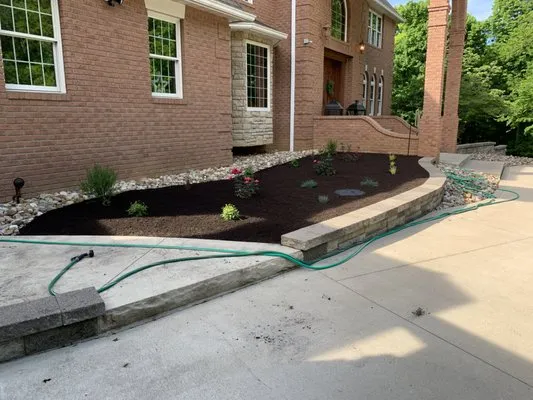
Oyster Lawn Care is a trusted lawn service provider serving Lexington, OH, dedicated to helping homeowners maintain healthy, beautiful outdoor spaces. Many homes in Lexington face common landscaping c...

TruGreen Lawn Care in Lexington, OH is a local provider specializing in comprehensive lawn and tree services for the community. With a focus on tailored solutions, they offer lawn care including aerat...
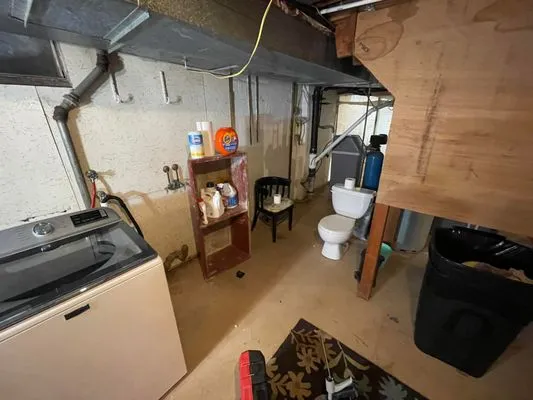
Power Scape Property Maintenance is your trusted local partner in Lexington, Ohio, for comprehensive property care. We specialize in landscaping, flooring, and pressure washing services, helping homeo...

From the Ground Up Tree & Landscaping
From the Ground Up Tree & Landscaping is your trusted, full-service partner for transforming properties in Lexington, OH, and the surrounding Richland County area. We specialize in comprehensive lands...
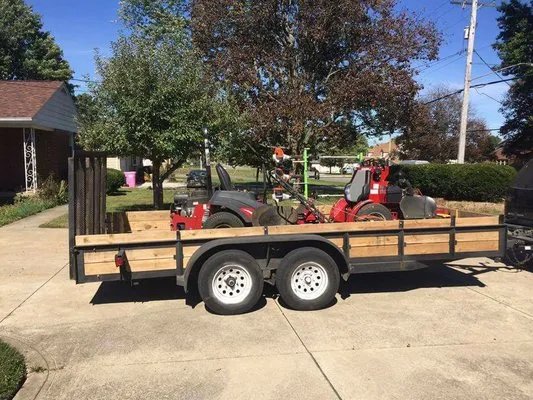
Fackelman Lawn Care is a trusted, locally-owned lawn service provider in Lexington, OH. We specialize in professional lawn care and gutter services to help homeowners achieve a healthy, beautiful outd...
FAQs
We want to regrade part of our yard. What permits or licensed pros do we need?
Regrading a 0.35-acre lot typically requires a permit from the Lexington Village Zoning Department, especially if it alters water runoff patterns to adjacent properties. The work must be performed by or under the supervision of a professional licensed by the Ohio Department of Agriculture for landscaping or similar earth-moving activities. This ensures compliance with state erosion control standards and protects you from liability related to improper drainage or structural damage.
How can I keep my lawn green without wasting water or breaking any rules?
Utilizing Wi-Fi, ET-based weather-sensing irrigation is the most effective method. This system calculates evapotranspiration (ET) rates, applying water only to replace what your Kentucky Bluegrass and Tall Fescue blend has lost. It automatically bypasses cycles during rainfall, ensuring precise hydration within municipal water limits. This technology is critical for maintaining turf health under normal water restrictions and during potential future conservation phases.
We're adding a patio. Are concrete pavers or a wooden deck better for our area?
In Lexington's USDA Zone 6a climate, concrete pavers and sandstone offer superior longevity with minimal maintenance compared to wood, which requires frequent sealing and is susceptible to rot. For fire safety, both materials are non-combustible, contributing to the low Fire Wise rating and defensible space standards for standard residential compliance. Pavers also allow for frost-heave resistance and easy repair of individual units if settling occurs.
I've spotted what looks like Japanese Knotweed. How do I handle it correctly?
Japanese Knotweed is a high-priority invasive species alert for this region. Professional treatment with targeted, systemic herbicide is often necessary for eradication, as mechanical removal typically spreads it. Any application must strictly adhere to the Ohio Department of Agriculture's state fertilizer ordinance, avoiding impervious surfaces and following label rates. Treatment timing is critical for effectiveness and should be scheduled outside of any local blackout dates for chemical applications.
My lawn seems thin and struggles to drain after rain. Is this just normal aging for Lexington?
This is a common soil profile issue for homes built in the 1970s, like many in Lexington Village Center. Your lot's 53-year-old soil structure, a silt loam with high clay content, has become compacted over decades. This reduces permeability, causing the seasonal saturation you observe. Core aeration and top-dressing with composted organic matter are essential to rebuild pore space, improve drainage, and enhance root development for your turf.
A storm just knocked down a large limb. How fast can a crew get here for emergency cleanup?
Our standard emergency dispatch for Lexington Village Center routes from our staging area near Lexington Community Park. Taking I-71 provides direct access, with a target arrival window of 20-30 minutes during peak response times. All work complies with the local noise ordinance, allowing operations within the 8:00 AM to 8:00 PM window for immediate hazard removal and site stabilization.
My patio area floods every spring. What's a long-term solution that won't look out of place?
The moderate seasonal saturation is due to the underlying silt loam's low permeability. Replacing solid concrete with permeable concrete pavers or dry-laid sandstone creates a surface that allows water to infiltrate. This meets modern runoff standards often required by the Lexington Village Zoning Department for new hardscape. Integrating a gravel base layer beneath the pavers further enhances subsurface drainage away from your foundation.
I'm tired of weekly mowing. What are my options for a quieter, lower-maintenance yard?
Transitioning high-maintenance turf areas to a xeriscape featuring native plants like Purple Coneflower, Butterfly Milkweed, and Little Bluestem drastically reduces mowing and watering needs. This approach aligns with evolving municipal trends, reducing reliance on gas-powered equipment subject to noise ordinances. A native planting scheme supports local biodiversity, requires no fertilizer once established, and provides year-round visual interest with minimal input.
