Top Landscaping Services in Leesburg, OH, 45135 | Compare & Call
There are 45 landscaping companies server in Leesburg OH
Ravenshorn Landworks is a Xenia-based excavation and landscaping contractor dedicated to solving common local property challenges. Many homeowners in the area struggle with lawn insect damage and pers...
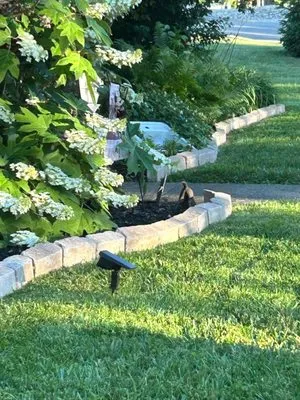
Green Lawns By Jesse is a trusted local lawn care service in Washington Court House, OH, dedicated to solving common local lawn problems. We specialize in addressing issues like tree root lawn damage ...

L&S Lawn Care And Clean Up Service
L&S Lawn Care And Clean Up Service is your trusted local partner for maintaining a healthy and beautiful property in Washington Court House. We specialize in comprehensive lawn care and expert tree se...
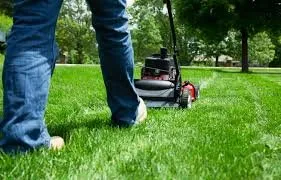
McMurray Lawn Care is your trusted, local partner for a healthier, more resilient lawn in Washington Court House, OH. We understand that common local challenges like bare patches and poor lawn grading...
Topps Tree Services & Landscaping is a trusted, locally-owned company serving Leesburg, OH, and surrounding areas. We specialize in comprehensive tree care and landscaping solutions designed to enhanc...
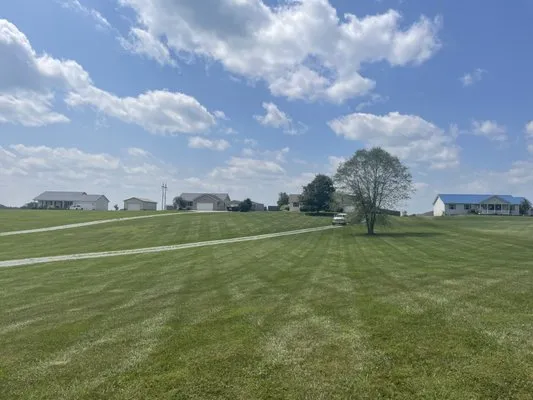
Raypole's Mowing in Greenfield, OH, is a locally owned and operated lawn care and snow removal service dedicated to providing reliable, high-quality work for homeowners in the area. Founded by owner C...
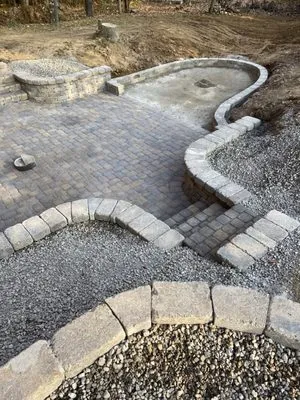
With over 24 years of professional experience, Mario and the team at Turtle's Mulching Service bring a practical, hands-on approach to landscaping in Circleville. We specialize in turning your propert...
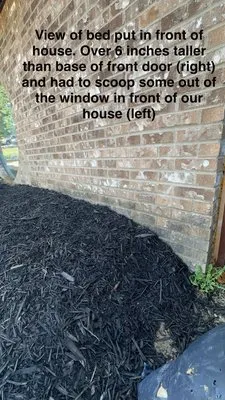
At JC Stone Landscaping in Circleville, our work is built on a foundation of clear communication and a commitment to seeing every project through to your complete satisfaction. From our first conversa...
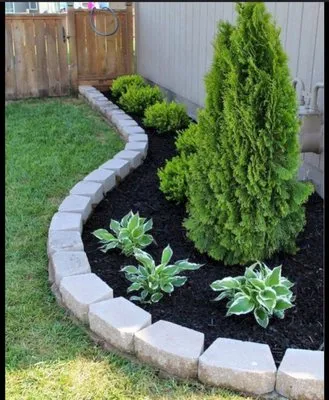
T and D Landscaping is a dedicated, locally-owned landscaping company serving Bloomingburg, OH, and the surrounding areas. Founded on a passion for the craft, we believe in turning your outdoor dreams...
Founded on a foundation of over six years of hands-on experience, E & M Tree & Lawn Service is a family-owned business proudly serving Springfield, OH. We built our company from the ground up, transit...
Estimated Landscaping Service Costs in Leesburg, OH
Q&A
What permits or licenses are needed to regrade my backyard?
Significant regrading on a 0.25-acre lot typically requires a permit from the Highland County Building Department to ensure proper drainage and erosion control. The contractor must hold appropriate licensing through the Ohio Department of Agriculture for landscape architecture or construction. This ensures the work meets structural and environmental standards, protecting your property and complying with local codes governing soil disturbance and water management.
Are concrete pavers a better long-term choice than wood for a new patio?
Concrete pavers offer superior longevity and lower maintenance than wood in our climate. They have high permeability when installed correctly, reducing runoff. In a Low Fire Wise Rating zone like Leesburg, non-combustible materials like pavers or crushed limestone also contribute to defensible space, though not legally required here. Their durability makes them a sound investment compared to wood's decay and replacement cycle.
How do I keep my Kentucky Bluegrass lawn green without wasting water or violating restrictions?
Wi-Fi ET-based weather sensing irrigation is the standard solution. This system automatically adjusts watering schedules based on real-time evapotranspiration data, applying only the precise amount needed. It prevents overwatering in Blount-Pewamo soils, which have low permeability, and keeps your Tall Fescue mix healthy within normal municipal water limits. This technology is a proactive measure for conservation, even without active restrictions.
My yard has areas that hold water for days after a rain. What's the best fix?
Moderate seasonal ponding is a known issue with high-clay Blount-Pewamo soils. A graded French drain system is often required. For hardscape areas, specifying permeable concrete pavers or an open-graded crushed limestone base can significantly increase surface infiltration. These solutions help manage runoff to meet Highland County Building Department standards for new installations and alleviate the common saturation in older lots.
What invasive plants should I watch for, and how are they treated safely?
Be alert for Japanese Knotweed and Garlic Mustard, which threaten native plant communities. Treatment involves targeted manual removal or approved herbicide applications during specific growth stages. All methods must follow Ohio's Best Management Practices for Nitrogen, avoiding application blackout dates to protect watersheds. Correct identification and timing are crucial to prevent spread without violating state fertilizer ordinances.
How quickly can you respond to an emergency like a storm-downed tree branch blocking a driveway?
For urgent HOA compliance or safety issues, our electric fleet can dispatch from Leesburg Village Park. Using US Route 62, we can typically reach a Central Historic District property within 20-30 minutes during peak hours. This routing avoids downtown congestion, and our quiet equipment complies with standard daytime noise ordinances, allowing immediate work upon arrival without disturbing the neighborhood.
I want to reduce mowing and chemical use. What are my options?
Transitioning high-maintenance turf to a xeriscape with native plants like Purple Coneflower, Butterfly Milkweed, and Little Bluestem is a forward-thinking strategy. These species are adapted to Zone 6a, require minimal water, and support 2026 biodiversity goals. This shift also reduces dependency on gas-powered equipment, aligning with evolving noise ordinances and moving maintenance toward quieter, electric solutions.
My lawn soil seems compacted and thin. Is this common for older Leesburg homes?
Yes, this is typical for properties built around 1970. Your Central Historic District lot has likely developed Blount-Pewamo Silt Loam over 55+ years, which has a high clay fraction that compacts easily. This reduces soil percolation and root penetration, leading to seasonal ponding. Core aeration every other year and top-dressing with compost are critical to improve soil structure and organic matter, directly addressing the inherent density of this soil type.
