Top Landscaping Services in Lanier, OH, 45311 | Compare & Call
There are 196 landscaping companies server in Lanier OH
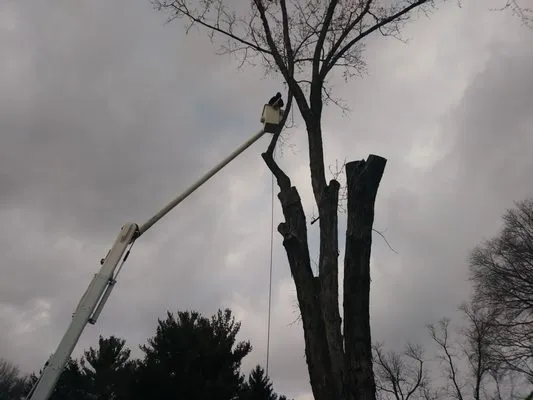
Delong Forestry & Landscaping is a family-operated business founded in Springfield in 2014, built on a foundation of over 21 years of hands-on, in-field experience. We provide dependable tree care and...
I'm the owner of Purelawn Organic Lawncare, a Dayton-based lawn care expert with deep roots in the community. After graduating from the University of Dayton in 2004 and working in the industry since m...
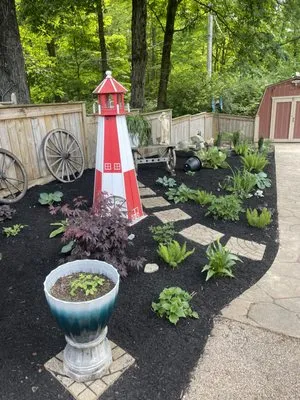
SDM Lawn Services is a trusted, local lawn care provider dedicated to keeping Dayton, OH properties healthy and beautiful. We understand the unique challenges homeowners face in our area, from persist...

Spradlin & Sons Lawn Care is a family-owned, full-service landscaping and property maintenance company serving Clayton, Ohio. We are committed to providing quality services at discount pricing with a ...

Central Miami Services is a full-service excavation, landscaping, and masonry contractor based in Dayton, OH. We specialize in transforming outdoor spaces and building strong foundations for homes and...
Ravenshorn Landworks is a Xenia-based excavation and landscaping contractor dedicated to solving common local property challenges. Many homeowners in the area struggle with lawn insect damage and pers...
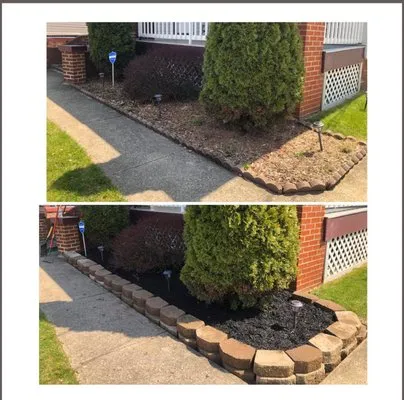
S&C Landscaping is a trusted landscaping and gutter services provider based in Ross, OH, serving the Butler County area. We specialize in comprehensive outdoor solutions, including gardening, landscap...
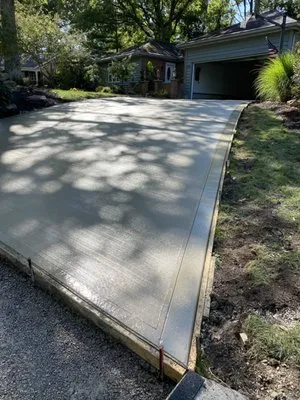
C&J Construction Services
C&J Construction Services is a Dayton, OH family-owned business built on a foundation of local experience. Brothers Caleb and Jesse Chadrick started working in construction over a decade ago, learning...
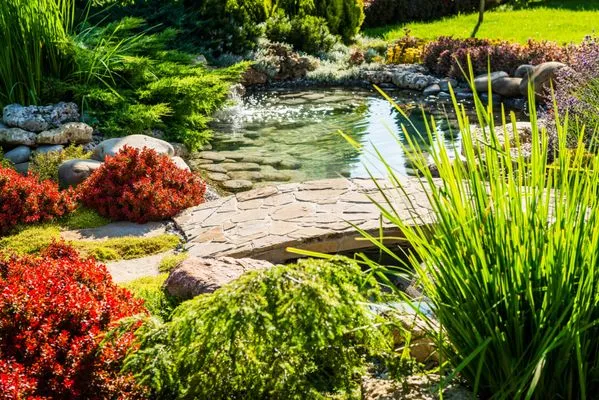
Mobe’s Mulch & Landscaping
Mobe’s Mulch & Landscaping is your trusted local partner for transforming outdoor spaces in Beavercreek Township. We specialize in comprehensive landscape and greenscape design, irrigation system plan...
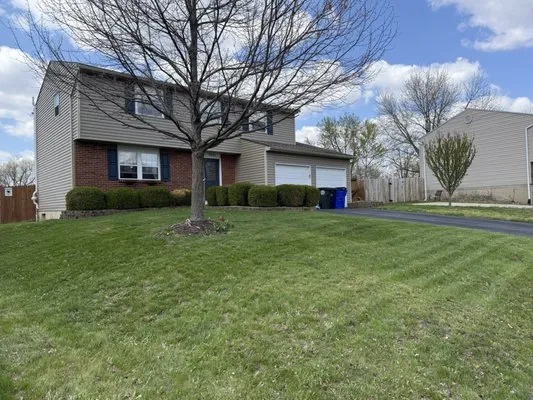
Sunnyside Lawncare is a locally owned and operated service in Huber Heights, founded by a brother-and-sister team. Their inspiration came directly from a personal challenge: when one of the founders n...
Estimated Landscaping Service Costs in Lanier, OH
Q&A
Do I need a permit to regrade and fix drainage on my quarter-acre lot?
Yes. Any significant regrading that alters water flow or involves excavating beyond a minimal depth requires a permit from the Lanier Building & Zoning Department. For the work itself, ensure your contractor holds appropriate licensing through the Ohio Landscape Industry Association (OLIA). This ensures they are bonded, insured, and knowledgeable about state and local codes regarding soil disturbance and waterway buffers, which is critical on a 0.25-acre property.
I want to reduce mowing and gas-powered equipment noise. What are my options?
Transitioning high-maintenance turf areas to a xeriscape of Ohio natives like Purple Coneflower, Butterfly Milkweed, and Little Bluestem significantly reduces mowing and eliminates the need for gas-powered blowers. This aligns with Lanier's noise ordinance and creates a resilient, low-input landscape. Such plantings support local biodiversity and are inherently adapted to Zone 6a conditions, requiring minimal supplemental water once established.
How can I maintain a healthy Tall Fescue blend while following Lanier's voluntary water conservation rules?
Wi-Fi ET-based irrigation systems are the standard for compliance. These controllers automatically adjust watering schedules using real-time evapotranspiration data from local weather stations, applying water only when needed. This technology can reduce water use by 20-30% compared to traditional timers while preserving turf health. It is the most effective method to adhere to Stage 1 conservation and prepare for potential stricter future mandates.
My lawn soil seems compacted and unhealthy. Is this a common problem in the Historic District?
Properties in Lanier's Historic District, with an average construction date of 1974, have soils that have matured for over 50 years. The prevalent slightly acidic silt loam is prone to compaction from decades of standard maintenance, reducing permeability and oxygen availability. Core aeration every 1-2 years, combined with top-dressing compost, is essential to rebuild soil structure and microbial activity. This addresses the inherent density of this soil type without requiring a full soil replacement.
If a major storm downs a tree on my property, how quickly can a crew arrive for an emergency cleanup?
For emergency response in Lanier, crews typically dispatch from the Civic Center area. Using I-71, the estimated travel time to most Historic District locations is 25-35 minutes during peak conditions. The primary delay factor is navigating debris-blocked secondary roads. We prioritize safety assessments and immediate hazard mitigation upon arrival to secure the site before full cleanup operations begin.
Are permeable clay pavers a better choice than composite decking for a new patio?
For longevity and ecological function in Lanier, permeable clay pavers are superior. They offer a centuries-long lifespan, excellent freeze-thaw durability in Zone 6a, and manage onsite stormwater. While composite decking requires ongoing maintenance and offers no permeability, pavers contribute to a landscape's defensible space, which is a consideration even in Lanier's low Fire Wise rating urban setting.
My yard has a low spot that stays soggy for weeks. What's a long-term solution that meets city codes?
Moderate seasonal saturation is common in Lanier's silt loam soils due to their slow percolation rate. A graded French drain system, daylighting into a safe dispersal area, is the engineered solution. For any new patios or paths, specifying permeable clay pavers increases surface infiltration and helps meet the Lanier Building & Zoning Department's stormwater runoff standards for residential properties.
I've spotted what looks like Japanese Knotweed. How should I handle it without harming the environment?
Japanese Knotweed is a high-priority invasive in Ohio. Treatment requires a targeted, foliar-applied glyphosate formulation in late summer, strictly following the herbicide label. This timing avoids violating the local fertilizer ordinance's blackout periods for frozen or saturated ground. Never attempt to dig or mow it, as this promotes spread. Eradication often requires multiple professional seasons of treatment.
