Top Landscaping Services in Hilliard, OH, 43016 | Compare & Call

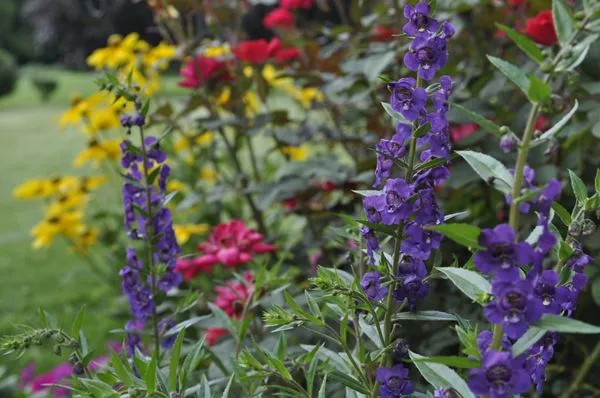
Michael Todd's Landscape Specialties brings over 35 years of horticultural expertise to every project in Hilliard, OH. As outdoor and plant people, we are passionate about creating beautiful, function...

Seely's Landscape Nursery is a family-owned Hilliard business with over 17 acres dedicated to growing and installing beautiful landscapes. We cultivate 60% of our own plants right here in central Ohio...

For over two decades, Faber Landscaping and Greenery has been a trusted, family-owned partner for homeowners in Hilliard and the greater Columbus area. Rooted in local experience, we specialize in com...
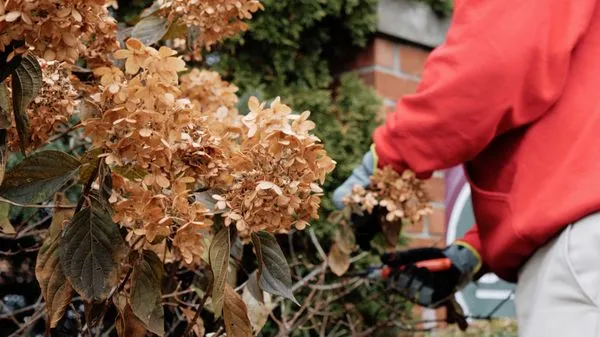
Central Liberty Properties
Central Liberty Properties is a Hilliard-based landscaping and property maintenance company founded in 2013 by father and son duo, Ken and Holden Hamilton. Holden, a Grove City High School graduate, b...

Blue Oak Patio & Landscape is a locally owned and licensed landscaping company serving the Hilliard, Ohio community since 2018. Our team of designers brings more than 25 years of combined experience t...
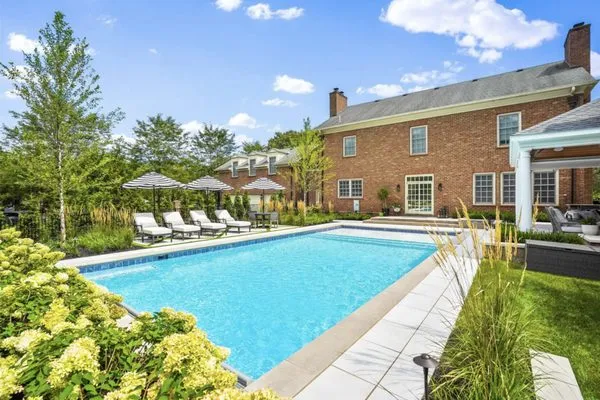
Hidden Creek Landscaping
Hidden Creek Landscaping has been a trusted presence in Hilliard and Central Ohio since 1998. Founded by Matt Seiler and Jason Cromley, classmates in Ohio State's Landscape Architecture program, the c...
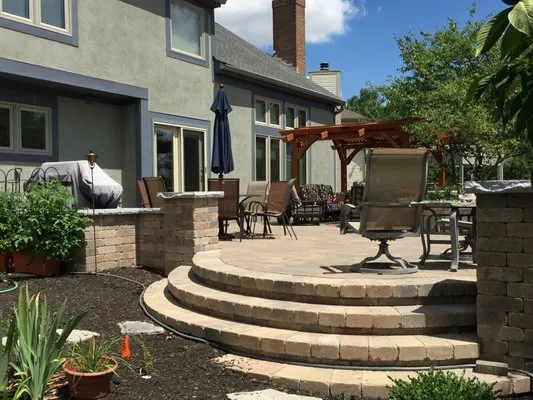
Buck and Sons Landscape is a family-owned, full-service landscaping company serving Hilliard, OH, and the greater Columbus area since 1972. Founded by Charlie and Marianna Buck, the business has grown...

One Call Lawn Care is a Hilliard-based landscaping company dedicated to transforming local properties with comprehensive lawn and shrub care. We specialize in solving challenging lawn issues, from ins...
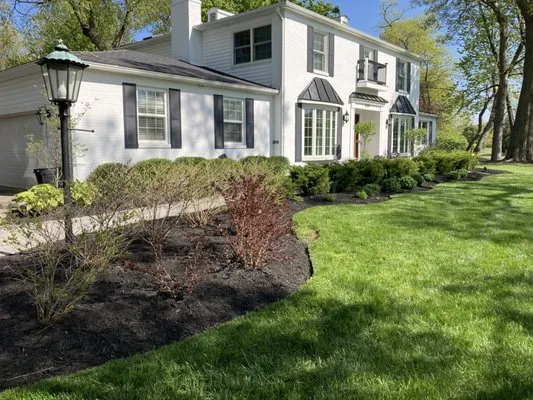
Stemen Lawn Care is a family-operated lawn service in Hilliard, OH, with over a decade of experience providing reliable lawn care and landscaping solutions. We focus on practical services like lawn mo...
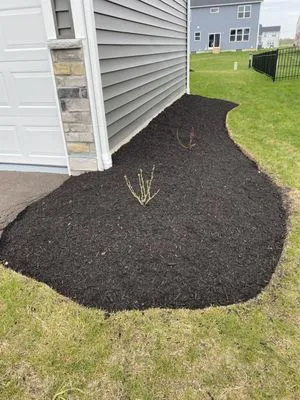
3 Suns of Columbus is a family-owned and operated landscaping and cleaning service based in Hilliard, serving the greater Columbus area. Founded on the principle of treating every client's property wi...
Questions and Answers
Are permeable pavers more durable than wooden decks?
Permeable concrete pavers typically last 25+ years with minimal maintenance, resisting moisture damage and insect infiltration that degrade wood within 10-15 years. Their modular design allows for easy replacement of individual units if settling occurs. For Hilliard's low Firewise rating, pavers create defensible space without combustible materials, maintaining accessibility while reducing fire ladder fuels—a consideration increasingly relevant as suburban zones evaluate climate-adaptive hardscaping standards.
How quickly can you respond to an HOA violation notice for overgrown vegetation?
Emergency compliance crews dispatch from Roger A. Reynolds Municipal Park via I-270, reaching most Old Hilliard properties within 20-30 minutes during peak hours. This routing avoids residential congestion while maintaining noise ordinance compliance with electric equipment operating between 7:00 AM and 9:00 PM. The response includes immediate mowing, edging, and debris removal to meet HOA standards, with follow-up scheduling for deeper landscape corrections if needed.
How do I control invasive species without harming waterways?
Identify common invaders like Japanese knotweed or garlic mustard before they seed, using manual removal or targeted herbicide applications during dry periods. Ohio's phosphorus ordinance prohibits fertilizer near drainage paths, so opt for slow-release organic amendments applied away from water flow lines. Treatment timing avoids spring blackout dates when runoff risks peak, combining cultural controls with mycorrhizae inoculants to strengthen native plant competitiveness against invasive colonization.
Why does water pool in my yard after moderate rain?
Miamian-Celina Silt Loam has naturally poor infiltration rates, exacerbated by seasonal high water tables common in Hilliard's topography. Installing permeable concrete pavers creates subsurface drainage channels that redirect water away from foundations while meeting Hilliard Division of Planning runoff standards. These pavers achieve 80-90% permeability rates, reducing standing water by integrating gravel bases and geotextile layers that filter sediments before recharge into groundwater systems.
What permits are needed to regrade my 0.25-acre property?
Regrading projects altering drainage patterns or adding over 100 square feet of impervious surface require Hilliard Division of Planning approval with engineered drainage plans. Ohio Department of Agriculture licensing mandates that landscape architects or certified contractors supervise significant earthmoving on quarter-acre lots to prevent soil erosion into municipal systems. Unpermitted grading risks fines up to $5,000 and mandatory restoration, as even modest slope changes can redirect water onto neighboring properties or compromise foundation stability.
Why does my Old Hilliard lawn struggle despite regular care?
Homes built around 1996 in Old Hilliard typically have 30-year-old soil profiles of Miamian-Celina Silt Loam. This soil type naturally compacts over decades, reducing pore space for root growth and water infiltration. Core aeration every 1-2 years is essential to break up compaction layers and incorporate organic amendments like compost. Without this intervention, even proper fertilization yields limited results due to restricted root zones and poor nutrient uptake in mature suburban soils.
Should I water my Kentucky Bluegrass daily during dry spells?
No—daily watering promotes shallow roots and wastes municipal resources. Wi-Fi ET-based weather sensing irrigation calculates actual evapotranspiration rates, delivering precise water volumes only when soil moisture drops below optimal levels. This technology maintains turf health while conserving 20-40% more water than traditional timers. With Hilliard at Stage 0 water restrictions, ET-based systems prevent overwatering violations and adapt automatically to rainfall, reducing runoff into seasonal high water tables.
What alternatives exist for noisy gas-powered lawn maintenance?
Transitioning to native plantings like Purple Coneflower, Butterfly Milkweed, and Little Bluestem reduces mowing frequency by 70-90% while providing year-round habitat. These deep-rooted perennials require no blowing or trimming, aligning with evolving noise ordinances restricting gas equipment. Electric maintenance fleets now handle minimal upkeep quietly during permitted hours, with native ecosystems naturally suppressing weeds through dense growth patterns that outperform conventional turf in biodiversity metrics.
