Top Landscaping Services in Hartville, OH, 44632 | Compare & Call
There are 204 landscaping companies server in Hartville OH

Hoffman's Landscaping is a trusted, locally-owned lawn care service based right here in New Franklin, OH. We understand the unique challenges homeowners face in our community, from the aftermath of se...
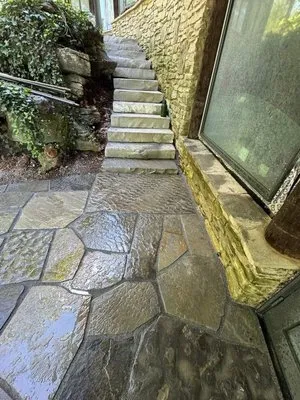
Zitos Landscaping is a family-run business founded by Jonathan Zito, dedicated to serving Akron and surrounding Ohio communities with integrity and skill. We believe a beautiful, functional yard is bu...

Boyle's Nursery & Landscaping
Boyle's Nursery & Landscaping has been a trusted name in Mogadore, OH, since 1948, specializing in locally raised plants and comprehensive landscaping services tailored to Northeast Ohio's climate. As...
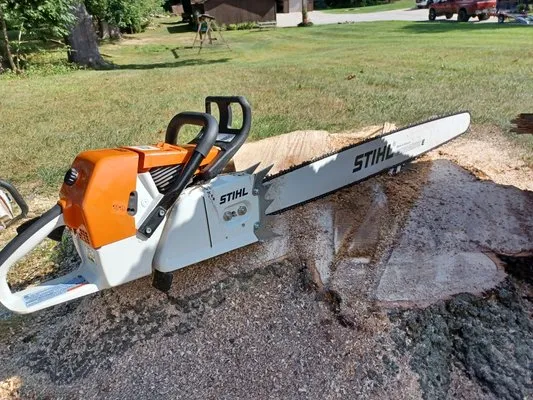
Apex Solutionz Tree Service is a locally owned and licensed tree care provider serving Ravenna, OH, and the surrounding area. Since 2017, our experienced and professionally trained crew has been dedic...
Drukenbrod's Landscaping
Drukenbrod's Landscaping in North Canton, OH specializes in transforming outdoor spaces with services including excavation and trench digging. Our team focuses on creating functional, sustainable land...
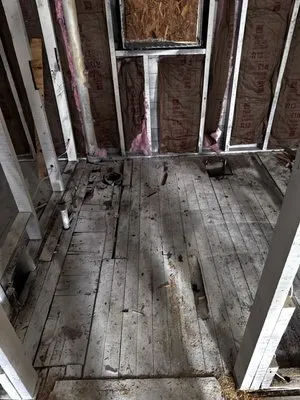
Summit Professional Home & Lawn Solutions
Summit Professional Home & Lawn Solutions began humbly in Akron with a hatchback and a small pressure washer. What truly sets us apart is our commitment to personalized service—we listen closely to wh...
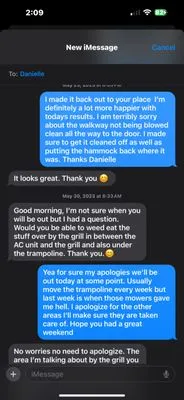
Jason's LawnService Care is a dedicated local provider in Canton, OH, focused on comprehensive lawn care to tackle common regional challenges. Many Canton properties struggle with dying shrubs and poo...
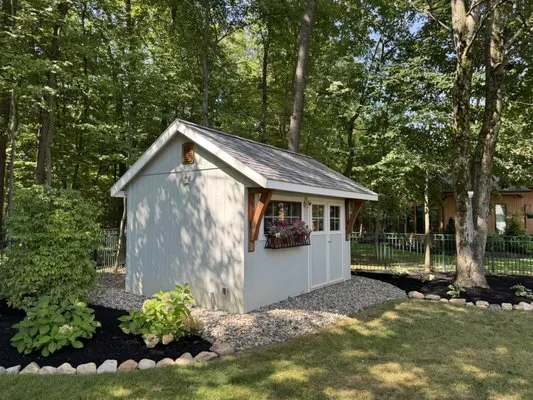
Grassroots Exterior Excellence
Grassroots Exterior Excellence is a locally owned and operated landscaping company serving Tallmadge, Akron, Cuyahoga Falls, Hudson, Stow, and surrounding Northeast Ohio communities. Founded by Jared,...
Timber Top Tree & Landscaping is a family-owned and operated business serving Uniontown and the surrounding communities. Founded in 1992, the company has been under my ownership since 1999, continuing...
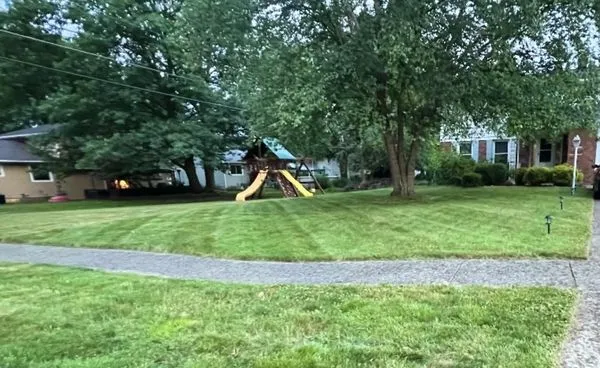
At Tonio's Magic Hands in Akron, I bring meticulous care to every job, treating each yard and home as if it were my own. My approach to lawn care focuses on precision, from creating sharp, eye-catchin...
Estimated Landscaping Service Costs in Hartville, OH
Q&A
What's the most efficient way to maintain Kentucky Bluegrass and Tall Fescue during dry periods?
Smart Wi-Fi controllers with soil moisture sensors optimize irrigation by tracking evapotranspiration rates and soil saturation levels. These systems apply 0.75-1 inch weekly during peak growth, aligning with Hartville's voluntary conservation guidelines. Deep, infrequent watering at dawn minimizes evaporation while encouraging root development below the clay layer, reducing overall municipal water consumption by 30-40%.
How quickly can you respond to storm damage for HOA compliance in Hartville?
Emergency cleanup dispatch from Hartville Kitchen and Hardware via OH-619 typically achieves 20-30 minute peak response times. Our electric maintenance fleet operates within Hartville's 7:00 AM to 9:00 PM noise ordinance window without combustion engine restrictions. We prioritize branch removal and debris clearing to meet immediate safety standards while scheduling detailed restoration within 48 hours.
Are concrete pavers or natural sandstone better for long-term durability?
Concrete pavers offer consistent permeability ratings of 0.5-1.0 inches/hour with 50-year lifespans, while natural sandstone provides superior drainage but requires periodic sealing. Both materials meet Hartville's Low Fire Wise Rating requirements by creating defensible space without combustible organic buildup. Proper base preparation with 6-8 inches of compacted aggregate prevents frost heave damage in Zone 6a freeze-thaw cycles.
What permits and licenses are needed for grading my 0.35-acre Hartville property?
The Hartville Village Planning & Zoning Department requires grading permits for soil movement exceeding 50 cubic yards on residential lots. Contractors must hold Ohio Department of Agriculture Nursery/Landscape Contractor Licenses for erosion control installation and final grade certification. Professional licensing ensures compliance with state-mandated runoff calculations and protects against liability from improper slope stabilization on clay-dominant soils.
How do I fix standing water issues in my Hartville yard?
Mahoning-Ellsworth Silt Loam's high clay content creates poor infiltration rates of 0.1-0.3 inches per hour. Installing French drains with gravel trenches and replacing solid surfaces with permeable concrete pavers increases percolation capacity. The Hartville Village Planning & Zoning Department requires runoff management plans for projects exceeding 500 square feet, making engineered solutions necessary for compliance.
What invasive species should I watch for in Hartville landscapes?
Japanese knotweed and garlic mustard present significant threats to Mahoning-Ellsworth soil ecosystems. Manual removal before seed set in early spring prevents chemical dependency. Hartville's fertilizer ordinance prohibits phosphorus application without soil test verification, making targeted herbicide use during designated windows essential. Regular monitoring and mycorrhizae inoculation strengthen native plant resilience against invasion.
Why does my Downtown Hartville lawn struggle with compaction and poor drainage?
Hartville's Mahoning-Ellsworth Silt Loam soil, with its pH of 6.2-6.8, naturally develops high clay content that reduces permeability over time. On lots with 1975-era construction, 51 years of settling and minimal organic input have likely degraded soil structure. Core aeration combined with compost amendments at 0.5-1 inch depth can restore pore space and microbial activity, addressing the poor infiltration common in this neighborhood.
Can I reduce maintenance while supporting local pollinators?
Transitioning high-maintenance turf to Purple Coneflower, Butterfly Milkweed, Wild Bergamot, and Little Bluestem creates a self-sustaining ecosystem requiring minimal inputs. These natives thrive in Zone 6a conditions with seasonal pruning instead of weekly mowing. This approach anticipates future gas-blower restrictions under noise ordinances while providing year-round habitat, aligning with 2026 biodiversity standards.
