Top Landscaping Services in Hartford, OH, 44404 | Compare & Call
There are 188 landscaping companies server in Hartford OH
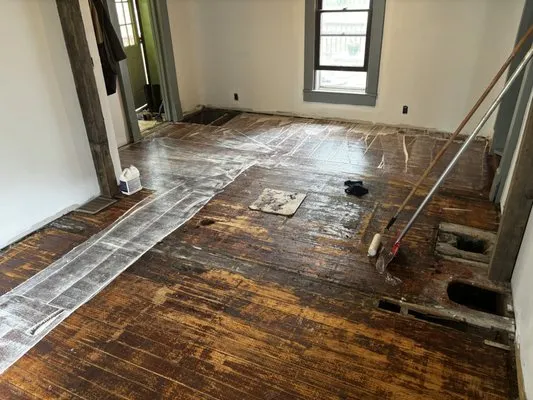
Downstream Restoration is a Mount Sterling, OH-based company specializing in comprehensive landscaping, flooring, and roofing services with a unique environmental focus. Our purpose is to restore and ...
In And Out Cleaning And Landscaping is your trusted, full-service partner for maintaining a beautiful and healthy home in Columbus, OH. We understand the unique challenges Central Ohio properties face...
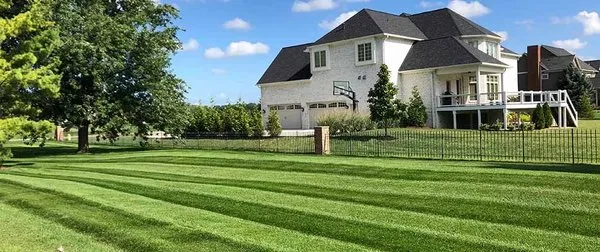
For nearly two decades, AK Enterprise has been a trusted name in New Albany for both commercial and residential lawn care. Founded as a family-owned business, our mission has always been rooted in sup...
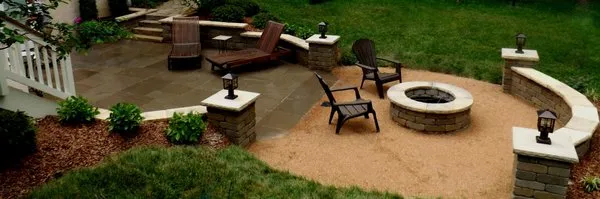
Property Worx is your dedicated property solutions partner in Delaware, OH, established in 2017 with a foundation of over 50 years of collective experience. Born from the merger of two respected local...

Fenners Exterior Maintenance is a locally owned and operated business in Groveport, Ohio, founded by Brayden Fenner. With over four years of hands-on experience in power washing and basic landscaping,...

Mike Couch Landscaping is a locally owned and operated company in Lancaster, Ohio, founded by Mike and his wife. They bring a personal, dedicated approach to every project, treating each property with...
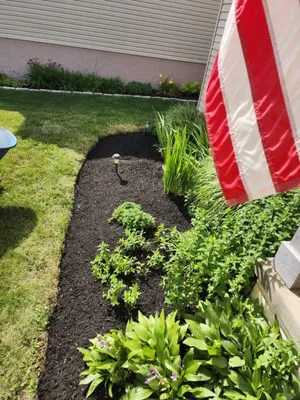
Mr Rodriguez Lawn Care Services is a Columbus-based landscaping company specializing in comprehensive outdoor solutions for residential properties. With expertise in landscape design, construction, an...

Big Dawg Lawn Care is a Columbus-based company with deep local roots, founded by an entrepreneur who started mowing neighborhood lawns as a teenager. What began as a high-school side hustle has grown ...

Monarch Legacy Project is a mission-driven landscaping service in Grove City, OH, founded by Channing Brown in 2022. We specialize in ecological restoration through a process we call ReNativization, f...
Grovescapes Landscaping is your trusted local partner for transforming outdoor spaces in Plain City and the surrounding communities. We offer comprehensive solutions, from initial design and earthmovi...
Estimated Landscaping Service Costs in Hartford, OH
Q&A
How do I control invasive species without violating fertilizer regulations?
Targeted mechanical removal of invasive species like Japanese knotweed or garlic mustard precedes any chemical treatment. For persistent infestations in Hartford, selective herbicide applications occur during active growth phases while observing Ohio's standardized phosphorus application limits. Soil testing every 2-3 years prevents over-application, with organic alternatives like corn gluten meal for pre-emergent control. This integrated approach maintains soil pH 6.2-6.5 without disrupting beneficial mycorrhizae networks in established landscapes.
Why does my Hartford Center yard have such compacted soil that won't drain properly?
Hartford's residential lots average 88 years of development since 1938, creating mature but degraded soil profiles. The slightly acidic silt loam common here has experienced decades of compaction from foot traffic and equipment, reducing permeability below 0.5 inches per hour. Core aeration with 3-4 inch depth penetration and organic amendments like composted leaf mold are necessary to restore soil structure. This addresses the seasonal saturated clay layers that develop in spring, improving drainage and root zone oxygen levels for healthy turf establishment.
Are concrete pavers better than wood for Hartford patio installations?
Concrete pavers offer superior longevity in Hartford's climate, with 25-30 year lifespans versus wood's 10-15 years with maintenance. Their non-combustible nature supports Low Fire Wise ratings by creating defensible space around structures. Crushed limestone bases provide stable frost-resistant foundations for Zone 6a freeze-thaw cycles. Properly installed paver systems with edge restraints maintain permeability while resisting the heaving common in Hartford's clay-influenced subsoils, reducing long-term maintenance costs 40-60% compared to wood alternatives.
Should I replace some lawn with native plants to reduce maintenance costs?
Transitioning high-maintenance turf to Eastern Redbud, Butterfly Milkweed, New England Aster, and Little Bluestem reduces mowing frequency from weekly to seasonal. These USDA Zone 6a natives require 75% less water than Kentucky Bluegrass once established, with deeper root systems stabilizing Hartford's silt loam. This approach anticipates evolving noise ordinances by eliminating weekly gas-blower use for leaf management. Native plantings also support 2026 biodiversity standards through pollinator habitats and reduced chemical inputs.
What's the best solution for standing water in my Hartford yard after heavy rains?
Seasonal saturated clay layers in Hartford's silt loam require integrated drainage solutions. Permeable concrete pavers with 1/8-inch joints and crushed limestone bases provide 80-90% infiltration rates, meeting Licking County Planning Commission runoff standards. Subsurface French drains with clean gravel and geotextile fabric redirect water from foundation areas. These systems work with the natural 1-2% slope of most Hartford Center lots to manage 10-year storm events without creating downstream erosion issues.
What permits and licenses are needed for regrading my half-acre Hartford property?
Grading projects on 0.50 acre lots require Licking County Planning Commission approval for erosion control and drainage plans. Contractors must hold Ohio Department of Agriculture licensing for landscape architecture when modifying more than 500 square feet of terrain. These regulations ensure proper slope stabilization below 3:1 ratios and sedimentation management during construction. Professional licensing verifies competency in soil mechanics relevant to Hartford's silt loam characteristics, preventing downstream flooding and maintaining property line integrity during significant earth movement operations.
Can I maintain my Kentucky Bluegrass and Tall Fescue blend without violating water restrictions?
Wi-Fi ET-based controllers provide precise irrigation management within Hartford's voluntary conservation framework. These systems calculate evapotranspiration rates using local weather data, applying 0.75-1.5 inches weekly during May-September peak demand. Programming separate zones for turf versus planting beds reduces water use 30-40% compared to traditional timers. This approach maintains soil moisture at 50-75% field capacity while staying well below municipal water allocation thresholds for 0.50 acre properties.
How quickly can you respond to an emergency tree cleanup after a storm in Hartford?
Emergency storm response from our Hartford Township Park dispatch averages 45-60 minutes during peak events. Crews route via OH-7 to access Hartford Center neighborhoods efficiently, with electric equipment fleets maintaining compliance with standard decibel limits during extended operations. This timeframe accommodates safety protocols for downed limbs and structural assessments while meeting most HOA compliance windows. Response prioritization follows municipal guidelines for public right-of-way clearance before residential property work.
