Top Landscaping Services in Harrison, OH, 45405 | Compare & Call
There are 157 landscaping companies server in Harrison OH

Next Level Decks LLC is a trusted, fully insured outdoor construction company serving Cincinnati, OH, dedicated to transforming your outdoor living space. We specialize in custom deck design and const...
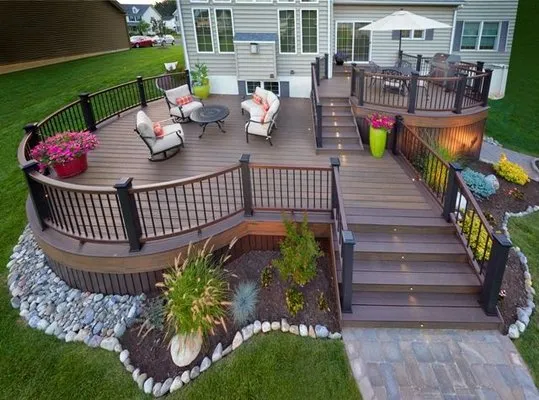
Harris Outdoor Services is a Cincinnati-based company specializing in comprehensive outdoor solutions, including landscaping, deck construction, and masonry/concrete work. We help Cincinnati homeowner...

Pioneer Tree Removal & Landscaping is a family-owned business dedicated to serving Harrison, OH. We provide dependable tree services and landscape maintenance, helping homeowners maintain safe, beauti...
Resort Landscaping is a Cincinnati-based landscaping company dedicated to creating and maintaining beautiful, healthy outdoor spaces that enhance your home's value and curb appeal. We understand the s...
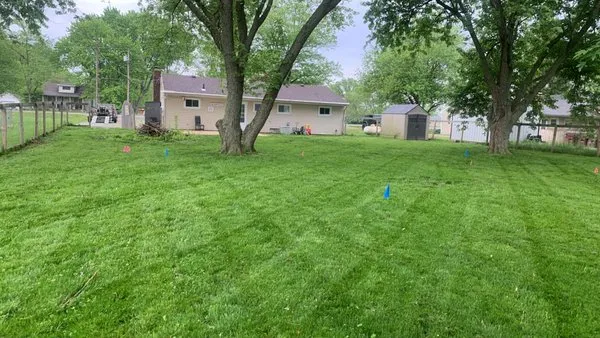
Reed's Lawn & Landscaping is a trusted, locally-owned provider of comprehensive lawn care services for homeowners and businesses in Middletown, OH. We understand the specific challenges our climate an...
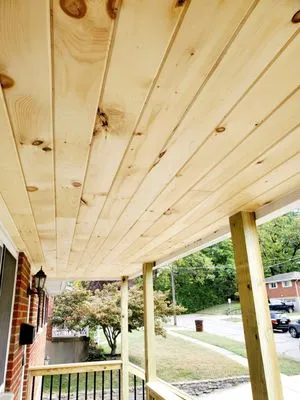
L&K Outdoor Creations is a Carlisle-based contractor dedicated to transforming your outdoor spaces with integrity and craftsmanship. We specialize in building and caring for the structures that define...
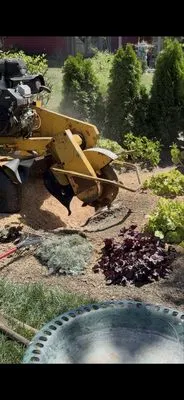
F & S Stump Removal and Landscaping is a veteran-owned and locally operated business serving Springboro, OH, with over 25 years of combined expertise in tree services and landscaping. Licensed and ins...
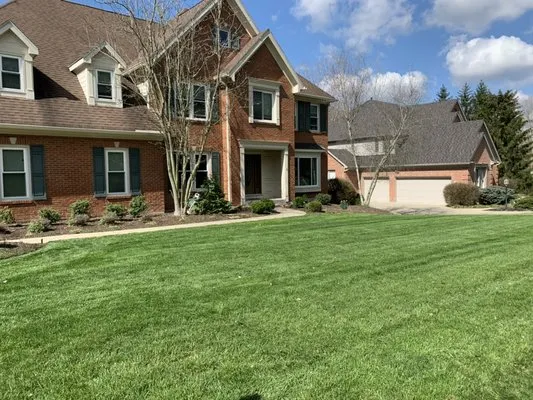
RBP Enterprises is a locally owned and operated lawn care service in Fairfield, OH, built on a foundation of genuine expertise. Founder Robert brings over 14 years of hands-on experience, having grown...
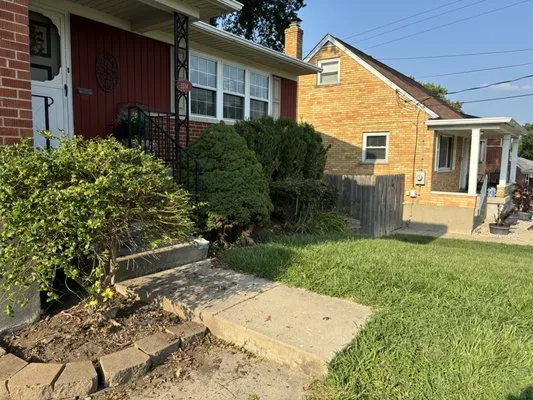
MJ's Service is a locally owned and operated landscaping business in Cheviot, OH, built from the ground up. Founder Maverick started mowing neighbors' lawns at age 12, and that hands-on experience evo...
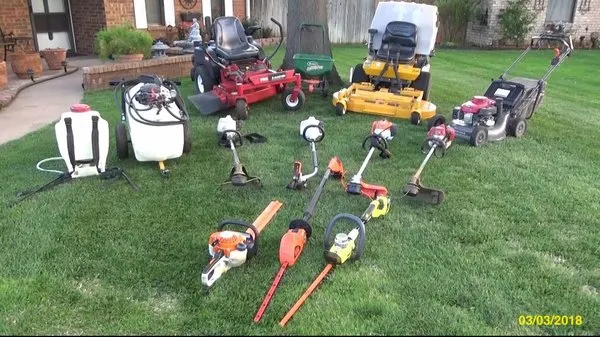
Four Walls Properties, founded in 2016 by owner Tom H., is a Cincinnati-based real estate and property management company serving Wake, Johnston, Nash, and Franklin counties. Born from Tom's desire to...
Estimated Landscaping Service Costs in Harrison, OH
Questions and Answers
Should I install smart irrigation in Harrison given our current water restrictions?
Smart Wi-Fi ET-based weather sensing controllers optimize water use regardless of restriction status. These systems calculate evapotranspiration rates specific to Harrison's USDA Zone 6b climate, applying precise amounts to Kentucky Bluegrass and Tall Fescue blends. Municipal water limits are respected through real-time weather data integration, typically reducing consumption by 20-30% while maintaining turf health through targeted deep watering cycles.
What invasive species should Harrison homeowners watch for, and how do we treat them safely?
Japanese knotweed and garlic mustard present significant threats in Harrison's urban-wildland interface. Manual removal before seed set proves most effective, avoiding chemical treatments that could violate Ohio's nitrogen application guidelines. For established invasions, targeted glyphosate applications in fall avoid spring phosphorus restrictions. Always conduct soil testing before any fertilizer application to comply with state guidance on established lawn treatments.
What's the best solution for moderate seasonal ponding in my Harrison yard?
Seasonal ponding in Harrison's low-lying riparian zones indicates compromised soil permeability. For silt loam soils, implement French drains with clean limestone aggregate to redirect subsurface water. Replace impervious surfaces with permeable concrete pavers that meet Harrison Building & Zoning Department runoff standards. These systems work with the soil's natural 6.5-7.0 pH range to improve drainage without chemical amendments.
What permits and licenses are required for regrading my quarter-acre Harrison property?
Grading work on 0.25-acre lots requires Harrison Building & Zoning Department permits for soil disturbance exceeding 100 square feet. Ohio Landscape Industry Association (Landcare) licensing ensures contractors understand erosion control measures and proper slope calculations. Unlicensed grading can violate municipal codes regarding stormwater management and create liability issues with adjacent properties in the Harrison Historic District's established neighborhood context.
How quickly can you respond to an emergency tree cleanup after a storm in Harrison?
Our storm response team maintains a 20-30 minute peak arrival time for emergency situations. From our dispatch at the Harrison Community Center, we access I-74 for rapid deployment throughout the Harrison Historic District. This routing allows immediate assessment of downed limbs, hazardous leaning trees, and blocked driveways while coordinating with local utilities for safe clearance operations.
How can I reduce lawn maintenance while preparing for potential noise ordinance changes?
Transition high-maintenance turf areas to native plantings like Purple Coneflower, Little Bluestem, Butterfly Milkweed, and Wild Bergamot. These species require minimal irrigation, no regular mowing, and support local pollinator populations. This approach reduces dependence on gas-powered equipment ahead of potential electric-only mandates, while creating self-sustaining ecosystems that thrive in Harrison's Zone 6b conditions with seasonal rainfall alone.
Are concrete pavers or wood decking better for longevity in Harrison's climate?
Concrete pavers with local limestone aggregate outperform wood in Harrison's Zone 6b environment. Unlike wood that requires annual sealing and replacement every 10-15 years, properly installed pavers maintain integrity for 25+ years with minimal maintenance. Their non-combustible nature supports Harrison's low Fire Wise rating requirements, creating defensible space without contributing to fire ladder fuels in urban-wildland interface areas.
Why does my 1990s-era Harrison Historic District lawn struggle with compaction and poor drainage?
Harrison Historic District properties built around 1991 have 35-year-old soil systems. Silt loam soil (pH 6.5-7.0) common in these neighborhoods naturally compacts over decades of foot traffic and maintenance equipment use. This compaction reduces permeability, creating seasonal ponding issues. Core aeration every 2-3 years with organic amendments like composted leaf mold improves soil structure and water infiltration without disrupting established turf.
