Top Landscaping Services in Harlan, OH, 45107 | Compare & Call
There are 201 landscaping companies server in Harlan OH
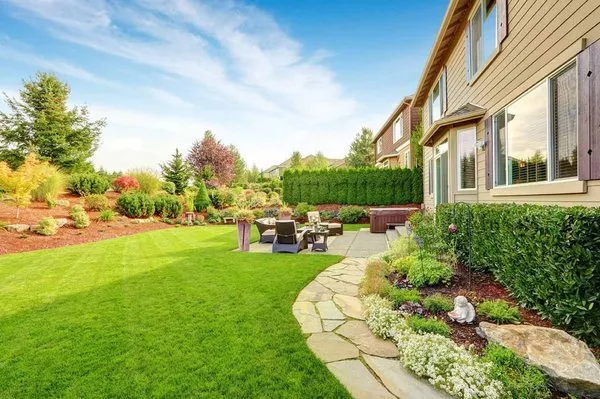
TJ’s Landscaping and Lawncare
TJ's Landscaping and Lawncare is a family-owned, locally operated business serving Goshen, OH, with years of experience in transforming outdoor spaces. We provide a comprehensive range of services, fr...
Steve Jordan's Mowing Service is a trusted, locally-owned landscaping provider serving Fayetteville, OH, and the surrounding communities. We specialize in tackling the common lawn challenges faced by ...
Rick's Lawn Care & Landscaping is a trusted local provider in Blanchester, OH, specializing in comprehensive lawn care services to address common landscaping challenges faced by homeowners in the area...
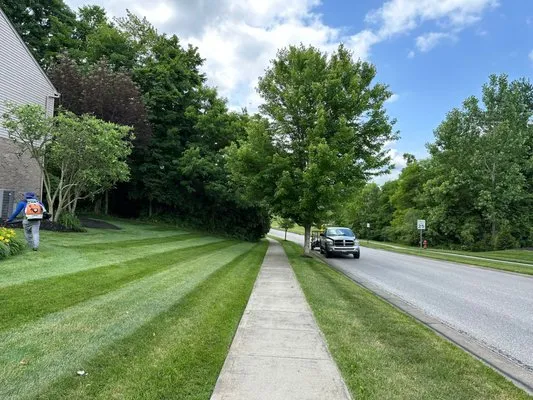
Zack Landscaping is a Milford-based company dedicated to transforming local properties with expert care. We specialize in diagnosing and resolving the common local issues of bare lawn patches and pers...
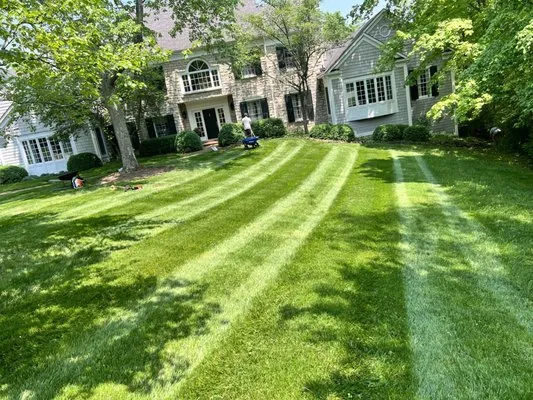
Earthscapes in Loveland, OH is a locally owned and operated landscaping company that combines artistic vision with scientific expertise. Founded by Tyler, who brings 15 years of hands-on experience in...
J R Morris Landscaping is a trusted, locally-owned landscaping company serving homeowners in Milford, OH. We understand the common challenges that come with our area's landscape, such as unsightly tre...
Mike Ward Landscaping is a trusted local landscaping company serving homeowners in Loveland, OH. We specialize in addressing common local landscaping challenges, such as landscape edging damage and so...

Community Green Landscape Group
Community Green Landscape Group is a Loveland-based, full-service provider dedicated to creating and maintaining healthy, beautiful outdoor spaces for our neighbors. We understand the unique challenge...
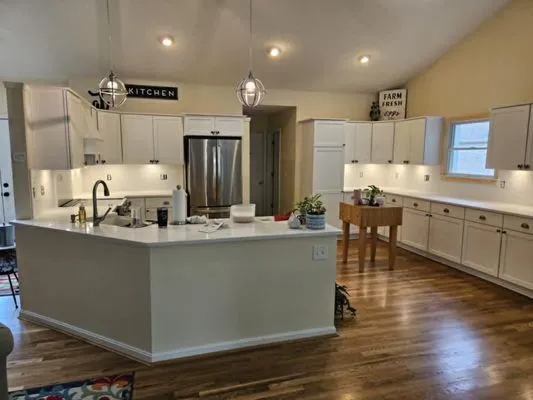
Earls Property Care is a family-owned and operated business based in Bethel, OH, serving the greater Cincinnati area. We specialize in comprehensive home improvement services, including bathroom and k...

Lang's Landscaping & Tree Service is a family-owned business in Sardinia, OH, dedicated to transforming outdoor spaces with care and precision. We specialize in comprehensive landscaping services, inc...
Estimated Landscaping Service Costs in Harlan, OH
Questions and Answers
Can native plants reduce my maintenance costs and noise?
Transitioning 30-50% of turf to Purple Coneflower, Butterfly Milkweed, Little Bluestem and Ohio Goldenrod eliminates weekly mowing while providing habitat. Electric maintenance equipment operates within 8 AM-8 PM noise ordinance windows without gas blower restrictions. Established natives require no irrigation after 18 months, reducing water use 60-70%. This approach anticipates 2026 biodiversity standards while creating seasonal interest.
What solves seasonal ponding in my yard's low areas?
Slightly acidic silt loam's moderate permeability causes water retention in depressions. Permeable clay brick pavers installed with 4-inch gravel bases and geotextile fabric create infiltration zones that meet Harlan Planning & Zoning runoff standards. French drains connecting to dry wells redirect subsurface flow, while grading adjustments maintain 2% slope away from foundations. These systems handle 1-inch/hour rainfall events common in spring.
How quickly can you respond to storm damage for HOA compliance?
Emergency cleanup crews dispatch from Harlan County Courthouse Square via US-422, maintaining 25-35 minute peak response times. Electric equipment meets noise ordinance restrictions for early morning starts. Priority routing addresses fallen limbs blocking driveways first, followed by debris removal from turf areas. Documentation for HOA compliance includes timestamped arrival photos and storm severity assessment.
Are permeable pavers better than wood for patio longevity?
Permeable clay brick pavers maintain structural integrity for 25+ years versus wood's 8-12 year lifespan in Zone 6a freeze-thaw cycles. Their 10-15% void space manages runoff while creating defensible space important for low fire-wise ratings. Interlocking design prevents heaving, and modular replacement addresses localized settling. Thermal mass moderates surface temperatures 10-15°F compared to non-permeable materials.
What permits and licenses are needed for grading my quarter-acre lot?
Harlan Planning & Zoning requires erosion control permits for any grading exceeding 50 cubic yards on 0.25-acre properties. Ohio Landscape Industry Association licensing ensures contractors understand silt loam's compaction characteristics and proper slope stabilization. Licensed professionals carry bonding for subsurface utility protection and implement sediment barriers meeting municipal runoff standards. Unlicensed grading risks fines up to $5,000 for improper drainage alterations.
What invasive species threaten my landscape and how are they treated?
Japanese knotweed and garlic mustard present primary risks in Harlan's urban-suburban interface. Manual removal before seed set combined with targeted glyphosate applications during fall translocation avoids phosphorus-free fertilizer ordinance conflicts. Soil testing determines if spot treatments require phosphorus supplementation for recovery planting. Monitoring programs track regrowth through seasonal cycles to prevent reestablishment.
Why does my soil seem compacted and lifeless compared to newer neighborhoods?
Harlan Historic District properties average 42 years of soil development since 1984 construction. Slightly acidic silt loam naturally compacts over decades, reducing permeability and oxygen availability to roots. Core aeration every 2-3 years introduces air channels while incorporating organic compost addresses pH stability. Mature landscapes benefit from mycorrhizal inoculants to rebuild soil biology disrupted during original construction.
Will smart irrigation keep my lawn healthy during dry spells?
Wi-Fi ET-based systems calculate evapotranspiration rates specific to Harlan's Zone 6a climate, applying water only when soil moisture sensors indicate need. This preserves Kentucky Bluegrass/Tall Fescue mixes while reducing consumption 30-40% versus traditional schedules. Stage 0 restrictions allow flexibility, but ET programming prevents runoff on silt loam's moderate permeability. Weekly cycle-soak programming matches soil absorption rates.
