Top Landscaping Services in Groesbeck, OH, 45239 | Compare & Call
There are 188 landscaping companies server in Groesbeck OH
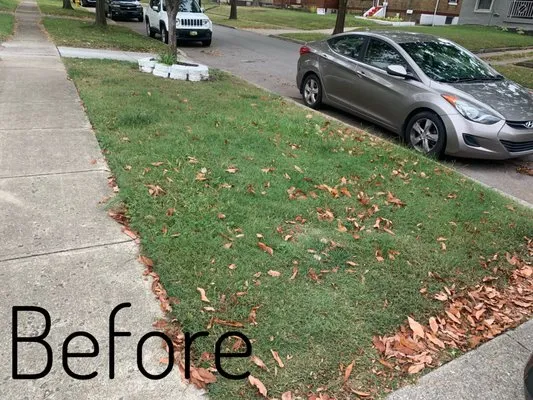
Edge To Edge Lawn Care is a Cincinnati-based lawn service company owned and operated by Jason Woods. With several years of experience in the lawn care and landscape industry, Jason approaches his work...
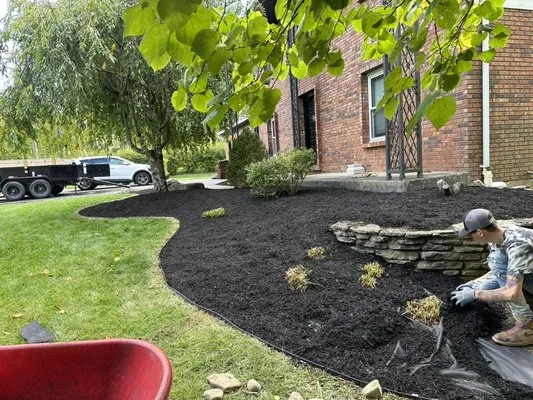
Hayes Solutions is a family-owned and operated landscaping and home maintenance company proudly serving the Greater Cincinnati area. Founded in 2021, what began as a dedicated side project has grown i...
Thesing Landscaping and Nursery
For over 25 years, Thesing Landscaping and Nursery has been a trusted partner for Cincinnati homeowners, enhancing outdoor spaces with expert care and deep horticultural knowledge. Owner Thomas Thesin...
Renew Landscaping is a Cincinnati-based landscaping company dedicated to helping local homeowners maintain beautiful, functional outdoor spaces. We specialize in addressing common local challenges lik...
Kayser Family Landscaping in Cincinnati is an owner-operated team dedicated to creating and maintaining your ideal outdoor space. We believe a happy, healthy, and beautiful lawn should be a source of ...
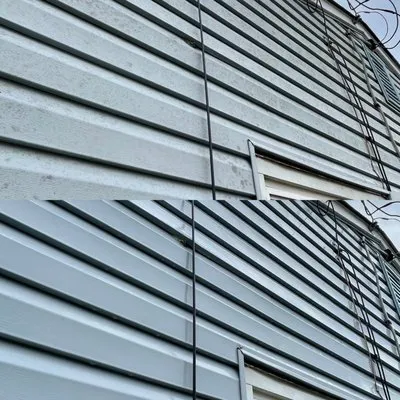
DallioPro is a licensed landscaping and pressure washing company serving Harrison, OH, and the greater Cincinnati area. We provide reliable solutions for both residential and commercial properties, fo...
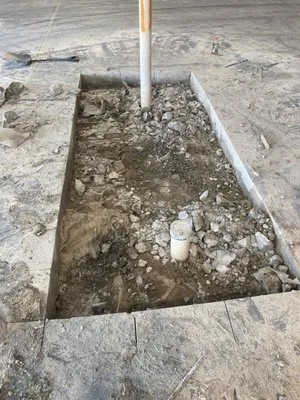
Haven Home Services is a trusted general labor crew serving Cleves, OH, and surrounding areas. We specialize in a wide range of home improvement and maintenance services, including flooring installati...
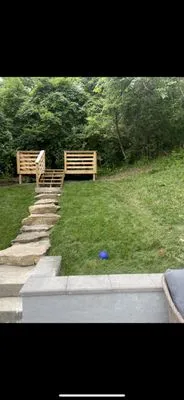
Freeman's Landscaping & Gardening is a family-owned business in Cheviot, OH, proudly owned and operated by Elijah Freeman. Rooted in the community, we take pride in helping our neighbors with all thei...
Horton's Pressure Washing is a licensed and bonded exterior cleaning service based in North College Hill, OH, specializing in residential properties. With OSHA 10 certification and over 30 years of in...
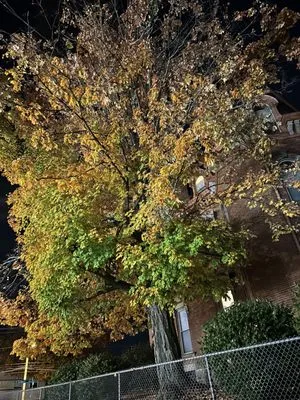
Bone Brothers Landscaping is a Cincinnati-based family business providing comprehensive outdoor solutions for Ohio homes and businesses. We specialize in landscaping, snow removal, and tree care, help...
Estimated Landscaping Service Costs in Groesbeck, OH
Question Answers
We're adding a patio. Are concrete pavers or natural sandstone better for longevity and safety?
Both concrete pavers and natural sandstone offer excellent longevity when installed with a proper base. Sandstone provides a unique, natural aesthetic but requires periodic sealing. Concrete pavers offer more consistent sizing and color. For fire safety, which is a consideration even in Groesbeck's low Fire Wise rating zone, both non-combustible materials are superior to wood, creating a defensible space that doesn't contribute fuel to potential fires.
We have a major tree limb down after a storm and need emergency cleanup to meet HOA rules. How quickly can a crew arrive?
For emergency response, a crew can typically dispatch from our staging area near Clippard Park. Using I-275, the travel time to Groesbeck-Colerain Township is 25-35 minutes during peak hours. We operate within the local noise ordinance (7:00 AM - 9:00 PM), ensuring all equipment used for debris removal is compliant for immediate, effective site clearance.
Our yard holds water after heavy rain, creating muddy patches. What's the underlying cause and fix?
The issue is the clay-heavy subsoil beneath your silt loam, which creates a dense, impermeable layer causing moderate runoff. Solutions include installing a French drain system to intercept subsurface water and regrading to direct surface flow. For new hardscape, using permeable concrete pavers instead of solid concrete can significantly improve infiltration, often helping projects meet Colerain Township Zoning Department's stormwater management standards.
Our yard in Groesbeck-Colerain Township feels compacted and thin. Is this typical for a house built around 1972?
Yes, it's a common soil legacy. With 54 years of development pressure since 1972, your silt loam soil has likely lost its original structure. Decades of foot traffic and machinery have degraded the organic matter, leading to poor percolation and subsoil compaction. Core aeration and incorporating 1-2 inches of composted organic matter are essential to rebuild soil biology and restore permeability for healthy root zones.
We want to regrade our 0.32-acre lot to fix drainage. What permits and contractor credentials are required?
Regrading that alters water flow typically requires a permit from the Colerain Township Zoning Department. More critically, you must hire a contractor licensed by the Ohio Department of Agriculture as a Landscape Nursery Stock Dealer for this work, as it involves significant soil moving and potential plant installation. This licensing ensures they understand proper horticultural practices and legal standards for soil stability and erosion control on a property of your size.
We're seeing invasive vines like wintercreeper. How do we control them without harming our lawn?
Invasive species like wintercreeper require precise, targeted treatment. Manual removal of roots is best for small patches. For larger infestations, a targeted, systemic herbicide applied in late summer or fall is most effective. Crucially, any treatment must follow Ohio's fertilizer ordinance, which prohibits phosphorus application on established lawns without a soil test. Always verify product labels to ensure compliance with state guidelines.
Is it wasteful to run sprinklers in Groesbeck, given there are no mandatory water restrictions?
Voluntary conservation is critical for long-term resource management. A smart, Wi-Fi ET-based irrigation system is the solution. It uses local weather data to apply water only when your Kentucky Bluegrass and Tall Fescue blend actually needs it, preventing overwatering. This technology optimizes every gallon, maintaining turf health while aligning with municipal water stewardship goals and preempting future restrictions.
We want to reduce weekly mowing and gas-powered maintenance. What are our options?
Transitioning sections of high-input turf to a native plant community is the most effective long-term strategy. Species like Purple Coneflower, Little Bluestem, and Butterfly Milkweed are adapted to Zone 6b and require no fertilization, minimal watering, and only an annual cut-back. This reduces reliance on mowers and blowers, future-proofing your landscape against potential tightening of noise ordinances and fossil-fuel equipment bans.
