Top Landscaping Services in Granville, OH, 43023 | Compare & Call
There are 177 landscaping companies server in Granville OH
JP Measures
JP Measures is a Worthington-based handyman, junk removal, and landscaping company serving homeowners throughout central Ohio. We specialize in appliance installation, home repairs, property cleanouts...
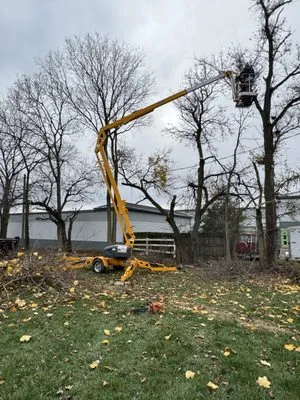
Fireline Lawns is a Columbus-based, family-owned business specializing in tree services, lawn care, and excavation. Founded on the hardworking values passed down through generations, owner Phil Willia...
New Life Painting in Columbus, OH is a locally owned and operated business with over 20 years of experience in painting, drywall, and lawn services. We specialize in both interior and exterior paintin...
Hanes Family Renovations is a Gahanna-based remodeling and renovation company with over 14 years of experience serving the local community. Specializing in flooring, painting, and landscaping, we brin...
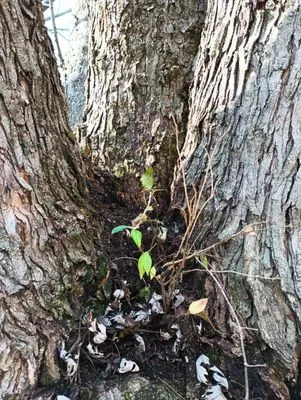
Founded on a foundation of over six years of hands-on experience, E & M Tree & Lawn Service is a family-owned business proudly serving Springfield, OH. We built our company from the ground up, transit...
Six Star Landscaping is a trusted lawn care provider serving Columbus, OH, specializing in comprehensive lawn maintenance to address common local landscaping challenges. Many Columbus homeowners face ...
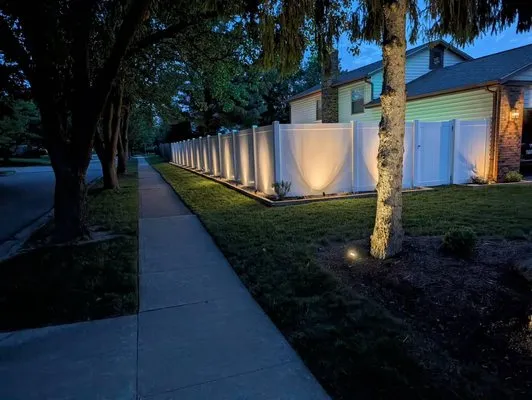
Teacher Driven Lawn Care is a locally owned and operated lawn service in Delaware, OH, founded by educators who bring a meticulous, detail-oriented approach to lawn care. We understand that every yard...

Front Line Tree Services
Front Line Tree Services is your trusted local partner for tree care and landscape maintenance in Westerville, OH. We are a locally owned and operated business dedicated to protecting and enhancing yo...
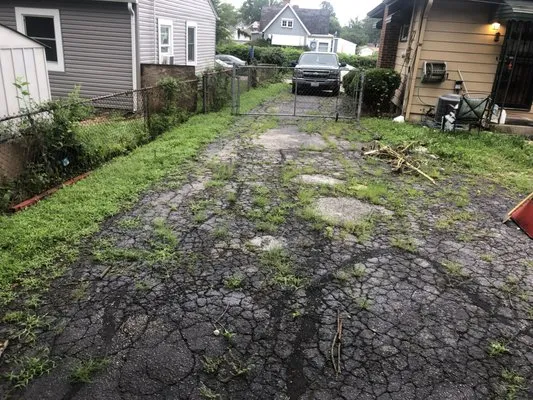
Chuck Warren, owner of 23 Lawn Care in Columbus, Ohio, built this business on a foundation of hard work and a genuine passion for outdoor care. For Chuck, maintaining a lawn is more than a job—it's ab...
Robles Landscape & Property services
Robles Landscape & Property Services in Worthington is built on a foundation of integrity and a commitment to the future. At 22, owner [Owner's Name] is focused on creating a lasting, trustworthy busi...
Estimated Landscaping Service Costs in Granville, OH
Frequently Asked Questions
Why does my lawn feel so compacted and thin compared to newer neighborhoods?
Homes built in Granville's College Hill area around 1987 sit on 39-year-old landscapes where original topsoil has degraded. The prevalent silt loam soil, while fertile, becomes dense and limits permeability over decades without intervention. This compaction starves grass roots of oxygen and water, explaining the thin turf. Core aeration paired with organic compost amendments is essential to restore soil structure and support healthy root systems.
Is it wasteful to water my Kentucky Bluegrass and Tall Fescue lawn in Granville?
Not with modern ET-based smart controllers. These Wi-Fi systems use local weather data to apply only the precise water lost to evapotranspiration, eliminating guesswork. Even under voluntary conservation, this technology maintains turf health while conserving municipal water. Properly programmed, it adjusts schedules automatically for rainfall, preventing overwatering that exacerbates our clay-heavy subsoil issues.
How quickly can you respond to an emergency like a storm-damaged tree blocking a driveway?
For urgent HOA compliance or safety issues, our electric response fleet can typically dispatch from the Denison University area. Using SR-16, we estimate a 20-30 minute arrival to College Hill during peak hours, adhering to the 7 AM to 9 PM noise ordinance with quieter equipment. This route optimization ensures rapid debris clearance while operating within community guidelines.
How should I deal with invasive weeds like creeping Charlie without harming my lawn?
For invasive species, targeted manual removal or careful spot-treatment with EPA-registered herbicides is effective. Timing is critical to avoid Ohio's phosphorus application guidance, which restricts fertilizer use when ground is frozen or saturated. Promoting thick, healthy turf through proper mowing height and soil aeration is the best cultural defense, reducing the opportunity for invasives to establish.
Should I choose local sandstone or wood for a new patio that will last?
For longevity and minimal maintenance, local sandstone or concrete pavers are superior to wood. They are inert, non-combustible, and provide permanent structure. In the context of Granville's low Fire Wise rating, using non-flammable materials like stone for patios and pathways contributes to defensible space principles by creating fuel breaks around your property, an increasingly considered aspect of landscape planning.
Do I need a permit to regrade my backyard or install a retaining wall?
Yes, significant grading or structural walls on a 0.35-acre lot typically require review by the Granville Village Planning Department to ensure compliance with drainage and zoning codes. Furthermore, any contractor installing nursery stock or performing this work must hold the proper licensing from the Ohio Department of Agriculture as a Landscape Nursery Stock Dealer. Always verify these credentials to ensure your project is legally sound and professionally executed.
My yard pools water after every rain. What's a long-term solution?
Moderate runoff is common here due to the dense, clay-heavy subsoil beneath our silt loam. Solving this requires improving permeability. We recommend installing dry creek beds or French drains paired with permeable paving options like local sandstone or open-grid concrete pavers. These systems manage stormwater on-site and often meet Granville Village Planning Department's runoff standards for new hardscape projects.
What are my options for a lower-maintenance, eco-friendly yard?
Transitioning high-input turf areas to a xeriscape featuring natives like Purple Coneflower, Wild Bergamot, Butterfly Milkweed, and Little Bluestem grass reduces water, fertilizer, and weekly mowing. This biodiversity-focused landscape also supports pollinators and stays ahead of regulatory trends, such as potential restrictions on gas-powered blowers governed by local noise ordinances. It builds a resilient, self-sustaining plant community.
